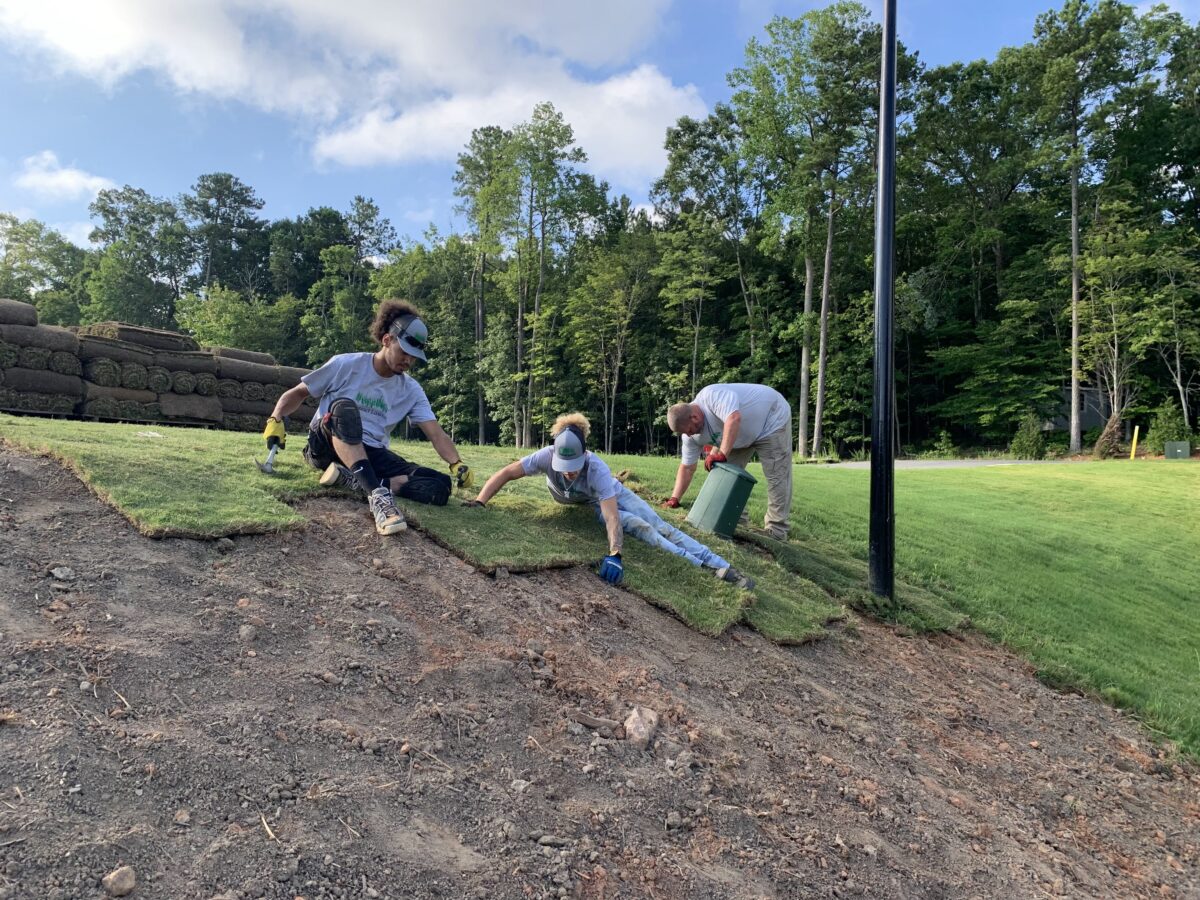
Florida lawns have a different rhythm than lawns in many other parts of the country. Heat arrives early, rain can come fast, and sandy soil can dry out quickly between storms. That is why timing matters when you are planning a sod installation project.
For many homeowners, late spring and early summer can be one of the most practical times to replace a tired, patchy, or weed-filled yard with fresh sod. The warmer temperatures help warm-season grasses begin rooting, while the start of Florida’s rainy season can help support the new lawn once it is installed. The key is not simply waiting for rain. The key is preparing the yard correctly, installing fresh sod quickly, and watering consistently during the first few weeks.
If you are thinking about upgrading your lawn, here is what to know about installing sod before Florida’s rainy season.
Why Timing Matters for New Sod in Florida
New sod is living grass with a shallow root layer. After it is cut from the farm, delivered, and installed, the grass needs to reconnect with the soil underneath your yard. That rooting process is what turns freshly laid sod into an established lawn.
In Florida, the best installation windows often depend on three things:
- Soil temperature
- Daily heat and sun exposure
- Water availability
Warm-season grasses do best when the weather is warm enough for active growth. If sod is installed when grass is actively growing, it has a better chance of rooting quickly and recovering from transplant stress. That is one reason spring and early summer can be attractive for sod installation in Florida.
At the same time, the first few weeks after installation are critical. New sod cannot be allowed to dry out. Even one bad dry-down period can stress the grass, create brown edges, or slow rooting. Rainy-season moisture can help, but it should not replace a smart watering plan.
Is Rain Good for New Sod?
Rain can be helpful for new sod, especially when it provides steady moisture without flooding the yard. Natural rainfall can support rooting, reduce watering pressure, and help fresh grass settle into the soil.
However, heavy Florida downpours can also create problems if the yard is not prepared correctly. Too much water at once can wash out loose soil, create low spots, or cause pieces of sod to shift before the roots take hold. Poor drainage can also leave the lawn soggy, which may lead to root stress or fungus issues.
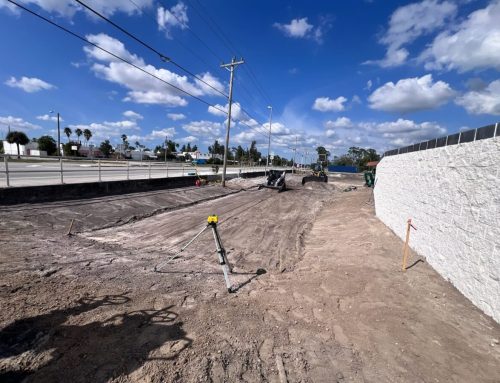
That is why professional preparation matters. Before sod is installed, the area should be cleared, graded, and prepared so water moves properly across the property. A smooth, well-prepared surface gives the sod better soil contact and helps reduce problems when summer storms arrive.
The Best Time to Install Sod Before Summer Rains
The best time to install sod is before the heaviest rainy-season pattern is fully established, but after the weather is warm enough for active grass growth. In many parts of Florida, that often means late spring into early summer.
This timing gives homeowners several advantages:
- Grass is entering an active growing period
- Soil temperatures are warm
- Rain can help support moisture needs
- The lawn has time to root before peak summer stress
- Homeowners can enjoy a better-looking yard during the summer months
Waiting too long can make the project harder. Once daily storms are frequent, scheduling, delivery, soil preparation, and installation can become more difficult. Wet soil can be harder to grade, and sudden storms can interrupt the work. Getting the project done before the most unpredictable weather arrives can make the process smoother.
How to Prepare Your Yard Before Sod Delivery
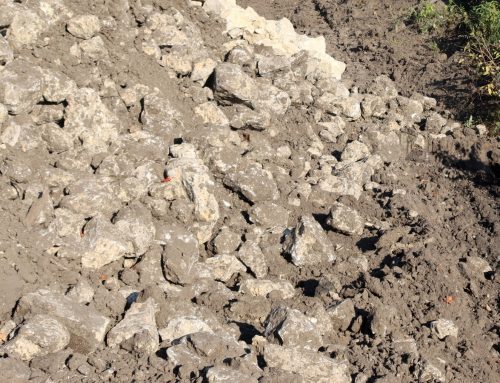
A successful lawn starts before the sod truck arrives. Good sod can struggle if it is installed over compacted soil, weeds, debris, or uneven ground. Before delivery, the old lawn or dead grass should be removed, and the soil should be prepared for strong root contact.
Important preparation steps include:
- Removing old grass, weeds, and debris
- Leveling low spots and smoothing uneven areas
- Checking drainage patterns
- Loosening compacted soil where needed
- Making sure irrigation is working
- Measuring the yard accurately so the right amount of sod is ordered
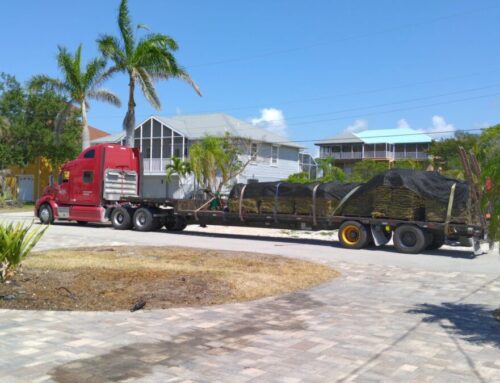
One of the most common mistakes homeowners make is ordering sod before the yard is ready. Fresh sod should be installed as soon as possible after delivery. Leaving pallets sitting in the heat can stress the grass before it ever touches the ground.
Working with a local sod delivery and installation company helps prevent that problem. The delivery and installation schedule can be coordinated so the sod is fresh, the yard is ready, and the grass is installed quickly.
Watering New Sod During Rainy Season
Even during the rainy season, new sod needs consistent watering. Rainfall can be uneven. One neighborhood may get a strong afternoon storm while another stays mostly dry. A yard may also receive rain on one side of the property while another area remains hot and exposed.
During the first stage after installation, the goal is to keep the sod and the soil beneath it moist enough for rooting. After the sod begins to take root, watering can usually be gradually reduced. The exact schedule depends on weather, grass type, soil, shade, and local watering rules.
A good rule of thumb is to check the lawn rather than guessing. If edges are drying, pieces are shrinking, or the grass looks gray-green or wilted, the sod may need more water. If the lawn is constantly soggy or water is pooling, the watering schedule may need to be adjusted.
Choosing the Right Sod for a Florida Lawn
Not every grass type performs the same way in every yard. Sun exposure, shade, soil, irrigation, foot traffic, and maintenance expectations all matter. Some Florida homeowners want a durable family lawn. Others want a softer, denser appearance. Some properties have more shade or drainage challenges.
Choosing the right sod before installation can save money and frustration later. A local sod company can help match the grass variety to the property conditions instead of treating every yard the same.
Before ordering sod, consider:
- How many hours of direct sun does the lawn receive
- Whether pets or children will use the area heavily
- How much irrigation is available
- Whether the yard has drainage problems
- How much maintenance you want to handle
- Whether you are replacing a full lawn or only sections
The right grass choice, installed at the right time, gives the lawn a stronger start.
Why Professional Sod Installation Helps
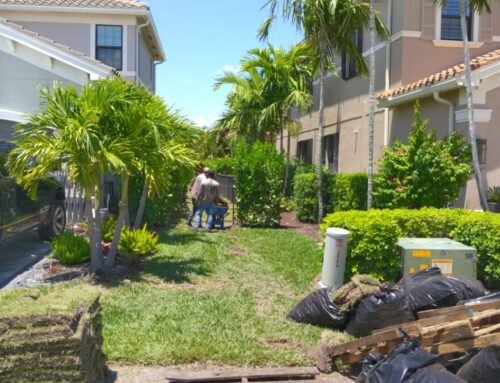
DIY sod installation may look simple, but the details matter. Pieces need tight seams, good soil contact, proper staggering, correct cutting around curves and beds, and quick watering after installation. If sod is installed unevenly or allowed to dry out, problems can show up quickly.
Professional sod installation helps with:
- Accurate measuring and ordering
- Fresh sod delivery coordination
- Soil preparation
- Fast installation
- Better seams and layout
- Reduced waste
- Guidance on watering after installation
For Florida homeowners, speed is especially important. Heat can stress sod fast. A crew that can prepare, deliver, and install efficiently gives the new lawn a better chance to root successfully.
Signs You Should Replace Your Lawn Before Summer
If your yard already has large dead patches, heavy weeds, bare soil, or uneven growth, waiting through another summer may not improve it. Florida heat and rain can make weak lawns worse, especially if weeds take advantage of thin turf.
It may be time to consider sod replacement if:
- The lawn has more weeds than healthy grass
- Bare patches keep spreading
- The grass does not recover after watering
- The yard is uneven or washed out
- You are preparing to sell or improve curb appeal
- You want a usable lawn for summer gatherings
Fresh sod can provide an immediate visual upgrade while also helping stabilize exposed soil before heavy rains.
Get Fresh Sod Delivered and Installed
If you are planning a Florida lawn upgrade, the weeks before peak rainy season can be a smart time to act. With the right preparation, fresh sod, and a consistent watering plan, your new lawn can root in and be ready for the months ahead.
Sunshine Sod provides fresh sod delivery and professional sod installation for Florida homeowners and businesses. Whether you are replacing a full yard, repairing a damaged lawn, or planning a curb appeal upgrade, our team can help you choose the right sod and schedule the installation at the right time.
Contact Sunshine Sod today to request sod delivery and installation for your Florida property.
FAQ
Can you install sod during Florida’s rainy season?
Yes, sod can be installed during rainy season, but the yard needs proper preparation and drainage. Heavy rain can cause problems if the soil is uneven or saturated, so timing and installation quality matter.
Do I still need to water new sod if it rains?
Usually, yes. Rain can help, but it may not provide even or consistent moisture across the entire lawn. New sod should be monitored closely during the first few weeks.
How soon should sod be installed after delivery?
Fresh sod should be installed as quickly as possible after delivery, especially in Florida’s heat. Coordinating delivery and installation helps reduce stress on the grass.
What is the best sod for Florida lawns?
The best sod depends on sun, shade, irrigation, soil, and how the lawn will be used. A local sod professional can recommend the right option for your property.
Related Sunshine Sod Resources
For more help planning the right sod project, use these Sunshine Sod resources: