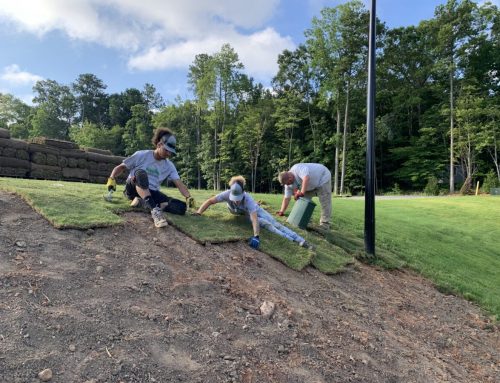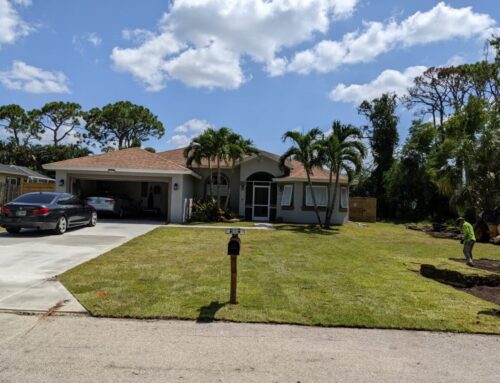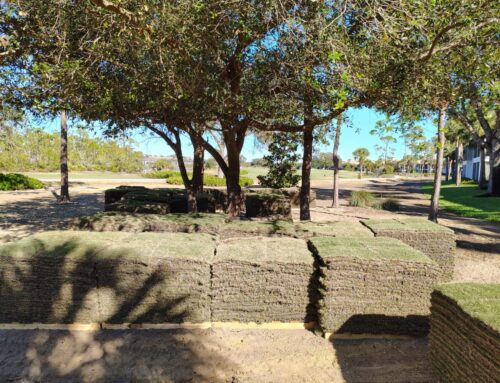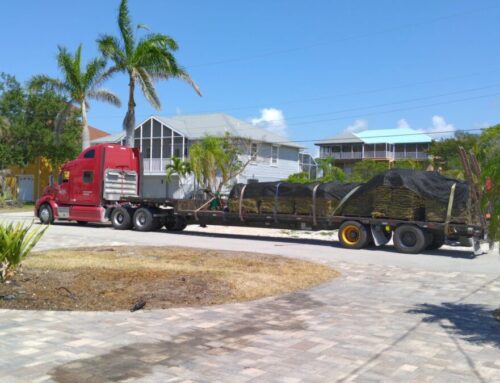

A new home in Southwest Florida should feel finished the moment you pull into the driveway. But if the lawn is thin, uneven, muddy after every storm, or already full of weeds, the property can look unfinished even when the house itself is brand new. That is why new construction sod installation deserves attention before the first pallet arrives.
Whether you are closing on a new build, managing a builder punch list, or replacing a basic construction lawn with a stronger turf option, a little preparation can make a major difference. Sod can transform bare soil quickly, but it still needs the right grade, soil contact, moisture, and grass selection to establish well in Florida heat and rain.
Below are the key items Southwest Florida homeowners should check before scheduling sod delivery or installation.
Why New Construction Lawns Need Extra Preparation
Many new homes are built on lots that have been driven over by equipment, staged with materials, and reshaped during construction. By the time the house is ready, the yard may contain compacted soil, leftover debris, low spots, construction sand, or rough grading that sheds water in the wrong direction.
UF/IFAS guidance on preparing a Florida lawn emphasizes that proper soil preparation is critical before planting turf. That includes removing construction debris, rocks, old roots, weeds, and other material that can prevent roots from making strong contact with the soil. In practical terms, the best sod job starts before the sod truck shows up.
For new construction properties in Fort Myers, Cape Coral, Lehigh Acres, Naples, Port Charlotte, and nearby communities, homeowners should pay special attention to drainage and irrigation. Southwest Florida can move from dry heat to heavy afternoon rain quickly, and a young lawn needs moisture without sitting in water.
Check the Final Grade Before Sod Goes Down
The grade is the shape and slope of the soil. It determines where water travels after rain or irrigation. If the grade is wrong, even high-quality sod can struggle.
Before sod installation, walk the property and look for:
- Low spots where water collects after rain
- Soil sloping toward the foundation, garage, lanai, or driveway
- Uneven areas that could scalp when mowed
- Ruts from construction vehicles
- Exposed roots, rocks, concrete pieces, or debris
- Areas where downspouts dump water directly onto bare soil
A slight slope away from the home is usually the goal. The lawn should move water away from structures while still allowing irrigation to soak evenly into the turf. If the yard has obvious drainage issues, fixing them before sod installation is much easier than lifting sod later.
Make Sure the Soil Is Ready for Root Contact
Fresh sod is a living product. Once it is cut from the farm, it needs to be installed quickly and pressed into direct contact with prepared soil. Gaps between sod and soil dry out roots, create uneven rooting, and can lead to weak patches.
A good new-construction sod prep plan typically includes:
Removing construction debris
Even small pieces of concrete, plastic, lumber, or rock can create dry pockets and uneven growth. Debris should be removed before final grading.
Loosening compacted areas
Compacted soil makes it harder for water, oxygen, and roots to move downward. If areas feel hard as a driveway, they may need loosening or professional prep before sod is installed.
Leveling and smoothing
Sod follows the surface underneath it. A lumpy base becomes a lumpy lawn. The soil should be reasonably smooth and firm, not fluffy, muddy, or deeply rutted.
Clearing weeds before installation
Sod can suppress many weeds by covering bare soil, but it is not a magic blanket. Existing weeds, roots, and aggressive growth should be addressed before installation.
Choose the Right Sod Type for the Property
The best grass for a new Southwest Florida home depends on sunlight, use, soil conditions, irrigation, budget, and HOA requirements. Common warm-season sod choices include St. Augustine, Bahia, Zoysia, and specialty grasses for certain coastal or high-salt conditions.
St. Augustine
St. Augustine is popular for Florida homes because it creates a lush, broad-blade lawn and handles many residential settings well. It does best when matched with proper watering, mowing height, and sunlight conditions.
Bahia
Bahia is often selected for larger areas or properties where lower input needs are a priority. It has a different look than St. Augustine and may be a practical choice for certain lots.
Zoysia
Zoysia can create a dense, attractive lawn when site conditions and maintenance expectations fit the grass. It is often considered for homeowners who want a refined curb-appeal look.
Seashore and specialty options
Some coastal or higher-salt environments may call for a more specialized grass. If the home is near the coast, canals, or an area with unique water conditions, it is worth asking before ordering standard sod.
Sunshine Sod can help match the grass variety to the property instead of treating every new construction yard the same.
Confirm Irrigation Before Delivery Day
New sod needs moisture right away. UF/IFAS lawn establishment guidance recommends light, frequent watering during the early establishment period so the soil stays moist without becoming overly wet. That means irrigation should be tested before installation day, not after the sod is already on the ground.
Before delivery, confirm:
- Sprinkler heads are installed and working
- Coverage reaches corners, strips, and edges
- Spray patterns are not blocked by new landscaping
- Zones run long enough to moisten the root zone
- The controller schedule is set for new sod establishment
- Local watering rules are followed
Hand watering can help small dry spots, but it is not a replacement for a working irrigation plan on a full lawn. If irrigation is not ready, it may be better to delay sod delivery until the lawn can be watered correctly.
Watch for Rainy Season Timing
Rain can help new sod, but too much water at the wrong time creates problems. During the Southwest Florida rainy season, sod installation should account for soft soil, washouts, and low areas that stay wet.
If heavy rain is expected, the installer may need to adjust timing or prep. Sod installed over saturated soil can shift, rut, or fail to root evenly. On the other hand, dry-season installations require careful watering because sun and wind can dry edges quickly.
The right timing is less about the calendar alone and more about site readiness. A well-prepared yard with working irrigation has a much better chance than a rushed installation over compacted or poorly graded soil.
Plan for Driveways, Sidewalks, and HOA Curb Appeal
For many new construction neighborhoods, the front yard is the first impression. Clean sod lines along the driveway, sidewalk, entry, mailbox, and landscape beds make the home look complete. That is especially important in HOA communities where patchy grass, bare soil, or weeds can trigger notices.
Before installation, decide where sod should stop and where mulch, rock, or planting beds should begin. Clean edges reduce trimming headaches and help the lawn look intentional from day one.
What Homeowners Should Do Before Scheduling Sod
Use this quick checklist before ordering sod for a new construction home:
- Walk the yard after rain and note standing water.
- Confirm the soil slopes away from the house.
- Remove construction debris and large rocks.
- Ask whether compacted areas need prep.
- Test every irrigation zone.
- Choose a sod type based on sunlight, use, and HOA needs.
- Measure the lawn area carefully to avoid under-ordering or over-ordering.
- Schedule delivery close to installation time.
- Keep pets, vehicles, and foot traffic off new sod while it establishes.
- Follow a proper watering plan after installation.
When to Call Sunshine Sod
If your new Southwest Florida home needs a finished lawn, Sunshine Sod can help with sod delivery, sod installation, and practical guidance on grass selection. A professional look comes from more than rolling out green turf. It starts with understanding the property, preparing the base, and installing fresh sod with the right plan for Florida conditions.
If your builder lawn is patchy, your closing date is coming up, or you want the yard to match the curb appeal of the new home, contact Sunshine Sod to discuss the best sod option for your property.