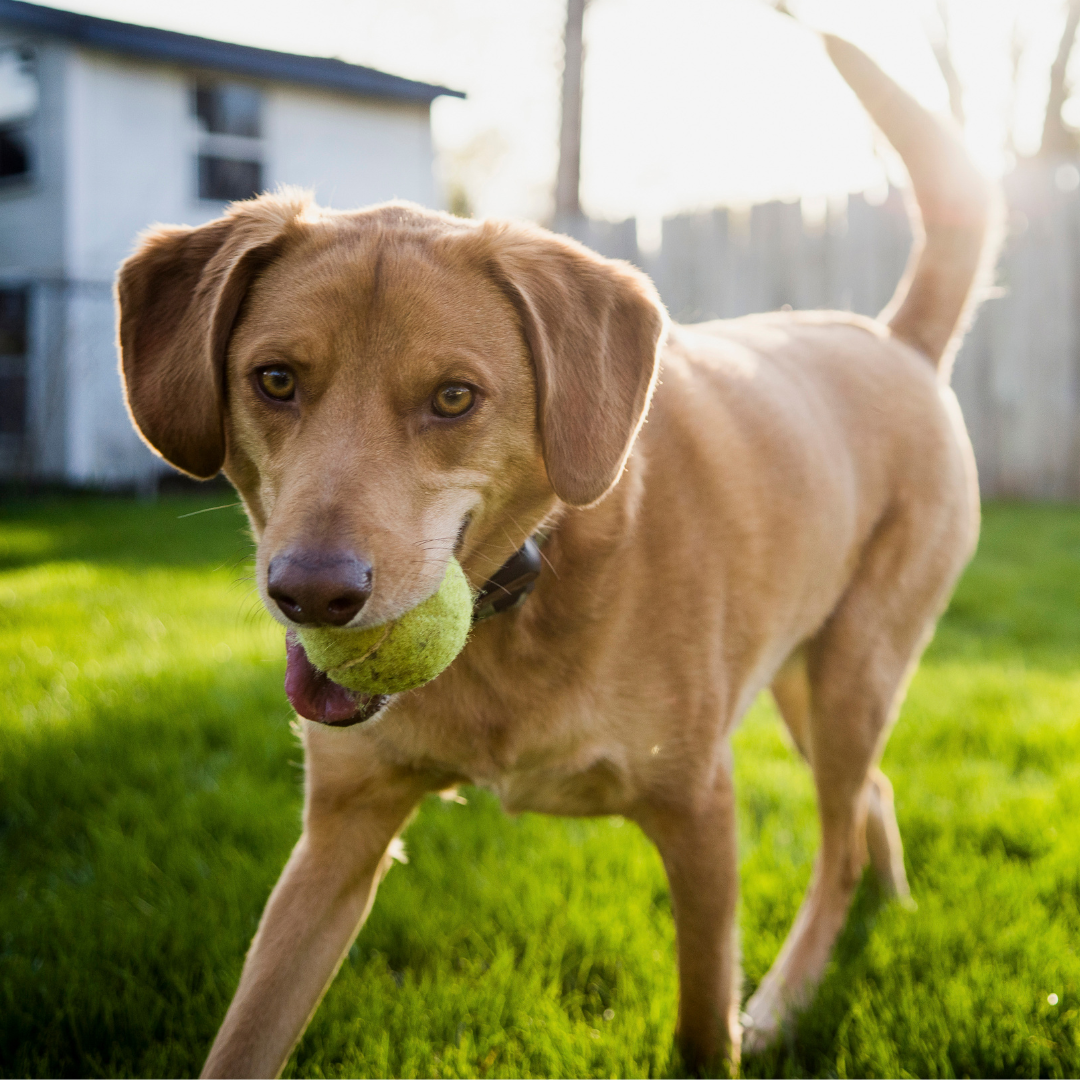
Southwest Florida backyards work hard. One section may get full afternoon sun, another may stay damp near the pool cage, and the side yard may become the daily route for kids, dogs, trash cans, or lawn equipment. When traffic meets heat, sandy soil, and rainy-season moisture, weak turf can thin out quickly.
That is why the best sod choice is not only about what looks green on delivery day. It is about matching the grass, soil prep, irrigation, and installation plan to how the yard is actually used.
For homeowners in Cape Coral, Fort Myers, Lehigh Acres, North Port, Port Charlotte, Bonita Springs, and nearby Southwest Florida communities, here is how to think through sod for a backyard with kids, pets, pool traffic, and regular outdoor use.
Start With How the Yard Gets Used
Before comparing grass types, walk the yard and look for the pressure points. High-traffic sod decisions usually come down to practical questions:
- Where do kids or pets run most often?
- Is there a worn path from the lanai, pool, gate, or driveway?
- Does the yard hold water after afternoon storms?
- Are there shaded areas under palms, fences, oaks, or pool screens?
- Is irrigation coverage even, or are some areas always dry?
- Is the soil compacted from construction, pool work, or previous landscaping?
A front yard that mostly needs curb appeal can be handled differently from a backyard that sees dogs, parties, patio furniture, and daily foot traffic. The right plan may be full sod replacement, targeted patch repair, or sod plus grading and irrigation adjustments.
Why Backyard Traffic Is Hard on Florida Lawns
Florida sod has to establish roots while dealing with heat, humidity, weeds, insects, sandy soil, and heavy rain. Traffic adds another layer of stress. Repeated footsteps compress the soil, reduce air space in the root zone, and make it harder for new roots to grow.
Pool yards add their own issues. Wet feet, patio furniture, shaded pool screens, and splash-out can create thin areas. Dog yards often wear near gates, corners, fence lines, and favorite play zones. Kids create similar stress around play sets, shortcuts, and open areas where they run.
New sod can handle normal use once it is rooted, but it is not ready for heavy traffic immediately after installation. If the lawn needs to look good and hold up, timing and aftercare matter just as much as grass selection.
St. Augustine Sod: Lush Look With the Right Conditions
St. Augustine is one of the most common sod choices for Florida homes because it creates a thick, attractive lawn with broad blades and strong curb appeal. It can work well for many Southwest Florida backyards, especially when irrigation is reliable and the lawn receives a reasonable amount of sun.
For busy yards, St. Augustine’s dense growth can help create a finished look, but it still needs proper watering, mowing height, and pest monitoring. It is not a cure for compacted soil, standing water, or the same dog path being run every day.
St. Augustine may be a good fit when:
- The homeowner wants a lush Florida lawn look.
- Irrigation coverage is consistent.
- The yard has moderate use rather than constant concentrated traffic.
- The soil can be prepared and graded before installation.
- Shade is present but not so dense that grass cannot recover.
If the existing St. Augustine lawn has brown patches, bare spots, or weak turf, Sunshine Sod can help evaluate whether patching is enough or full replacement will produce a cleaner result.
Bahia Sod: Practical for Larger, Lower-Maintenance Areas
Bahia is often chosen for larger Florida lots, utility areas, and properties where the owner wants practical coverage without chasing a high-end manicured look. It has a more open texture than St. Augustine and can show seed heads when actively growing.
For some Southwest Florida properties, Bahia can make sense in side yards, larger back sections, or full-sun areas where durability and budget matter more than a dense carpet appearance. It may not be the first choice for a formal pool lawn or HOA front yard, but it can be the right option for simple, functional coverage.
Bahia may be worth discussing when:
- The lawn area is large.
- The property has strong sun.
- The homeowner wants a practical, lower-input option.
- The area does not need a premium manicured appearance.
- Sandy soil and broad coverage are the main concerns.
Zoysia Sod: Dense Appearance, But Match It Carefully
Zoysia is popular with homeowners who want a dense, refined lawn appearance. In the right setting, it can create a tight turf with strong visual appeal around patios, pool areas, and curb appeal projects.
Zoysia is not automatically the best answer for every dog yard or play yard. It should be matched carefully to sun exposure, irrigation, mowing practices, drainage, and homeowner expectations. Like other sod types, it performs best when the soil is properly prepared and the new sod is protected during the establishment period.
Zoysia may be a good conversation when:
- The homeowner wants a premium-looking lawn.
- The area gets strong sun.
- Irrigation and mowing can be managed properly.
- The yard is not constantly wet or heavily shaded.
- The homeowner understands that prep and aftercare are part of the result.
Do Not Ignore Drainage Around Pools and Patios
Many backyard sod failures are not really grass-type failures. They are drainage, grading, or soil-prep problems.
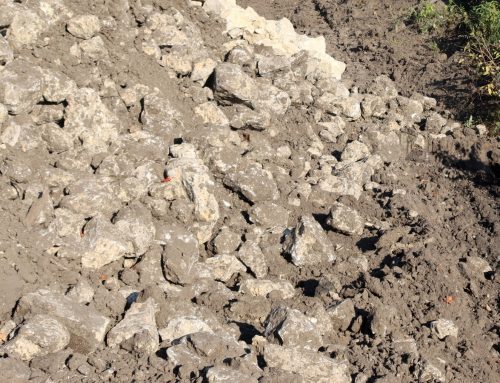
If water runs off a patio and sits in one corner, new sod may struggle. If the area beside a pool deck is low, the lawn may stay wet after every storm. If soil was compacted during pool, paver, screen enclosure, or construction work, fresh sod may look good at first and then decline because roots cannot establish properly.
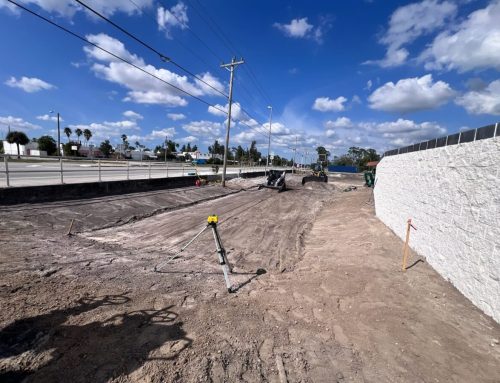
Before installation, check for low spots, hard soil near gates, ruts from equipment, downspout runoff, and edges where sod needs to meet pool decks or walkways cleanly. Fixing those issues first gives the new lawn a better chance.
Give New Sod a Traffic Break
Even the right sod needs a quiet establishment window. For the first few weeks after installation, keep kids, dogs, furniture, and unnecessary foot traffic off the new lawn as much as possible. The goal is to keep the sod moist, flat, and firmly connected to the soil while roots begin growing.
A practical plan is to use temporary barriers, walk dogs in a different area, keep patio furniture off the new sod, water early in the morning, adjust for rainfall, and wait to mow until the sod has rooted enough for a clean cut.
When Patch Repair Is Enough—and When Replacement Is Better
Small worn spots near a gate or pool step may be good candidates for patch repair if the rest of the lawn is healthy. But if the backyard has widespread thinning, uneven grades, drainage issues, mixed grass, weeds, or old failing turf, full replacement may be cleaner and more cost-effective.
Patch repair is usually best when damage is limited, surrounding turf is healthy, and the cause of the damage has been fixed. Full sod replacement often makes more sense when large areas are bare, the lawn has multiple grass types, pool or patio work damaged the yard, or soil prep needs to be corrected first.
Need Help Choosing Sod for a Busy Southwest Florida Yard?
A backyard with kids, dogs, a pool, and Florida weather needs more than a generic sod recommendation. The best result comes from matching the grass type to the site, preparing the soil, checking irrigation, and giving the new sod time to establish.
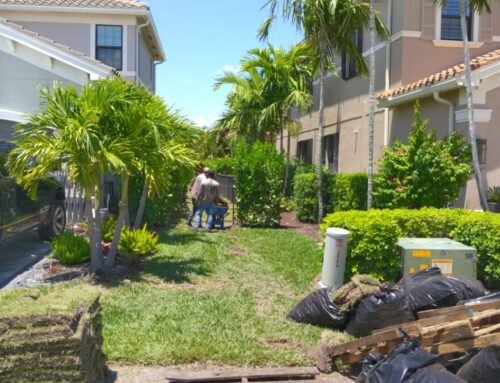
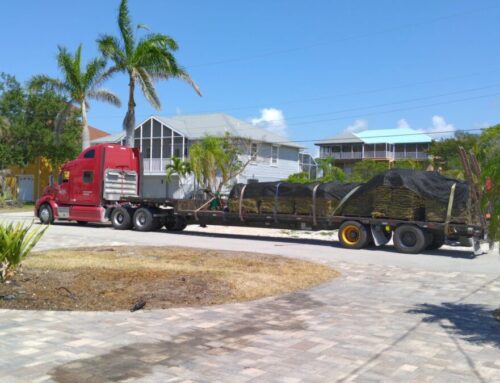
Sunshine Sod helps Southwest Florida homeowners with sod delivery, lawn replacement, and professional sod installation for front yards, backyards, pool areas, side yards, and new construction homes. If your lawn is worn out, patchy, or struggling after heavy use, Sunshine Sod can help you decide whether targeted repair or full replacement makes the most sense.
Contact Sunshine Sod to talk through your yard, grass options, delivery needs, and installation timing before the next round of heat, rain, or backyard traffic makes the problem worse.
Related Sunshine Sod Resources
- Florida Lawn Patch Repair for targeted bare spots, pet paths, and worn backyard sections.
- Residential Sod Installation in Florida for full backyard replacement and curb-appeal upgrades.
- Fresh Sod Delivery when your project needs pallets coordinated with installation timing.
- Topsoil and Grading Services for low spots, compacted soil, and pool-yard drainage concerns.
- Empire Zoysia Sod for homeowners comparing dense warm-season grass options.
- Sod Maintenance Tips for watering, mowing, and protecting new sod after installation.
- Contact Sunshine Sod to discuss the best sod plan for a yard with kids, dogs, pool traffic, or drainage issues.