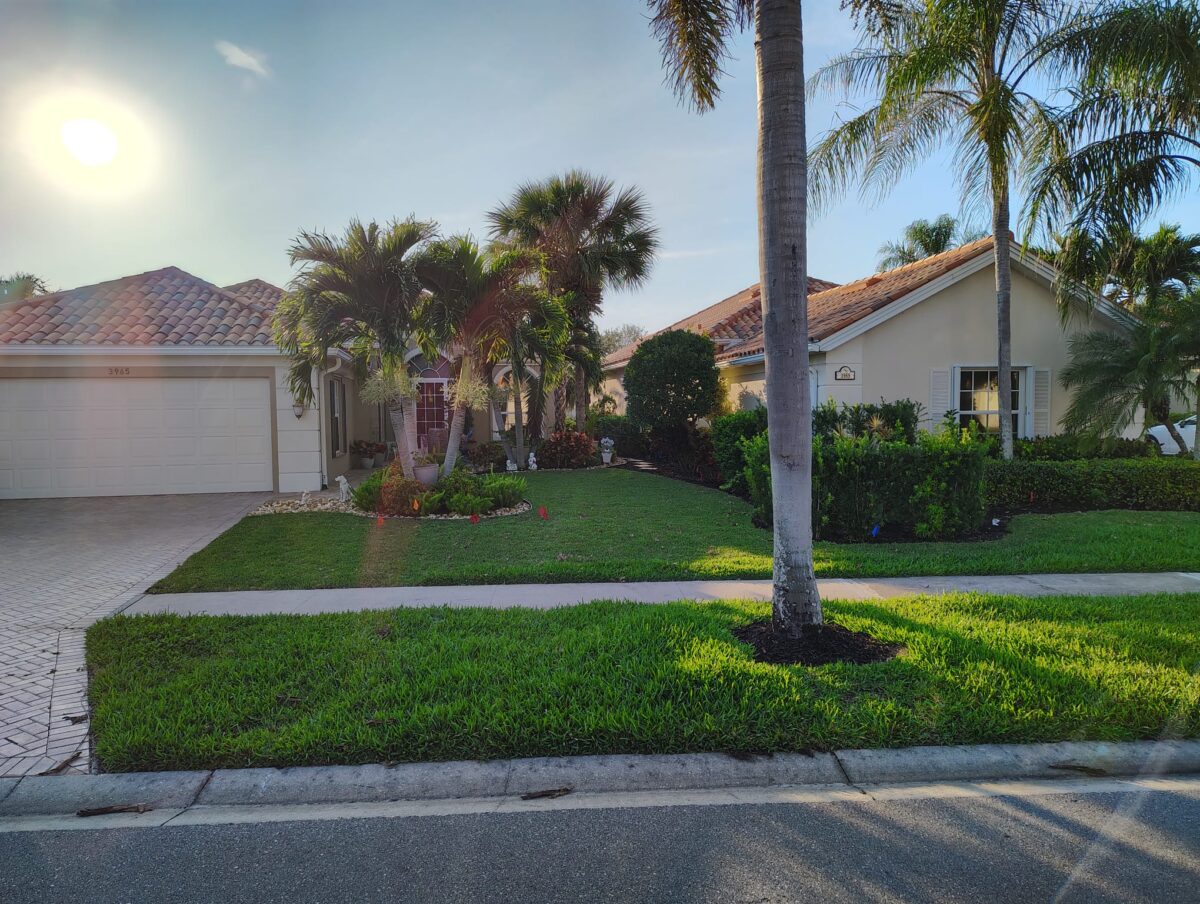
Chinch Bug Damage in Southwest Florida St. Augustine Lawns: When Sod Replacement Makes Sense
A brown patch in a Southwest Florida lawn is easy to blame on heat, watering, or “bad grass.” Sometimes that is true. But in many St. Augustine lawns, especially during warm weather, thinning yellow and brown areas can also point to southern chinch bug activity, old turf stress, irrigation gaps, disease pressure, or a combination of problems.
For homeowners in Fort Myers, Cape Coral, Bonita Springs, Estero, Naples, Port Charlotte, Punta Gorda, and nearby communities, the question is practical: can the lawn recover with better care, or is sod replacement the faster, cleaner way to restore curb appeal?
The answer depends on how much turf is still alive, whether the underlying problem has been corrected, and what you expect the lawn to look like in the next few weeks. Here is how to think through the decision before ordering new sod.
Why St. Augustine lawns show damage quickly in Southwest Florida
St. Augustinegrass is one of the most common lawn grasses in Florida because it creates a dense, attractive surface and can establish quickly from sod. It is also sensitive to certain stresses. UF/IFAS notes that St. Augustinegrass needs water to remain green and healthy, and the southern chinch bug is a major insect pest of this grass.
In Southwest Florida, several site conditions can make damage show up fast:
- Full afternoon sun along driveways, sidewalks, and front yards
- Sandy or shell-heavy soil that dries out quickly
- Irrigation zones with weak coverage or broken sprinkler heads
- Heat reflected from pavers, concrete, and roadways
- Older turf with thatch buildup or shallow roots
- Heavy use from pets, foot traffic, vehicles, or construction work
Chinch bug damage often appears as yellowing or browning patches that expand outward. UF/IFAS describes injury as commonly starting in water-stressed areas or places growing in full sunlight. That is why the same lawn can have one section that looks acceptable and another that looks burned out.
First, confirm the cause before replacing the lawn
New sod can dramatically improve a lawn, but it should not be used to cover up an active problem without addressing the cause. If insects, irrigation gaps, drainage issues, or soil problems remain, the new grass may struggle too.
Before planning sod replacement, walk the lawn and look for patterns:
Damage along hot edges
Brown areas next to driveways, sidewalks, curbs, and south- or west-facing exposure often point to heat and moisture stress. Chinch bugs also tend to show up in stressed, sunny areas, so these spots deserve closer inspection.
Circular or expanding patches
Patches that keep spreading may indicate pest or disease activity. If the grass is yellow around the edge and dead in the center, do not assume watering alone will fix it.
Dry corners in an otherwise healthy yard
If one irrigation zone misses a corner, the lawn may decline in a predictable pattern. Run the sprinklers and watch the coverage. A broken head, clogged nozzle, blocked spray pattern, or short run time can create damage that looks like a turf problem but starts as a water problem.
Thin turf with weeds moving in
Once St. Augustine thins out, weeds can take advantage of bare soil and sunlight. If the lawn has more weeds and dirt than living turf, recovery may be slow even after the original stress is corrected.
If you suspect active insects or disease, consider getting the lawn inspected before replacing sod. Treatment decisions should be based on the actual problem, not guesswork.
When treatment and recovery may be enough
Sod replacement is not always necessary. A lawn may recover if the damaged area is limited, there is still healthy turf surrounding the spot, and the underlying issue can be corrected quickly.
Recovery is more realistic when:
- The damaged area is small and not expanding
- Irrigation coverage can be fixed immediately
- Most roots and runners are still alive
- The lawn has not been overtaken by weeds
- The homeowner is patient enough to wait for regrowth
- The appearance does not need to be corrected immediately for an HOA, listing photo, event, or closing
In these cases, better watering, professional pest treatment, improved mowing practices, and targeted repair may be enough. The tradeoff is time. Stressed St. Augustine does not always fill in evenly, especially if the damage is severe or the lawn is under continued summer pressure.
When sod replacement is the smarter curb appeal fix
Replacement starts to make more sense when the lawn has crossed from “stressed” to “failed.” A large dead area can take a long time to recover, and bare soil can invite weeds, erosion, and HOA attention.
Consider new sod when:
- Large sections are dead, bare, or detached from the soil
- Chinch bug or drought damage has left visible front-yard patches
- The yard needs to look clean quickly for an HOA, sale, rental, or new construction handoff
- Weeds have moved into the damaged area
- The existing grass type no longer fits the site conditions
- Prior patching has created a mismatched, uneven lawn
- Irrigation and pest issues have already been corrected
A full or partial sod replacement and installation gives the yard a clean reset. It also allows the soil surface to be cleaned, leveled, and prepared before new grass goes down. That preparation matters just as much as the sod itself.
What to fix before installing new sod after chinch bug damage
If chinch bugs, heat stress, or irrigation gaps helped cause the original damage, do the prep work before delivery day. New sod is a living product, and it needs good soil contact, moisture, and a stable site to root.
Remove failed turf and weeds
Dead St. Augustine, weed roots, and loose debris should be removed so the new sod sits flat against the soil. Installing over dead material can create uneven rooting and soft spots.
Correct irrigation coverage
Run every zone before the sod arrives. Watch for dry corners, blocked heads, broken nozzles, overspray onto pavement, and low-pressure areas. Fresh sod needs consistent moisture while roots establish, especially in Southwest Florida heat.
Check grade and drainage
A low, soggy area can be just as damaging as a dry one. If the lawn needs leveling before replacement, review Sunshine Sod’s Topsoil and Grading Services before scheduling installation. If water sits after summer storms, address grading and drainage before installation. Sod can improve the lawn surface, but it will not fix a drainage problem by itself.
Match the grass to the property
St. Augustine is popular, but it is not the answer for every yard. Bahia, Zoysia, or another turf choice may be worth discussing depending on sun exposure, budget, irrigation, traffic, and appearance goals. Sunshine Sod can help compare options before ordering material.
Should you replace the whole lawn or only the damaged section?
Partial lawn patch repair can work when the damage is isolated and the remaining lawn is healthy. It is often used for a front corner, side strip, utility repair area, or section damaged by pests. The challenge is blending. New sod may look different from older turf until it grows in and receives the same care.
Full lawn replacement is cleaner when damage is widespread, the grade needs work, or the existing turf is patchy across multiple areas. It can also be the better choice when curb appeal matters immediately. For HOA communities and homes going on the market, a uniform lawn may be worth more than repeated patch repairs.
Related Sunshine Sod Resources
- Provista St. Augustine Grass Delivery and Installation for homeowners comparing St. Augustine options.
- Sod Installation in Florida for full lawn replacement after severe turf damage.
- Florida Lawn Patch Repair for isolated brown patches or smaller damaged areas.
- Fresh Sod Delivery when you need material coordinated with installation timing.
- Lawn Sod Replacement for Florida Homes With St. Augustine Grass Issues for related guidance on St. Augustine decline.
Sunshine Sod can help plan the right reset
If your St. Augustine lawn has brown patches, thinning turf, or suspected chinch bug damage, do not wait until the entire yard fails. The best next step is to identify the cause, correct the conditions that hurt the old grass, and then decide whether treatment, partial repair, or sod replacement makes the most sense.
Sunshine Sod helps Southwest Florida homeowners with fresh sod delivery and installation planning, including grass selection, site preparation, pallet delivery, and replacement strategy. If your lawn is too far gone to recover cleanly, fresh sod can be the most direct path back to a green, even, HOA-ready yard.
Contact Sunshine Sod to discuss your property, compare sod options, and schedule delivery or installation for a cleaner Florida lawn reset.