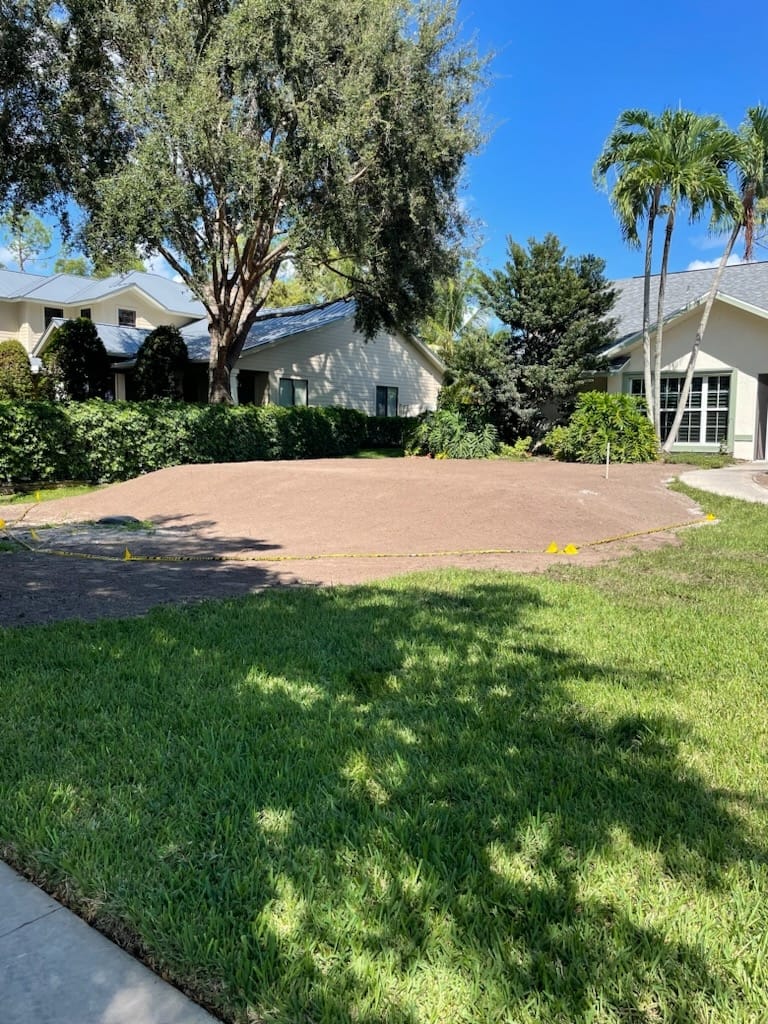
A brown, patchy, or thinning lawn can become more than an eyesore when you live in a deed-restricted community. In many Southwest Florida neighborhoods, HOA notices are triggered by bare spots, weeds, uneven turf, storm-damaged grass, or a front yard that no longer matches the curb appeal standard for the street. If you have received a lawn violation letter, the first question is usually simple: can this yard recover, or is it time to replace the sod?
For many homeowners in Fort Myers, Cape Coral, Naples, Bonita Springs, Lehigh Acres, Port Charlotte, and nearby areas, fresh sod is often the most direct path back to a clean, uniform lawn. That does not mean every lawn needs full replacement. But when the grass has declined beyond practical repair, professional sod delivery and installation can help you move quickly, avoid repeated patch jobs, and give the yard a finished look that seed rarely provides in Florida conditions.
Why HOA Lawn Notices Happen So Often in Southwest Florida
Southwest Florida is tough on turf. Lawns may deal with sandy soil, strong sun, heavy afternoon rain, irrigation restrictions, salt exposure near coastal areas, construction debris, grading problems, pests, disease pressure, and seasonal drought. A yard can look acceptable one month and struggle badly the next if roots are weak or irrigation coverage is uneven.
HOA letters often mention visible symptoms rather than the underlying cause. Common complaints include dead grass near driveways, large bare areas, weed-filled sections, thin turf along sidewalks, or inconsistent color across the front yard. The association may not care whether the problem started with chinch bugs, poor drainage, drought stress, or old sod. They simply want the lawn restored.
That is why the best response is not always another bag of fertilizer or a few pieces of patch sod. Before spending money, look at the whole yard and decide whether the existing turf has enough healthy coverage to recover.
When Sod Replacement Makes More Sense Than Repair
Small damaged areas can sometimes be patched. If most of the lawn is healthy, a few matching pieces of sod may be enough. Replacement becomes the better option when the problems are spread across the yard or when the existing grass has lost its density.
Consider new sod if you see several of these signs:
- More than one-third of the lawn is thin, dead, or bare
- Weeds are filling in faster than the grass
- Previous patching created a mismatched, uneven appearance
- The lawn has recurring dead zones after rain or irrigation
- The turf pulls up easily because roots are weak
- The yard needs a quick curb appeal improvement for an HOA deadline
- The grass variety is not performing well for the amount of sun, shade, or traffic
New sod gives you a uniform surface, but it also gives you a chance to correct conditions that caused the old lawn to fail. That preparation step is especially important in Florida.
Do Not Skip the Prep Work
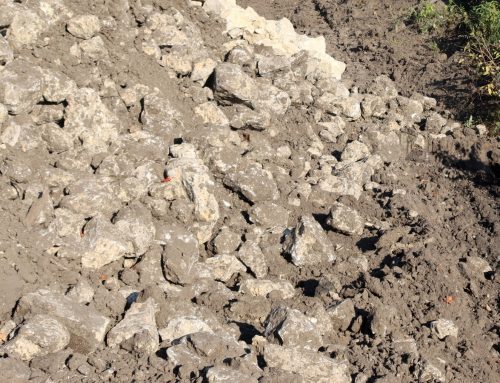
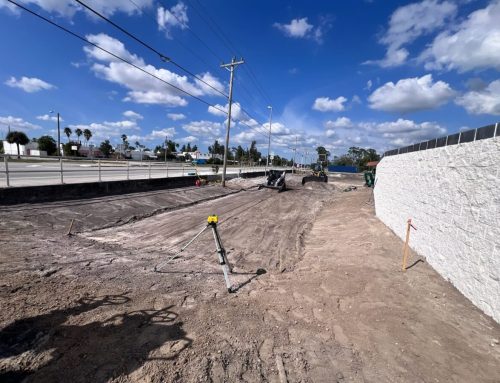
A good-looking sod job starts before the first pallet arrives. Old grass, weeds, rocks, roots, and construction debris should be removed so the new sod can make direct contact with the soil. Low spots should be addressed where practical, especially near driveways, sidewalks, gutters, pool cages, and downspouts. If water sits in the yard after a typical afternoon storm, drainage should be evaluated before new turf goes down.
Soil preparation matters because sod is a living product. The roots need contact with the soil below to establish. If sod is laid over compacted ground, buried debris, or a layer of dead weeds, it may look good at first but struggle after the first few weeks.
Irrigation should also be checked before installation day. Newly installed sod needs consistent moisture while roots are establishing. UF/IFAS guidance for newly planted St. Augustinegrass emphasizes careful irrigation during establishment, often using short, frequent watering early on and then gradually reducing as roots grow. Your exact schedule should follow local watering rules, weather, soil conditions, and the sod variety installed, but the big idea is the same: dry edges and missed sprinkler zones can damage new sod quickly.
Choosing the Right Sod for HOA Curb Appeal
Many HOA communities want a neat, green, consistent front lawn, but the best sod choice still depends on the property. St. Augustine is common across Florida and is known for its broad blade and dense appearance. Bahia can be a practical option for some larger or lower-maintenance areas, although it has a different look and growth habit. Zoysia can create a dense, attractive lawn in the right conditions, but it also has its own maintenance needs.
Before choosing grass, think about sun exposure, shade from palms or oaks, foot traffic, irrigation reliability, pets, budget, and the look your community expects. Matching the new sod to the site is better than simply choosing what looks best on a pallet. If the front yard gets full sun but the side yard is shaded, one approach may not fit every section.
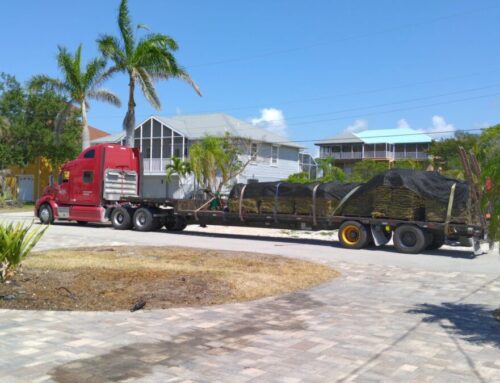
Sunshine Sod can help homeowners think through delivery, grass selection, and installation details based on the yard and the service area. The goal is not just to cover bare dirt; it is to install sod that has the best chance to establish and keep the property looking clean after the HOA deadline passes.
How to Respond to an HOA Lawn Notice
If you received a written notice, start by reading it carefully. Look for the required correction date, whether photos were included, and whether the violation applies to the front yard, side yard, easement, or entire property. Then take your own photos in daylight. This helps document the starting condition and makes it easier to explain the scope of work if you need to contact the property manager.
Next, get a realistic plan. If the lawn needs full replacement, ask about the timeline for removal, soil prep, sod delivery, and installation. If the HOA deadline is close, you may also be able to let the association know that sod replacement has been scheduled. Many communities are more responsive when they see a clear corrective action date instead of a vague promise to “work on the lawn.”
Avoid doing partial work that leaves the yard looking unfinished for weeks. A few random patches can sometimes draw more attention because the color and texture do not match. If the lawn needs a full reset, a coordinated installation usually creates a cleaner result.
After Installation: Help the New Lawn Establish
The first few weeks after installation are critical. Keep foot traffic low, monitor edges and corners for drying, and watch for sprinkler zones that miss strips along sidewalks or driveways. Do not assume rain will water the lawn evenly. In Southwest Florida, a storm can soak one side of the neighborhood while leaving another area almost dry.
Mowing should wait until the sod has rooted enough and reached the appropriate height for the turf type. Cutting too soon, removing too much blade, or mowing with dull blades can stress new grass. Fertilizer should also be timed carefully and in compliance with local ordinances, especially during summer fertilizer restrictions that may apply in some municipalities.
If you are replacing sod because of an HOA issue, take photos after installation and again once the lawn begins rooting in. Keeping a simple record can help if the association requests proof that the violation has been corrected.
Ready to Fix the Lawn Notice?
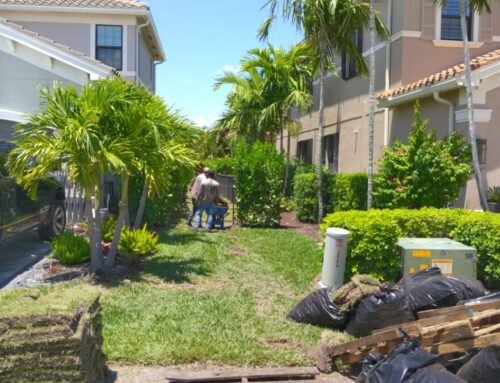
An HOA lawn violation is stressful, but it can also be the right time to stop fighting a failing yard and start fresh. With proper preparation, reliable sod delivery, and professional installation, a patchy Southwest Florida lawn can be transformed into a clean, uniform landscape that improves curb appeal.
If your lawn is thinning, weed-filled, storm-damaged, or under HOA notice, contact Sunshine Sod to discuss sod delivery and installation options. A practical plan now can help you meet community expectations and give your new lawn the best start possible in Florida conditions.
Related Sunshine Sod Resources
For more help planning the right sod project, use these Sunshine Sod resources: