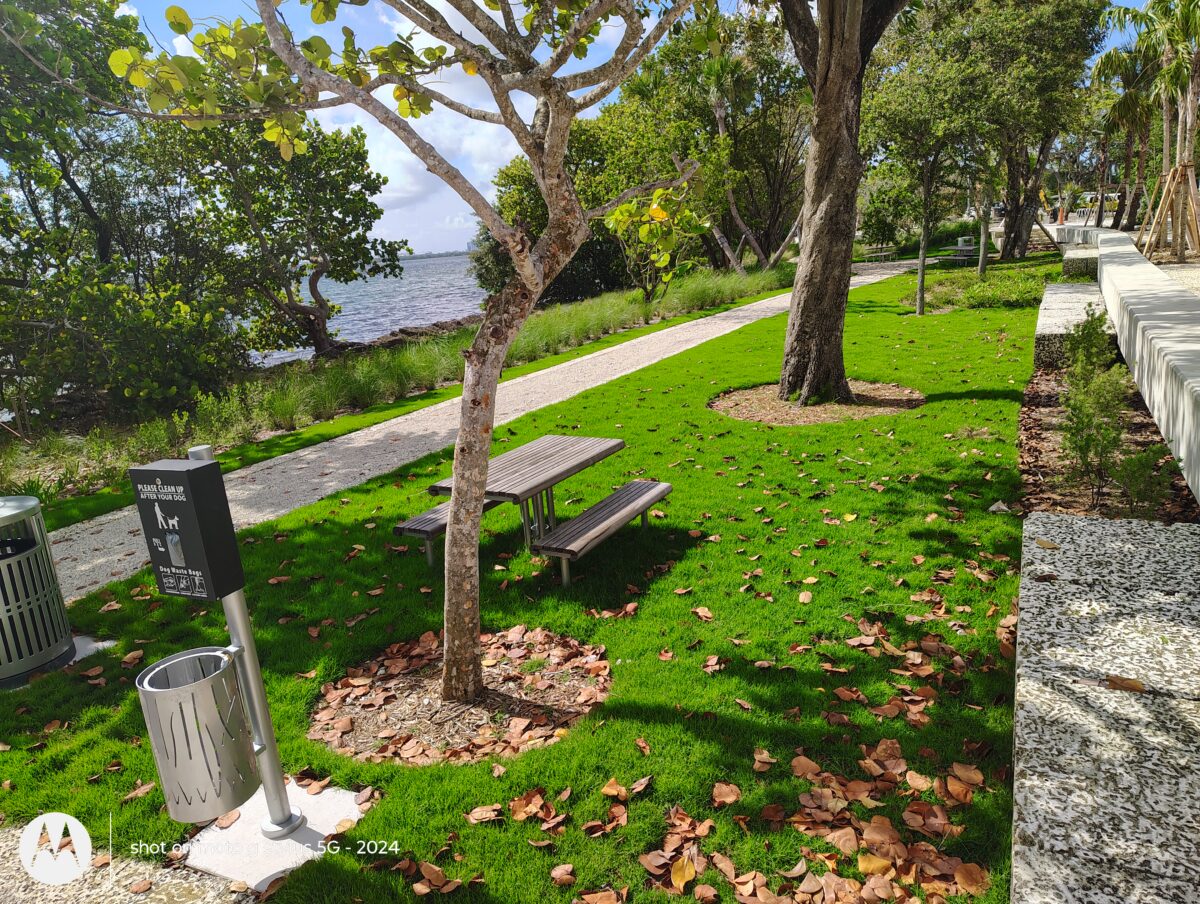
Choosing new sod in Florida can feel confusing when every grass type sounds like it should work well in heat, sun, and coastal conditions. A lawn near Sarasota may deal with salty air, sandy soil, strong sun, heavy rain, irrigation limits, foot traffic, and poolside wear, all in the same year. That is why Paspalum sod often comes up when homeowners, builders, and property managers want a clean, dense lawn that can handle certain Florida conditions better than many common turf options.
At Sunshine Sod, we help customers across the Sarasota area, Southwest Florida, and other Florida communities choose sod that fits the property, not just the look they want on day one. Paspalum can be a strong choice in the right setting, but it is not the right answer for every yard. Understanding how it compares to other grass types can help you plan a better lawn from the start.
What Makes Paspalum Sod Different?
Paspalum sod is a warm-season turfgrass known for its strong salt tolerance, dense growth, and clean, high-end appearance. It is often used in coastal areas, golf courses, commercial landscapes, and Florida properties where salt exposure or irrigation quality may be a concern. University of Florida guidance notes that seashore paspalum performs well in salt-affected sites, though it usually needs a higher level of maintenance than some other lawn grasses.
Why Does Paspalum Handle Coastal Conditions So Well?
Paspalum is often discussed for Florida lawns because it can tolerate salt better than many common turfgrasses. That matters near the coast, where lawns may be exposed to salt spray, brackish irrigation water, or soil salinity. UF/IFAS notes that seashore paspalum thrives in salt-affected sites, while grasses like St. Augustine, zoysia, and bermudagrass have moderate to high salt tolerance.
For properties near Sarasota, Bradenton, Venice, Lakewood Ranch, and other coastal or near-coastal communities, this can make a real difference. A lawn that looks fine inland may struggle in areas where salt exposure is part of daily life. Paspalum gives property owners another option when typical sod varieties may not be the best fit.
That does not mean Paspalum is only for beachfront homes. It may also be considered for commercial properties, resort-style landscapes, pool areas, and properties with irrigation concerns. The key is matching the sod to the site conditions before installation begins.
How Does Paspalum Compare to St. Augustine, Zoysia, and Bahia?
Paspalum stands out most when salt tolerance and appearance are major priorities. It can create a dense, dark-green lawn when managed well, which is why it is often associated with golf courses and higher-end landscapes. UF/IFAS identifies seashore paspalum as a higher-maintenance turfgrass that can produce dense, dark green turf with proper care.
St. Augustine is one of the most common Florida sod choices because it performs well in many residential settings and has better shade tolerance than some other warm-season grasses. It is often a practical choice for standard home lawns, especially where salt exposure is not a major issue.
Zoysia can offer a fine texture and strong curb appeal, but it may grow more slowly and can take longer to recover from wear. It can be a good option for certain residential and commercial lawns where appearance is a priority, and the maintenance plan supports it.
Bahia is often used where drought tolerance and lower upkeep matter more than a thick, polished look. It is common in larger open areas, roadsides, and properties where a more rugged turfgrass makes sense.
Paspalum is different because it often fits properties where salt tolerance, density, and a refined look matter at the same time. The tradeoff is that it usually needs more care than some other Florida grass types.
When This Matters for Florida Property Owners
Paspalum sod matters most when the lawn has conditions that make standard grass choices harder to maintain. If your property is near the coast, uses irrigation water with higher salt content, or has areas exposed to salt spray, Paspalum may be worth considering.
It may also matter if the lawn is part of a commercial property, builder project, HOA entrance, resort-style home, or poolside landscape where the finished look carries extra weight. Paspalum can create a clean, even lawn when it is installed correctly and maintained on the right schedule.
It may not be needed for every home lawn. If your yard has heavy shade, limited maintenance, poor drainage, or you want the lowest-care option possible, another grass type may be a better fit. UF/IFAS notes that seashore paspalum has poor shade and cold tolerance and can develop thatch issues if it is not managed well.
Who Gets the Most Value From Paspalum?
Paspalum can be a strong fit for homeowners who want a polished lawn and understand that better appearance often comes with a more active care routine. It can also be useful for business owners who want their property frontage, common areas, or customer-facing landscape to look clean and consistent.
Builders and property managers may consider Paspalum for new construction, coastal communities, model homes, and shared green spaces where first impressions matter. Golf courses and sports turf managers also use seashore paspalum in some areas because of its tolerance for salt and its dense playing surface. The University of Georgia describes seashore paspalum as well adapted for coastal tropical and subtropical areas and notes its common use on golf courses where salt or brackish irrigation is a concern.
For Florida homeowners, the decision should come down to the property, the maintenance plan, and the lawn goals. A great-looking sod installation starts before the grass arrives. Soil preparation, grading, irrigation review, and proper placement all affect how well the lawn takes root.
What Should You Know Before Ordering Paspalum Sod?
Before ordering Paspalum, think about how the lawn will be used and maintained. This grass can perform well, but it is not a set-it-and-forget-it choice. It may need regular mowing, proper watering, and careful fertilization to stay dense and healthy. The Florida Native Plant Society notes that seashore paspalum needs water, fertilizer, and frequent mowing to look good as turfgrass.
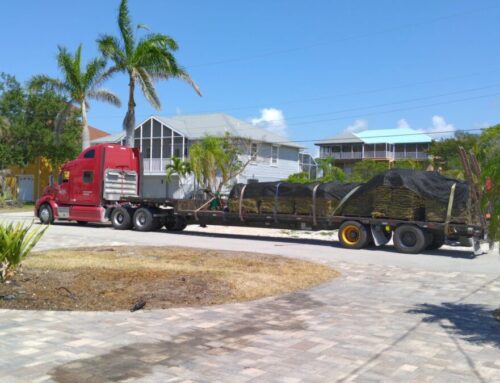
The installation process also matters. Fresh sod needs solid soil contact, proper grading, and steady moisture after installation. Sunshine Sod provides fresh-cut sod delivery and installation across Florida, working with trusted local growers and serving homeowners, landscapers, builders, and businesses.
Our team can help you compare sod types before you order, especially if you are trying to decide between Paspalum, St. Augustine, Bahia, or Zoysia. That conversation can prevent mismatched expectations and help you avoid choosing grass based only on appearance.
Choose the Right Sod for Your Florida Lawn
Paspalum sod can be a smart choice for Florida properties where salt tolerance, dense growth, and a clean finished look matter. It is especially worth considering around Sarasota, Southwest Florida, and other parts of the state where coastal conditions can make turf selection more important.
The best lawn starts with the right grass, fresh sod, and proper installation. If you are planning a sod delivery or installation project, contact Sunshine Sod to talk through your property, compare grass types, and request an estimate for your Florida lawn.
Related Sunshine Sod Resources
If you are comparing Paspalum against other Florida sod options, these Sunshine Sod resources can help you plan the next step: