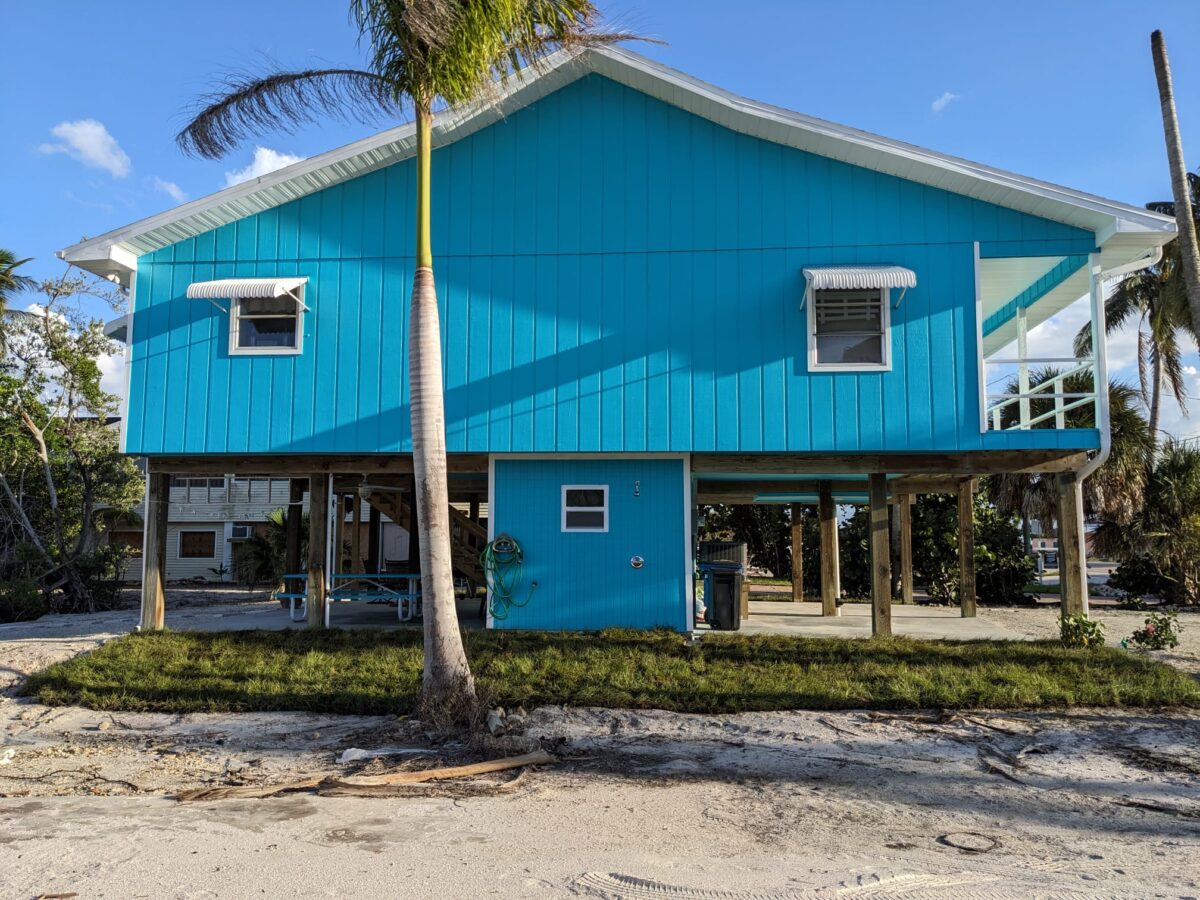
If your Southwest Florida yard looks thin under palm trees, live oaks, lanais, or the edge of a pool cage, the problem is not always “bad grass.” Many Florida lawns fail because the sod was installed in a place where sunlight, drainage, irrigation, foot traffic, and tree competition were never matched to the right turf plan.
That matters before you spend money on lawn replacement. A shaded yard in Fort Myers, Cape Coral, Naples, Bradenton, Sarasota, or Port Charlotte needs a different conversation than a wide-open, full-sun front lawn. The best result usually comes from choosing the right sod, improving the site before delivery, and setting realistic expectations for how the grass will be maintained after installation.
Why Shady Florida Lawns Thin Out
Warm-season turfgrasses love heat, but they still need sunlight to produce dense growth. In Southwest Florida, shade can come from several directions:
- Mature palms and oaks
- Screened lanais and pool cages
- Two-story homes or neighboring houses
- Fences and privacy hedges
- New construction walls or landscape beds
- Afternoon shade from west-facing structures
A few hours of filtered shade is very different from dense, all-day shade. Grass that receives morning sun and light afternoon shade may perform well with the right sod and mowing height. Grass under a heavy oak canopy, against a damp side yard, or inside a tight access strip may struggle no matter what is installed.
Shade also slows drying. That can create a second problem: the surface stays damp while the roots still compete with tree roots for water and nutrients. Homeowners may see weeds, bare patches, fungus pressure, or soft soil and assume the lawn only needs more water. In reality, too much irrigation in a shaded area can make the situation worse.
St. Augustine Sod Is Often the First Grass to Consider
For many shaded Florida yards, St. Augustine sod is the most common starting point. UF/IFAS notes that St. Augustinegrass is adapted to most Florida soils and climate regions, and that certain cultivars have better shade tolerance than other warm-season grasses. It also establishes quickly when planted as sod, which is one reason homeowners often choose it for visible front yards, pool areas, and HOA communities.
That does not mean St. Augustine is magic. It still needs light, air movement, proper mowing, and a watering schedule that supports new roots without keeping the lawn constantly wet. It also has poor wear tolerance compared with some other grasses, so it may not be the right answer for a shaded side yard that kids, dogs, or service paths use every day.
Where St. Augustine can make sense:
- Front yards with partial shade from palms or landscape trees
- Pool-adjacent lawns that still receive several hours of sun
- HOA curb-appeal areas where a thicker, greener look is important
- Residential replacement lawns where quick establishment matters
Before installation, Sunshine Sod can help evaluate whether the area is truly partial shade or whether it is too dark for sod to perform well long-term.
What About Bahia or Zoysia in Shade?
Bahia sod is popular in Florida because it can be practical for large, sunny, lower-maintenance areas. But for shade-heavy yards, Bahia is usually not the first choice. It is better suited to open areas where the lawn can receive strong sun and does not need a manicured, dense appearance.
Zoysia may be considered in some Florida landscapes, but it is not automatically the best solution for every shady property. Some varieties can be dense and attractive, yet they may require more careful management and can be slower to recover when stressed. In Southwest Florida, the right answer depends on the exact site, the homeowner’s expectations, irrigation, maintenance habits, and budget.
The important point: do not choose sod only from a photo online. The same grass that looks great in one Florida yard may struggle across the street if the shade, soil, and traffic pattern are different.
Site Prep Matters More in Shaded Areas
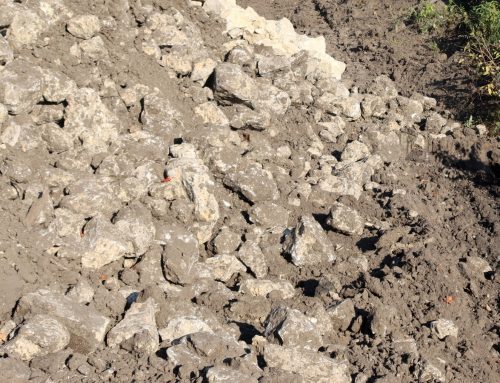
Shaded sod failures often start before the first pallet arrives. If the soil is compacted, uneven, full of old roots, or holding water, new sod has to fight from day one.
Good site preparation may include:
- Removing old turf, weeds, and debris
- Light grading so water does not sit against the house
- Loosening compacted surface soil where appropriate
- Correcting low spots before sod is installed
- Checking sprinkler coverage before delivery day
- Keeping sod edges tight so pieces do not dry out
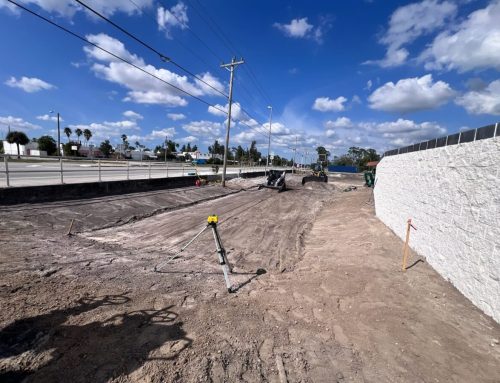
This is especially important around new construction homes. Builder-grade soil can be sandy, compacted, or uneven, and shade from the new structure may create wet/dry zones that are hard to see until the first heavy rain. Installing sod over an unprepared surface may look good for a few weeks, then thin out as the lawn tries to root.
Watering New Sod in Shade
New sod needs consistent moisture while roots knit into the soil, but shaded zones should not be treated exactly like full-sun zones. A full-sun strip along the driveway may dry out quickly, while the side yard under trees may stay damp for hours.
That is why irrigation should be checked by zone, not guessed from the controller box. During establishment, homeowners should watch for edges lifting, footprints, wilting, soggy soil, and runoff. Once the sod begins rooting, watering should gradually shift toward deeper, less frequent irrigation based on weather, local rules, and the lawn’s actual condition.
Do not assume brown spots always mean “add more water.” In shade, thinning can come from low light, disease pressure, poor drainage, mowing too short, or heavy traffic.
Mowing Height Can Make or Break a Shaded Lawn
Shaded grass needs leaf surface to capture light. Cutting it too short reduces the plant’s ability to recover and can expose weak areas. UF/IFAS mowing guidance warns that turfgrass is stressed when too much leaf tissue is removed, and St. Augustinegrass is generally maintained at a higher mowing height than finer-bladed grasses.
For a shaded Florida lawn, that means homeowners should avoid scalping and avoid chasing a golf-course look. A slightly taller, consistent cut is often healthier than repeatedly cutting low and forcing the grass to regrow from stress.
Also, avoid mowing when the shaded area is wet or soft. Ruts, torn turf, and compacted soil can quickly undo a new installation.
When Sod Is Not the Only Answer
There are some spots where grass is simply the wrong plant. Deep shade under a dense oak, a narrow walkway between homes, or a soggy side yard may be better served with mulch, stone, stepping paths, drainage correction, or landscape beds.
That is not a failure. It is better to solve the yard honestly than keep replacing sod in a location that will never support healthy turf. Sunshine Sod can help homeowners separate areas where sod makes sense from areas where site prep or a different landscape approach should come first.
Planning a Shady Yard Sod Delivery or Installation
If you are replacing a shaded lawn in Southwest Florida, the best first step is to look at the site before picking the grass. Sunshine Sod can help with sod delivery, lawn replacement, and installation planning across the region, including Fort Myers, Cape Coral, Naples, Sarasota, Bradenton, Port Charlotte, and nearby communities.
When you reach out, helpful details include:
- Your city or neighborhood
- Approximate square footage
- Photos of the shaded areas at different times of day
- Whether the yard has irrigation
- Whether the problem is thin grass, weeds, standing water, or bare soil
- Whether kids, pets, or equipment regularly cross the area
The right sod choice starts with the real conditions in your yard. For shady Southwest Florida properties, that practical planning is what gives new grass the best chance to root, fill in, and hold its curb appeal after installation day.
Ready to replace a thin or patchy shaded lawn? Contact Sunshine Sod for help choosing the right sod and planning a cleaner installation for your Florida property.