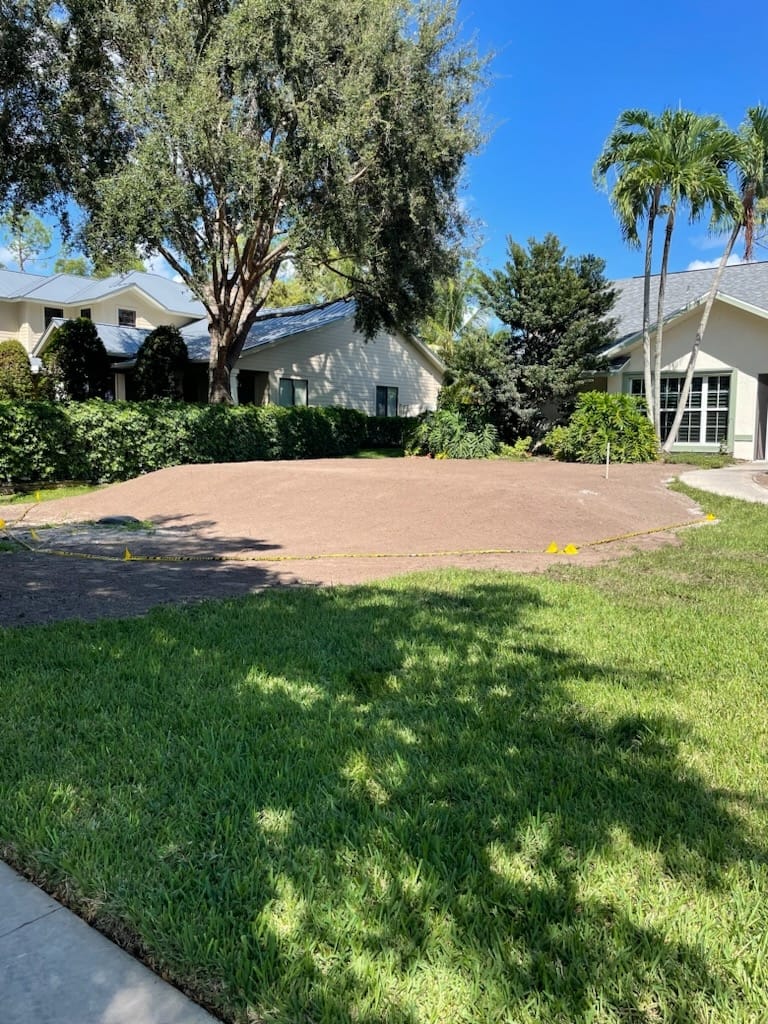
Cape Coral has a lawn challenge that is different from many other Florida markets: thousands of homes sit on canals, corner lots, cul-de-sacs, and waterfront streets where drainage, irrigation, sun exposure, and curb appeal all matter at the same time. A yard can look fine from the street but still have low spots near the seawall, sandy areas that dry too quickly, or thin turf where construction traffic, pets, shade, or sprinkler issues have worn the lawn down.
That is why Sod Installation in Florida for a Cape Coral canal home should not be treated like a simple “drop the pallets and roll it out” project. The best-looking results usually come from a few practical decisions before the sod arrives: picking the right grass for the conditions, correcting obvious grade problems, checking irrigation coverage, and planning delivery so the sod is installed while it is still fresh.
Below is a homeowner-focused checklist for replacing or installing sod around a Cape Coral canal property or similar Southwest Florida yard.
Why canal-home lawns need extra planning
Cape Coral canal lots often have more than one microclimate in the same yard. The front yard may get full sun and street visibility, while the backyard may have a pool cage, palms, boat dock access, seawall edges, and shaded side yards. Those conditions affect how new sod roots, how quickly it dries out, and where the lawn may thin again after installation.
Water movement is also a major factor. During heavy summer rain, low areas can hold water. During hot, dry stretches, sandy soil can lose moisture quickly. New sod needs consistent contact with prepared soil, but it should not sit in standing water for long periods. If the grade pushes water toward the house, pool deck, seawall, or a low corner, the lawn may struggle even if the sod itself is good quality.
Before investing in lawn replacement, walk the property after irrigation runs or after a normal rain. Mark areas that puddle, wash out, or dry faster than the rest of the yard. Those notes help determine whether the project needs light grading, soil cleanup, or drainage correction before sod installation.
Start with the purpose of the lawn
Not every Cape Coral lawn has the same goal. A homeowner getting ready to list a property may want fast curb appeal in the front yard. A full-time resident may care more about a durable backyard for kids, dogs, pool traffic, and weekend use. A waterfront owner may need clean edges around walkways, dock paths, or a seawall area.
The purpose matters because it shapes the installation plan. A curb-appeal project may focus on the most visible front and side sections first. A whole-yard replacement needs closer attention to access, pallet placement, irrigation zones, and timing. A backyard canal project may need extra care around pool decks, landscape beds, and narrow access paths.
Sunshine Sod can help homeowners think through whether Fresh Sod Delivery alone makes sense or whether professional installation is the better option for the property. If the site has uneven ground, old dead turf, weeds, construction debris, or tight access, installation support can prevent many of the common DIY problems that show up after the first few weeks.
Grass choice: match the sod to sun, irrigation, and use
Southwest Florida homeowners often compare St. Augustine, Bahia, and Zoysia when planning a new lawn. There is no single best sod for every Cape Coral yard. The better question is: what conditions does this specific property have?
St. Augustine
St. Augustine is widely used in Florida because it creates a dense, attractive lawn and can perform well in many residential settings when irrigation and maintenance are handled correctly. It is often considered for high-visibility yards where a thick, green look is the priority. Homeowners should still pay attention to pest pressure, mowing height, irrigation coverage, and shade conditions.
Bahia
Bahia is often considered when a homeowner wants a more utility-focused warm-season grass. It may be a fit for larger areas, lower-maintenance expectations, or properties where the lawn does not need the same manicured look as a front-entry showcase. It still needs proper establishment and mowing, and it will not hide poor grading or bad soil prep.
Zoysia
Empire Zoysia Grass Installation can be attractive for homeowners who want a finer-textured, dense lawn, but it should be matched carefully to the site and maintenance expectations. Like any sod choice, it performs best when the soil base, sun exposure, irrigation, and ongoing care match the grass being installed.
For Cape Coral canal homes, the right answer may even vary by section of the yard. A sunny front yard, a shaded side yard, and a high-traffic pool path may not behave the same way.
Check drainage before the sod truck arrives
New sod is not a drainage fix by itself. It can make a yard look finished, but it cannot solve a grade that traps water or directs runoff into the wrong place. Before installation, homeowners should look for:
- Low spots where water stands after rain
- Washed-out soil near downspouts, pool decks, or hardscape edges
- Areas where the grade slopes toward the house instead of away from it
- Bare sandy patches where water runs across the yard instead of soaking evenly
- Seawall or canal-edge sections where soil has settled or become uneven
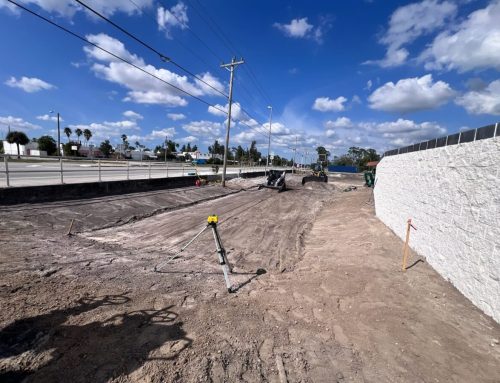
Some yards only need light leveling and soil preparation. Others may need more deliberate Cape Coral grading and site prep before sod is installed. The important point is to address obvious problems first. Installing fresh sod over a bad base usually means the same weak spots come back.
Irrigation coverage can make or break establishment
Fresh sod needs consistent moisture while it roots into the soil. In Cape Coral, irrigation coverage is especially important because hot sun, sandy soil, and windy conditions can dry sections of the lawn quickly. Before delivery, run each sprinkler zone and check for dry corners, blocked heads, overspray onto pavement, or heads that no longer reach the area they are supposed to cover.
The goal is not to flood the lawn. The goal is even moisture so the sod stays in contact with the soil while roots establish. Homeowners should also follow local watering rules and any current restrictions. If irrigation is unreliable, it is better to know that before sod is installed than to discover dry seams and stressed turf a few days later.
Delivery timing matters in Florida heat
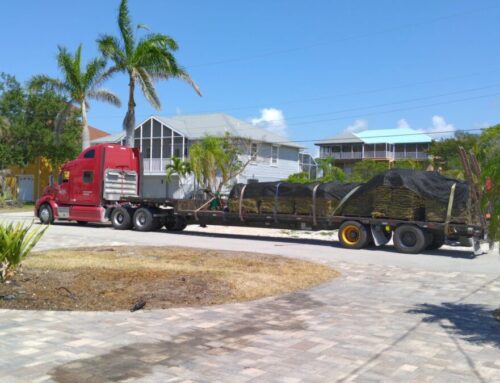
Sod is a living product. Once it is harvested and stacked, timing matters. Pallets should be placed where installers can access them efficiently, and the project should be planned so the sod is installed promptly rather than sitting in the sun. This is especially important during warm, humid Southwest Florida weather.
For canal homes with narrow side-yard access, pool cages, fences, or limited driveway space, delivery planning matters even more. Clear the work area, move vehicles, unlock gates, and identify where pallets can be placed without blocking neighbors, sidewalks, irrigation heads, or work access.
A simple homeowner checklist before installation
Before scheduling Cape Coral sod delivery or installation, walk the property and check these items:
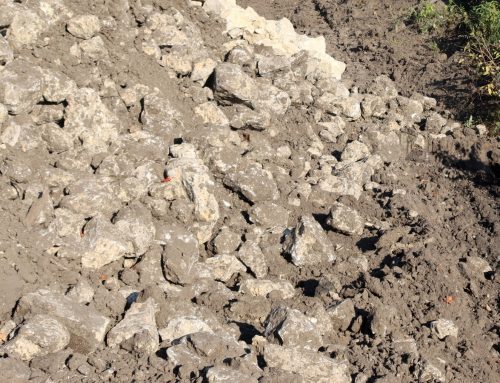
- Remove loose debris, rocks, dead turf, and old landscape material from the work area.
- Mark irrigation heads, valve boxes, drain covers, cable boxes, and shallow utilities.
- Note soggy spots, dry spots, and uneven areas that may need grading.
- Confirm sprinkler zones cover the entire new sod area evenly.
- Decide whether the goal is front-yard curb appeal, backyard usability, full replacement, or patch repair.
- Measure the area carefully so the sod order is close to the actual need.
- Plan access for pallets, wheelbarrows, installers, and cleanup.
- Schedule installation when the homeowner or property manager can monitor watering afterward.
This preparation does not need to be complicated, but it does prevent avoidable problems.
When professional installation is worth it
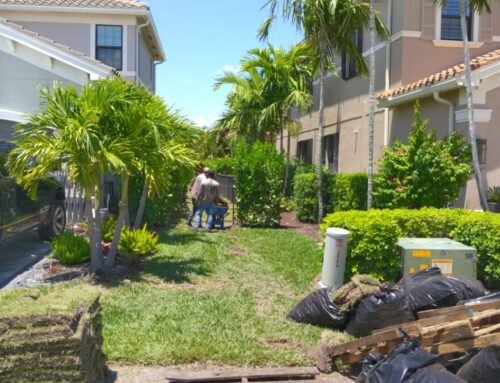
DIY sod can work for small, simple areas. But professional sod installation is often worth considering when the lawn is large, uneven, highly visible, or difficult to access. Cape Coral canal homes can have tight side yards, pool decks, landscape borders, seawall edges, and irrigation obstacles that make the work more detailed than it first appears.
A professional crew can help with removal, soil preparation, layout, seams, edge cuts, and efficient installation. Homeowners comparing crew-supported projects can also review Sunshine Sod’s Residential Sod Installation in Florida service. That matters because sod that sits too long, goes down over debris, or fails to make firm soil contact is more likely to struggle.
Related Sunshine Sod Resources
- Sod Installation in Florida
- Fresh Sod Delivery
- Cape Coral Grading & Site Prep
- Topsoil and Grading Services
- Why Topsoil and Grading Matter Before Sod Installation in Florida’s Rainy Season
- How Long Should You Water New Sod in Florida?
- Contact Sunshine Sod
Ready to improve a Cape Coral lawn?
If your Cape Coral canal home has thin turf, bare patches, drainage concerns, or curb appeal issues, fresh sod can make a major visual difference when the site is prepared correctly. Sunshine Sod helps Southwest Florida homeowners with sod delivery and installation options based on the condition of the yard, the grass type, and the project goals.
For the best result, do not wait until the lawn is completely gone. Walk the property, check irrigation, note drainage issues, and schedule sod delivery or installation with enough time to prepare the yard first. A cleaner base gives new sod a better chance to root evenly and look finished from the street, the pool deck, and the canal side of the home.