
Florida’s rainy season can make a weak lawn problem obvious fast. Low spots hold water, thin grass turns muddy, and newly installed sod can struggle if the soil underneath is compacted or uneven. For homeowners planning a lawn replacement, the best time to solve those problems is before the pallets arrive.
Sunshine Sod helps Florida homeowners and property managers prepare lawns for clean, healthy installation with services like Topsoil and Grading Services, Sod Installation in Florida, and Fresh Sod Delivery. Here is what to know before you schedule new sod during wet-season weather.
Why rainy season exposes lawn grading problems
A yard can look mostly level in the dry season, then reveal drainage issues after the first hard afternoon storm. Water naturally moves toward the lowest points. If those low areas sit near walkways, driveways, patios, downspouts, or the foundation, the result can be standing water, soft soil, rutting, and uneven turf growth.
New sod needs moisture, but it does not need to sit in puddles. Too much trapped water can reduce oxygen around the roots, slow establishment, and create conditions where sections of sod yellow, float, shift, or fail to knit into the soil.
What topsoil does for a new Florida lawn
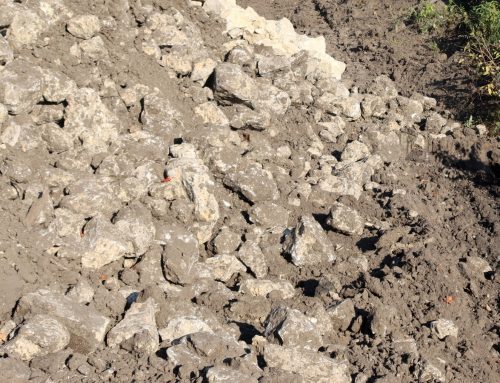
Quality topsoil helps create a more consistent root zone for new turf. In many Florida yards, the existing surface may include compacted fill, sand, construction debris, old roots, or thin patches where previous grass declined. Adding and blending the right amount of soil can help smooth minor uneven areas and give fresh sod better contact with the ground.
Topsoil is not a shortcut for major drainage correction, but it is often part of a better installation plan. If the soil grade is inconsistent, Sunshine Sod can evaluate whether a lawn needs light leveling, low-spot correction, or more complete preparation before installation.
How grading protects sod after installation
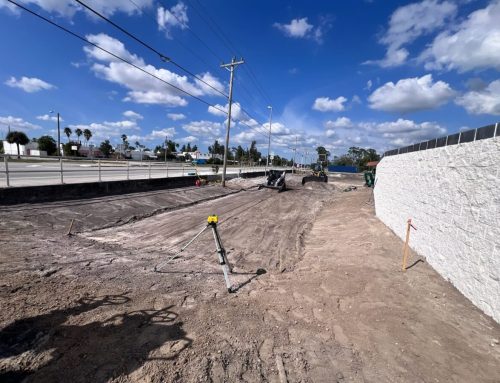
Grading is the process of shaping the soil surface so water moves where it should. For residential lawns, that usually means reducing dips, smoothing transitions, and encouraging stormwater to move away from problem areas instead of sitting under the turf.
Good grading supports better sod-to-soil contact. That matters because new sod establishes from the bottom up. If the underside of the sod is touching air pockets, clumps, or uneven soil, the roots cannot connect evenly. A smoother prepared base makes watering more predictable and helps the finished lawn look cleaner from day one.
Signs your yard may need grading before new sod
- Water pools for hours after typical Florida storms.
- Existing turf is thin or dead in the same low areas every season.
- The yard feels soft, rutted, or uneven when you walk across it.
- Downspouts or hard surfaces send water into the lawn with nowhere to go.
- Previous sod or seed attempts failed in patches even with watering.
- You see bare soil washouts after heavy rain.
If only a small area is damaged, a full replacement may not be necessary. Sunshine Sod also offers Florida Lawn Patch Repair for targeted lawn damage and smaller problem sections.
Best timing for sod installation during rainy season
Rain can help reduce irrigation demand, but timing still matters. Fresh sod should be installed on a prepared surface, not on saturated soil that is too soft to work cleanly. If heavy storms are expected, it may be better to prepare the lawn, monitor conditions, and schedule delivery and installation when crews can place the sod without creating ruts or muddy seams.
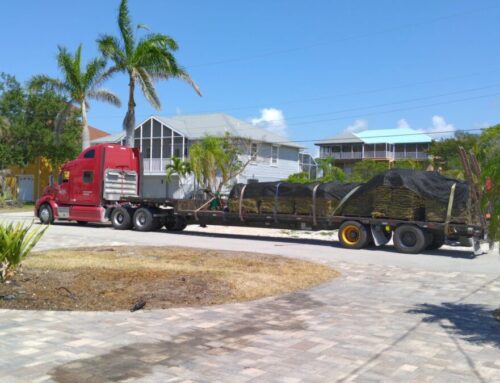
Because sod is a living product, coordination matters. A professional plan connects soil preparation, delivery timing, installation, and the first watering schedule so the grass is not sitting too long before it is laid.
What homeowners should do before requesting an estimate
Walk the yard after a rain
Take note of where water sits, where soil washes out, and where old grass is weakest. Photos can help explain the issue when you request a quote.
Check irrigation coverage
Rainy season does not eliminate the need for careful watering after installation. Uneven irrigation can still cause dry corners and overwatered low spots. Sunshine Sod’s Sod Maintenance Tips can help homeowners understand post-installation care basics.
Plan for access
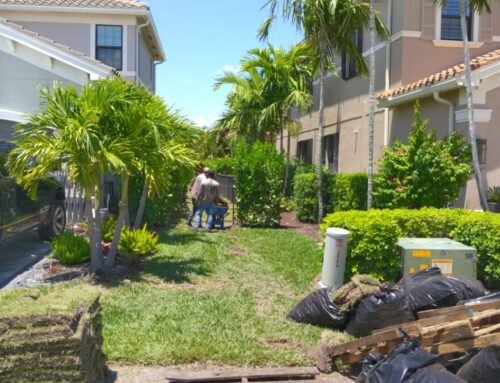
Sod delivery and installation are smoother when crews can access the work area, place pallets efficiently, remove old turf if needed, and shape the soil before the new grass is installed.
Related Sunshine Sod Resources
- Topsoil and Grading Services for uneven lawns, low spots, and soil preparation.
- Sod Installation in Florida for full-service lawn replacement.
- Fresh Sod Delivery when you need fresh-cut sod coordinated with your project schedule.
- Florida Lawn Patch Repair for smaller damaged areas.
- Lawn Sod Replacement for Florida Homes With St. Augustine Grass Issues for more Florida lawn planning tips.
- HOA Lawn Violation in Southwest Florida? When New Sod Is the Fastest Curb Appeal Fix for more Florida lawn planning tips.
FAQ: Topsoil, grading, and Florida sod installation
Do I always need new topsoil before sod installation?
No. Some lawns only need cleanup and preparation, while others benefit from topsoil or grading. The right approach depends on soil condition, elevation changes, compaction, and drainage.
Can sod be installed during Florida’s rainy season?
Yes, but the lawn should be prepared correctly and installation should be timed around extreme storms when possible. Rain can help with moisture, but saturated soil and standing water can create problems.
Will grading fix every drainage issue?
Grading can improve many surface-level drainage problems, but severe drainage concerns may require additional solutions. Sunshine Sod can help identify whether lawn preparation is enough for the project.
How soon should I water after sod is installed?
Fresh sod needs prompt watering after installation, but the exact schedule depends on weather, turf type, soil conditions, and irrigation coverage. Follow project-specific instructions and adjust for rainfall.
Ready to prepare your lawn the right way?
If your yard has low spots, washouts, compacted soil, or standing water, do not cover the problem with new grass and hope it disappears. Contact Sunshine Sod to discuss topsoil, grading, fresh sod delivery, and professional installation for your Florida property.