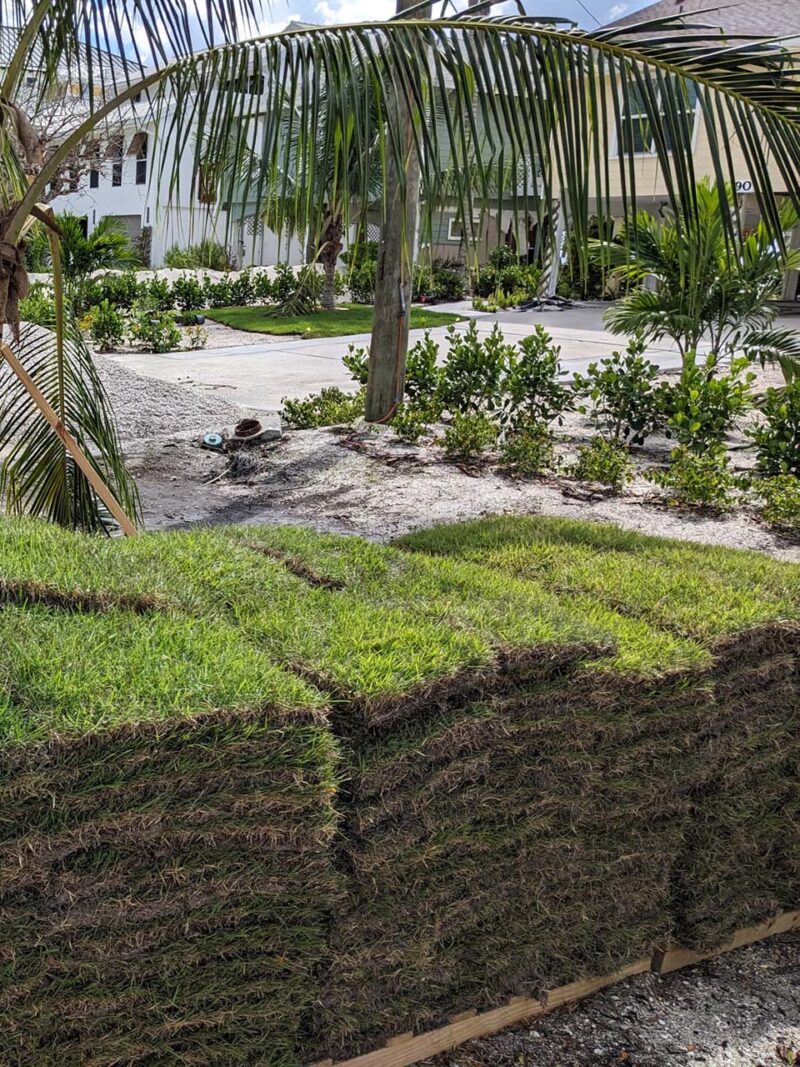

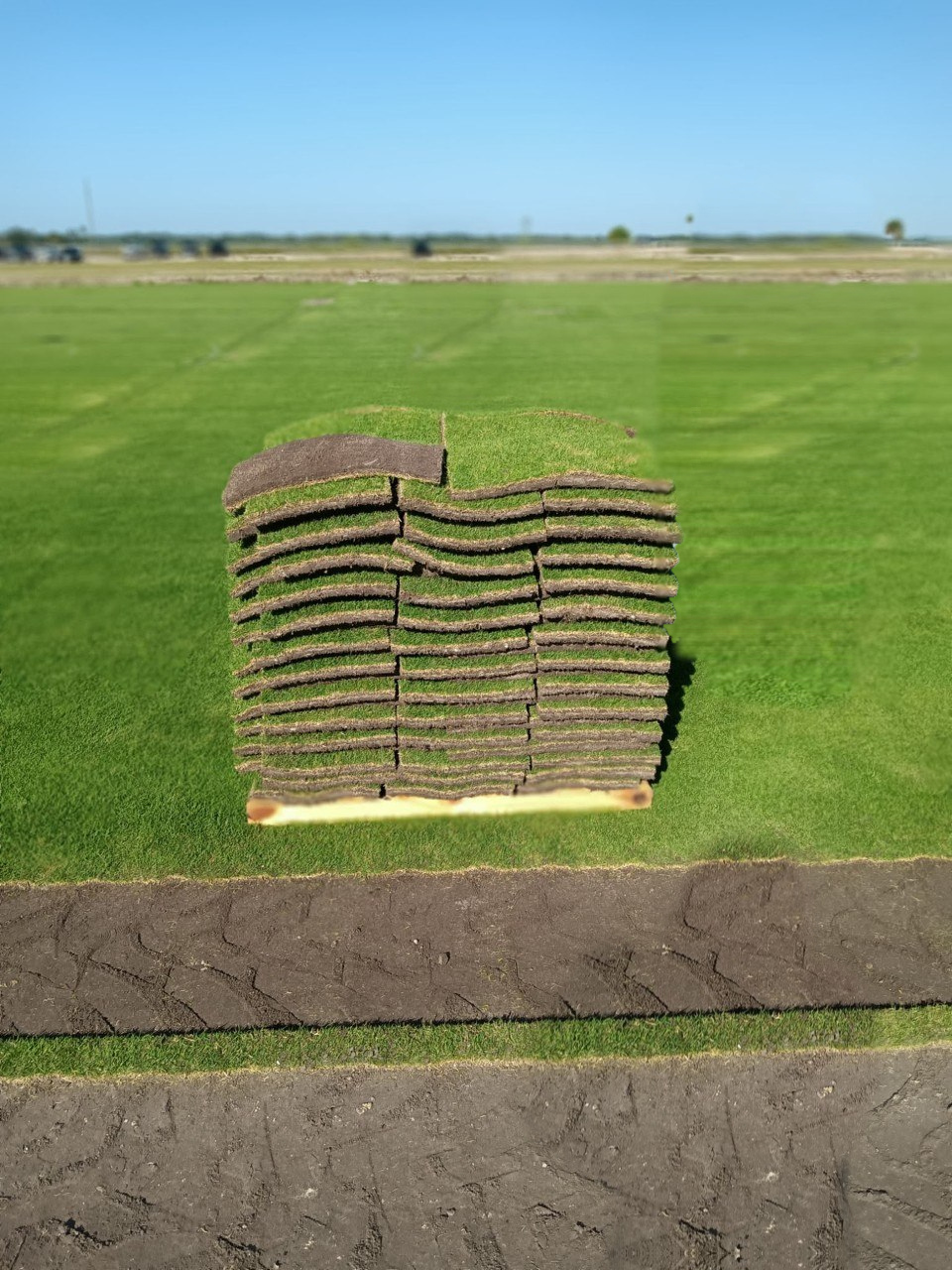
Is Bermuda the right sod for your property?
Bermudagrass is a warm-season turfgrass used in Florida lawns, athletic fields and other closely maintained landscapes. Its spreading growth helps build a dense turf surface. Fine-textured types have narrow blades, although leaf texture and maintenance needs vary by cultivar. A photo alone cannot identify the variety you will receive. [1]
A good reason to consider it
- An open lawn with plenty of direct sunlight.
- An active yard where wear tolerance and the ability to regrow matter.
- A preference for a fine-bladed, closely maintained appearance.
- A property with a realistic plan for mowing, watering and turf care.
Think carefully if you have
- Heavy tree shade or buildings that block much of the sun.
- A goal of minimal mowing or a low-input landscape.
- Concentrated, continuous traffic with little time for turf to recover.
- Landscape beds where spreading runners would be difficult to contain.
Match the grass to the site rather than choosing on appearance alone. Review sunlight across the day, drainage, irrigation coverage, expected use and any HOA requirements before ordering. Compare other options in our Florida sod varieties guide.
Why Bermuda is known for wear tolerance and recovery
Durability, thin blades and fast recovery are the qualities our team highlights when discussing Bermuda. UF/IFAS describes bermudagrass as having excellent wear tolerance and vigorous growth through both aboveground runners, called stolons, and underground stems, called rhizomes. That growth is part of what allows healthy turf to fill back into worn areas. [1]
Wear tolerance and recovery are not the same as being damage-proof. Bermuda can be a useful choice for active lawns and sports settings, but recovery depends on the cultivar, active growing conditions, sunlight, water, nutrition and appropriate mowing. Constant use of the same narrow path can still thin the turf. Newly laid sod should be protected while it roots; it is not ready for heavy play simply because the ground is covered.
Sports fields also depend on sound construction, drainage and a maintenance program suited to the activity. A grass commonly used on athletic fields does not make every residential installation a sports-ready surface. Tell us whether your project is an everyday lawn, a play area or a managed athletic space so the discussion starts with the actual use.
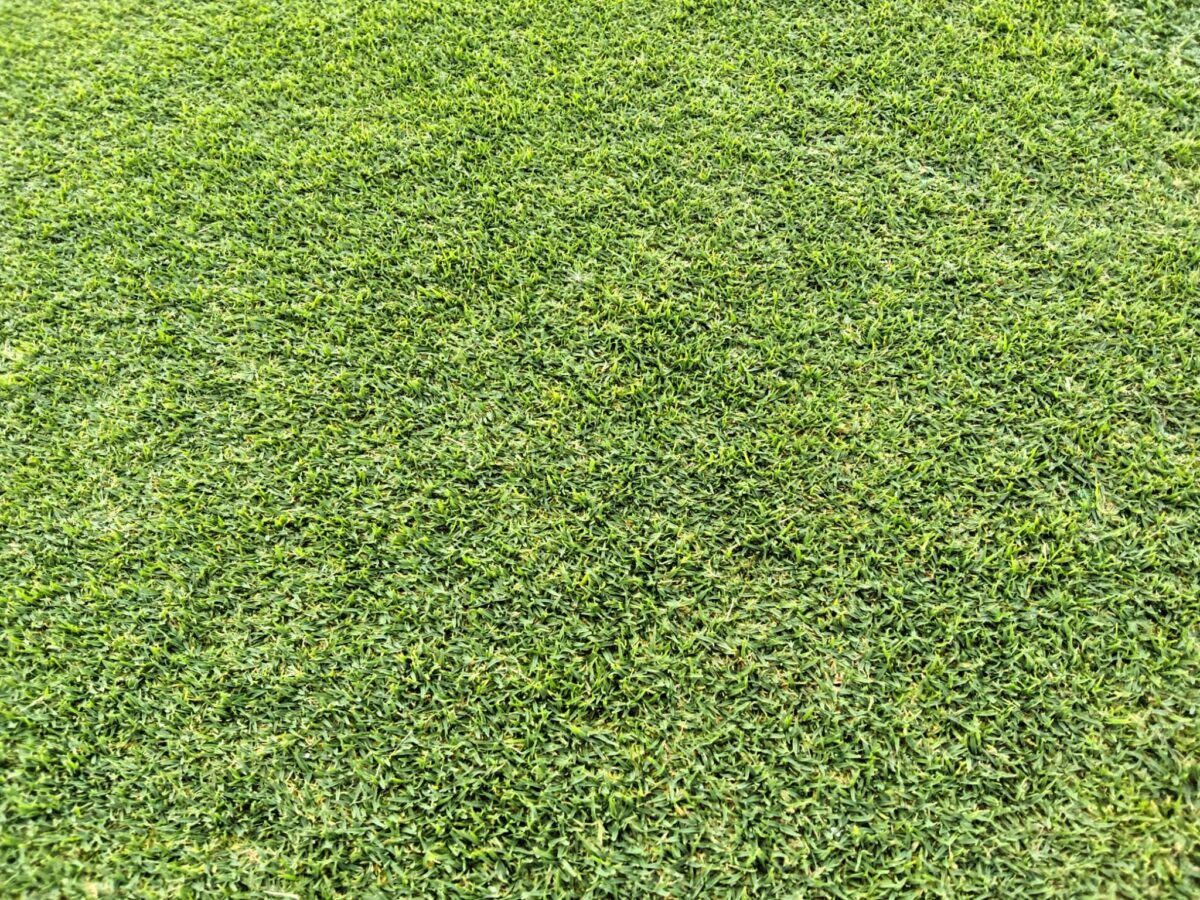
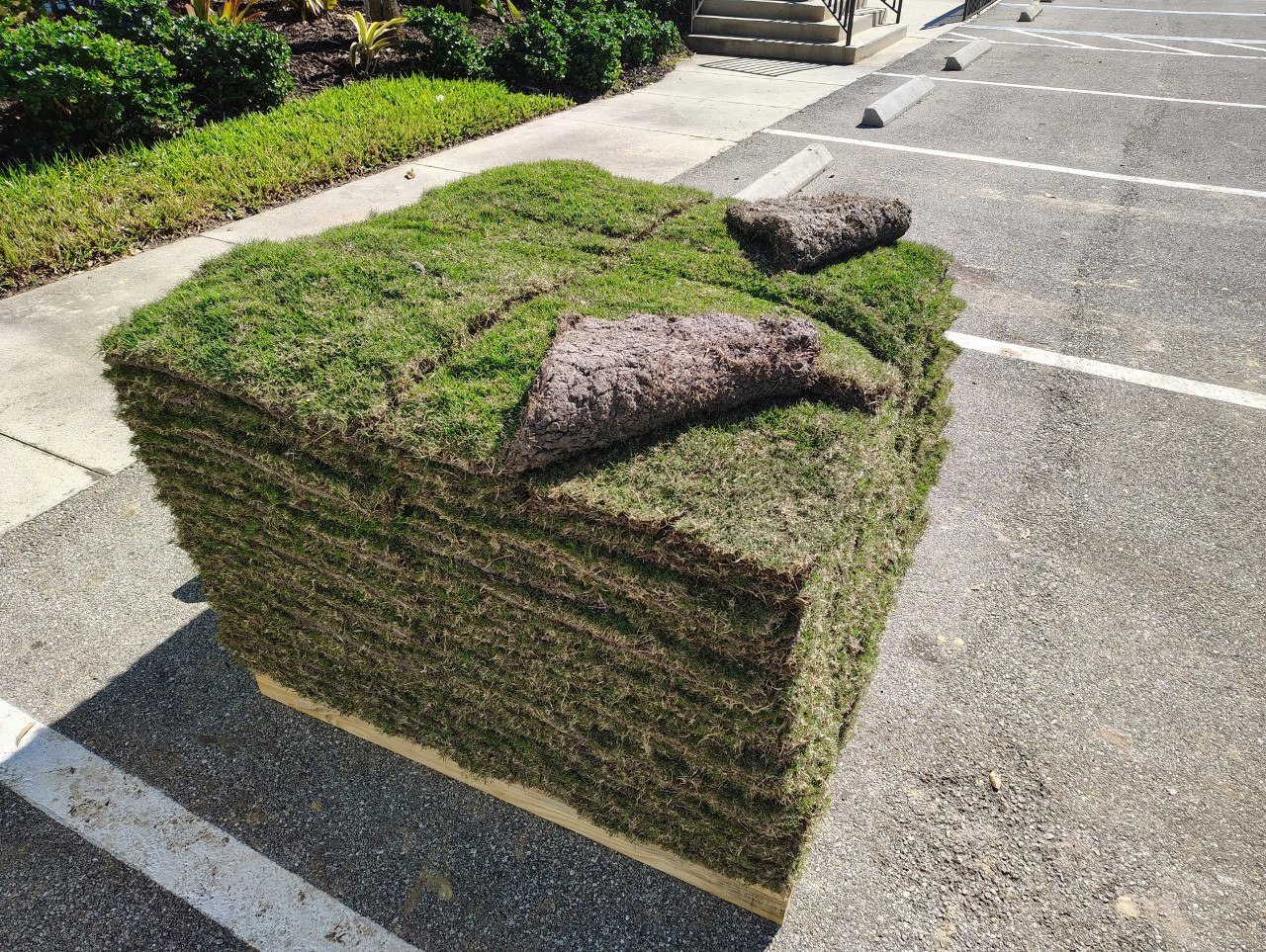
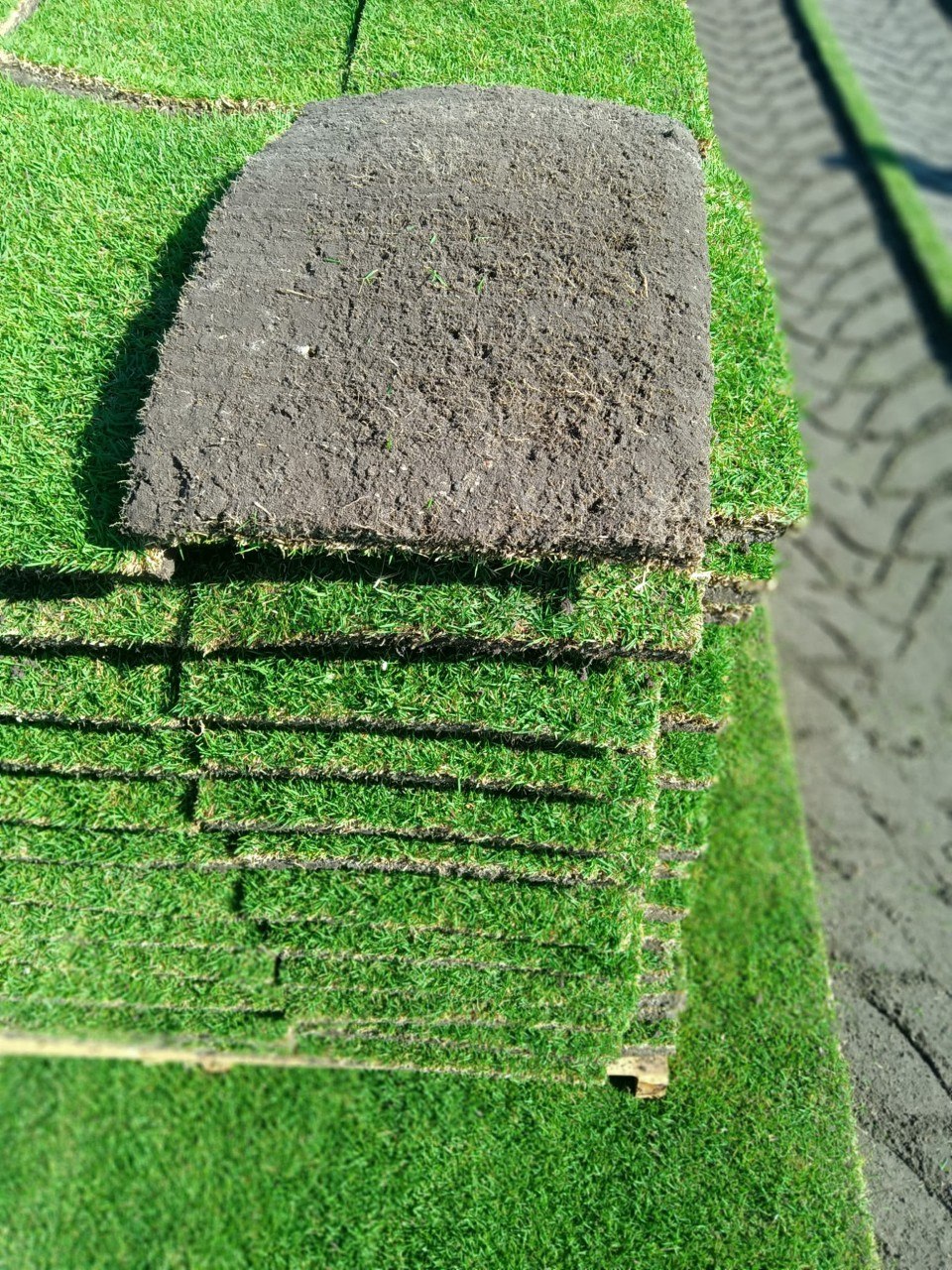
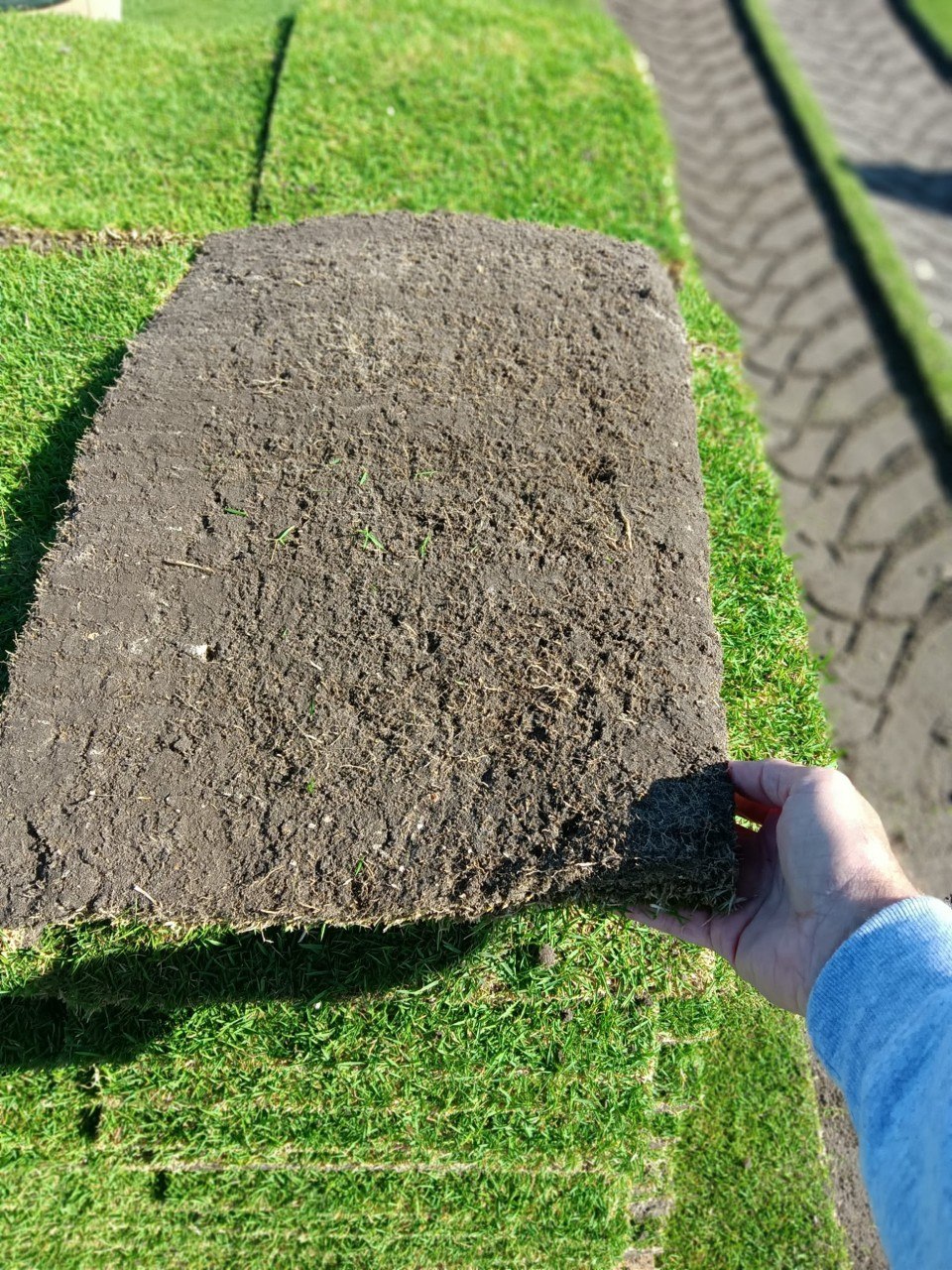
A closer look at Bermuda sod
The care that supports a strong Bermuda lawn
Give it the sun it needs
Bermudagrass generally has poor shade tolerance. Plan for a sunny site rather than treating it as a fix for thin grass beneath trees. Cultivars differ, but modest differences in shade response do not make Bermuda a deep-shade lawn grass. [1]
Choose a mowing plan before you choose the grass
Regular mowing is central to Bermuda’s appearance. UF/IFAS describes 1–2 inches under low to moderate management, which may require mowing one or two times a week during active growth. The right height and equipment depend on the specific cultivar and use. Fine-textured turf maintained below 1 inch generally calls for a reel mower and a more demanding maintenance program—not simply a lower setting on any mower. [1]
Avoid removing more than one-third of the leaf blade in a single mowing. Adjust frequency to growth rather than allowing the grass to get tall and then scalping it. Confirm cultivar-specific mowing guidance when you order.
Establishment watering is different from long-term care
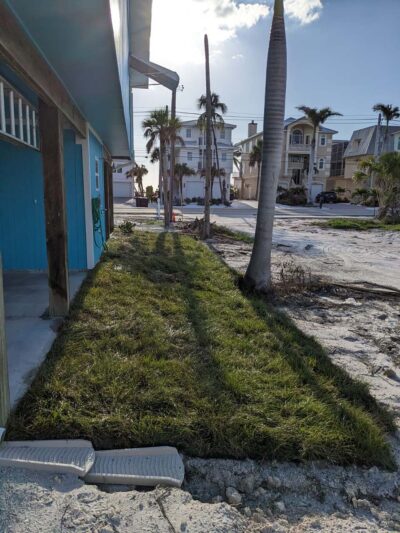
New sod needs good contact with prepared soil and careful watering while roots develop. Keep traffic off during establishment and check rooting before mowing. Once established, irrigation should respond to the turf’s needs, rainfall and soil conditions while following local watering rules. Drought tolerance is not a promise of a continuously green lawn without water: Bermuda can brown and become dormant during drought. [1]
For planning details, see our sod preparation guide and Florida new-sod watering guide.
Expect maintenance beyond mowing
Vigorous spreading growth is useful for recovery, but it can also invade landscape beds and contribute to thatch buildup. Plan for edge control and watch for thatch, insects, disease and nematode damage. Fertilizer decisions should follow the grass’s needs, UF/IFAS guidance and local restrictions; extra fertilizer is not a substitute for adequate sunlight or correct mowing. Cold weather can also reduce growth and brown the turf. [1]
Bermuda is a grass group—not a single cultivar
This page covers Bermuda sod generally. Common and hybrid bermudagrasses differ in texture, mowing requirements and other traits. Do not assume a particular cultivar from the product name or photographs.
Looking specifically for Celebration? Read our existing Celebration Bermudagrass page for that named variety, then confirm the exact sod being quoted. The general Bermuda listing here does not promise that every order is Celebration or any other specific cultivar.
Bermuda sod questions, answered
Does Sunshine Sod sell Bermuda sod?
Yes. Contact Sunshine Sod about your project. Confirm the exact cultivar, quantity, current price, availability and fulfillment arrangements before ordering.
Is Bermuda a good choice for heavy foot traffic?
Its wear tolerance and vigorous regrowth make it worth considering for active sunny areas. It still needs proper care and recovery time, and new sod must establish before heavy use. Continuous concentrated traffic can damage any lawn.
Will Bermuda work in a shaded yard?
Generally, Bermuda is a poor choice for substantial shade. Evaluate the actual sunlight and compare other grasses before committing to it.
Is this the same as Celebration Bermuda?
Celebration is one named bermudagrass cultivar. This is a general Bermuda product page; confirm the cultivar included in your quote rather than assuming they are interchangeable.
How much does Bermuda sod cost?
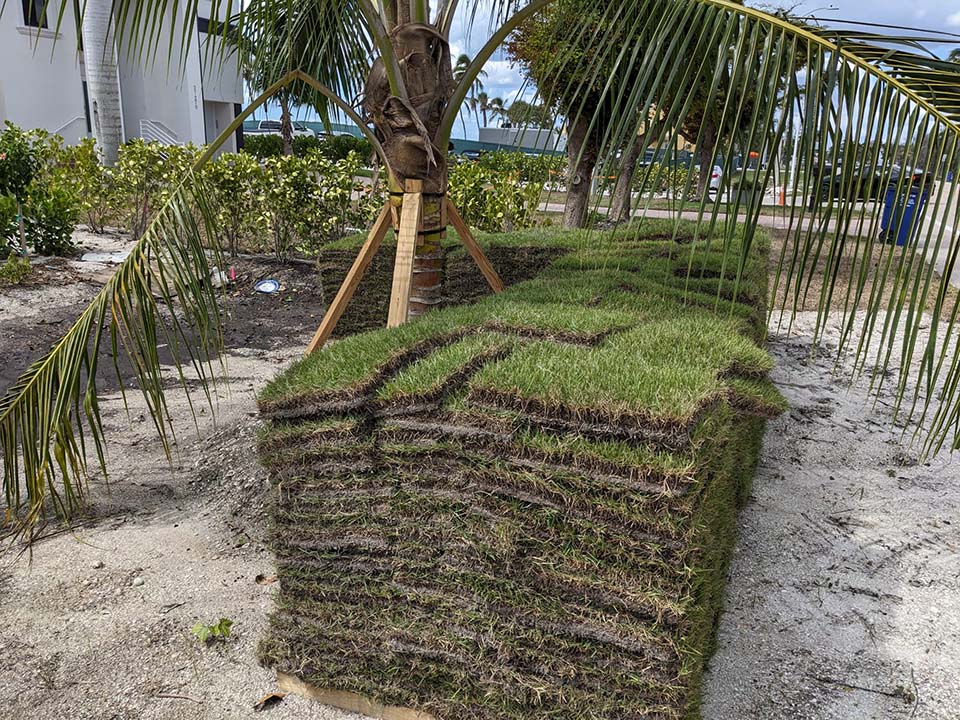
Request current pricing for your property. Share your city or ZIP code, approximate area and intended use. Confirm quantity and ordering arrangements with Sunshine Sod; the photos do not establish pallet coverage, package size or current stock.
Is Bermuda a low-maintenance grass?
Not necessarily. A fine-textured Bermuda lawn can require frequent mowing and an attentive care program. The cultivar, mowing height, site and desired finish all affect maintenance.
Helpful UF/IFAS guidance
General agronomy and maintenance guidance is drawn from the University of Florida’s Extension publication below. Site-specific and cultivar-specific recommendations should guide your final care plan.
Let’s talk about Bermuda for your property
Share your location, approximate lawn area, sun conditions and how the space will be used. We’ll discuss the fit and confirm the details before you order.
Request Bermuda Sod PricingCall (239) 451-4930Photos supplied by Sunshine Sod. The field-and-pallet photo was edited to remove people and their shadows.