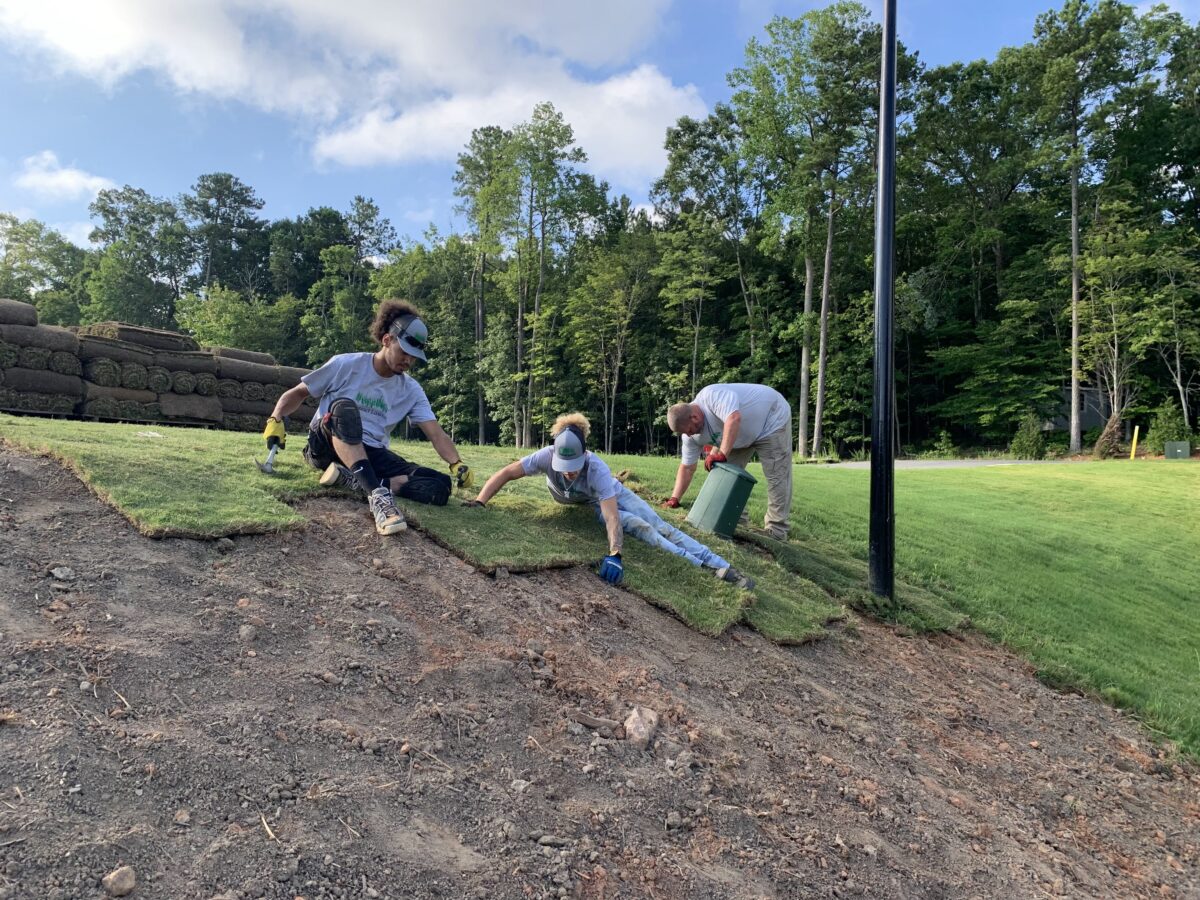
Southwest Florida’s rainy season can be a good time to replace a tired lawn, but it is not as simple as waiting for afternoon storms to do the watering for you. New sod still needs firm soil contact, smart timing, workable access for delivery, and enough drainage to keep roots from sitting in water. If those pieces are handled correctly, summer rain can support establishment. If they are ignored, the same rain can expose low spots, wash soil away, or leave fresh sod soft and uneven.
For homeowners in Cape Coral, Fort Myers, Lehigh Acres, Bonita Springs, Estero, Naples, and nearby communities, the question is usually not “Can I install sod in the rainy season?” The better question is “Is my yard ready for sod before the next heavy rain?”
Why rainy season sod installation can work in Southwest Florida
Warm-season grasses used in Florida lawns, including St. Augustine, Bahia, and Zoysia, are actively growing during the warmer months. That active growth helps sod knit into the soil when the site is prepared properly. Regular rain can also reduce the amount of supplemental irrigation needed compared with a dry stretch.
The advantage is real, but it has limits. Sod does not root into standing water, compacted construction debris, or loose soil that shifts under every storm. Rain helps after the sod is installed correctly; it does not fix poor grading or rushed preparation.
The biggest rainy-season risk: drainage problems hiding in plain sight
A yard can look “flat enough” during dry weather and still hold water once daily storms begin. Before replacing the lawn, watch how the property drains after a heavy rain. Areas near downspouts, seawalls, patios, pool decks, driveways, and side yards often reveal the real problem.
Common warning signs include:
- Water still sitting in the lawn several hours after rain stops
- Muddy tire ruts or footprints that do not firm back up
- Bare patches where runoff cuts through the yard
- Low areas along patios, walkways, or the foundation
- Old grass that thins out in the same wet spots every year
If those issues are present, simply laying new sod over the same grade usually creates a short-term improvement, not a durable lawn. The better approach is to correct the low areas, smooth the surface, and make sure water has a reasonable path away from the house and hardscape before the sod arrives.
Soil preparation matters more when storms are frequent
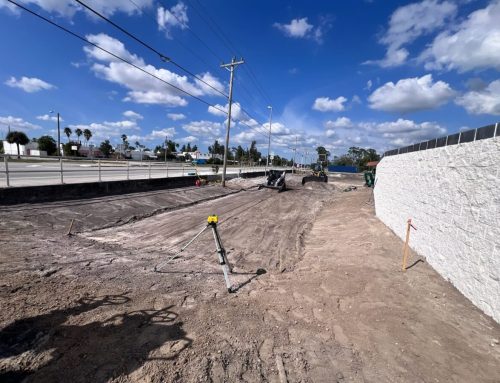
Rainy-season installations reward good prep and punish shortcuts. The goal is a firm, smooth, clean soil surface so the sod roots can make direct contact with the ground.
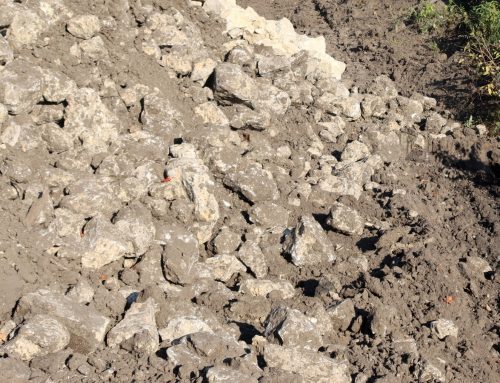
Before installation, the old lawn, weeds, rocks, and loose debris should be removed. The area should be graded so there are no obvious dips or humps. Soil should be firm enough to walk on without sinking, but not so compacted that roots cannot move into it. If the site has construction fill, shell, hardpan, or a history of drainage trouble, extra preparation may be needed.
This step is especially important for new-construction homes in Southwest Florida. Builders often leave yards with compacted soil, uneven fill, and irrigation zones that need adjustment before a finished lawn can perform well. Fresh sod can make a new house look complete quickly, but the base underneath still has to be right.
Delivery timing: do not let sod sit through heat and storms
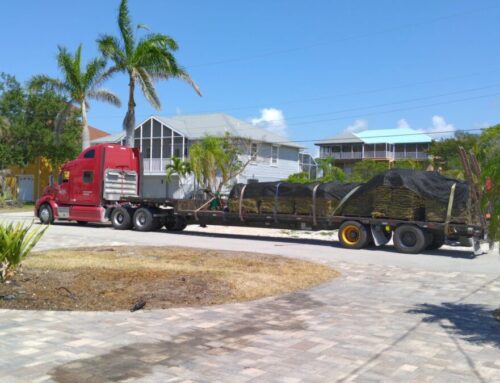
Fresh sod is perishable. During Florida summer heat, pallets should be installed as quickly as practical after delivery. Leaving sod stacked on a driveway while rain delays the job can create heat stress inside the pallet and weaken the grass before it is even placed.
A good rainy-season plan keeps delivery and installation tightly coordinated. If a major storm system is expected, it may be better to adjust the schedule than to force a delivery into a site that is too wet to work. Afternoon showers are normal; flooded access, saturated soil, or lightning delays are different.
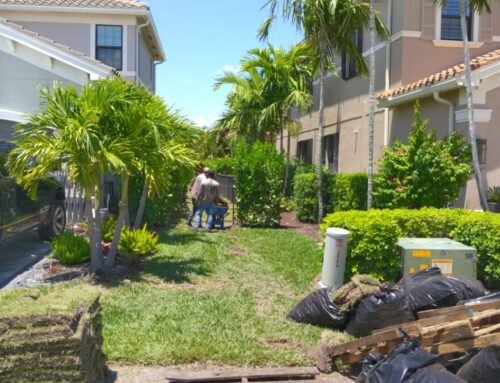
For homeowners ordering sod delivery, make sure there is a clear place for the truck to unload and a plan to move the material without damaging driveways, irrigation heads, pool decks, or soft side yards.
Watering new sod when it is already raining
One of the most common mistakes during rainy season is assuming the irrigation system can be turned off completely. Rainfall is uneven in Southwest Florida. One neighborhood may get a strong afternoon storm while another gets almost nothing. Even on a rainy day, edges, corners, slopes, and areas near pavement can dry faster than expected.
New sod should be kept consistently moist during the early establishment period, but not drowned. That means homeowners should watch the lawn and adjust irrigation around actual conditions. If storms provide enough moisture, supplemental watering can often be reduced. If rain misses the property, the irrigation schedule still matters.
Also check sprinkler coverage before the installation, not after brown edges appear. Heads blocked by new grade, broken nozzles, or poor coverage patterns can create dry seams in an otherwise healthy lawn.
Choosing the right sod type for rainy-season conditions
Grass selection should match how the yard will actually be used. St. Augustine is popular in many Florida neighborhoods and can establish quickly, but it still needs appropriate watering and pest monitoring. Bahia can make sense for large, sunny areas where a lower-input look is acceptable. Zoysia may fit certain curb-appeal goals, but it has its own maintenance expectations.
The right answer depends on sun, shade, traffic, irrigation, HOA standards, soil conditions, and budget. A shaded side yard, a sunny corner lot in Cape Coral, and a pool backyard in Fort Myers should not automatically get the same recommendation.
After installation: what to watch during the first few weeks
The first few weeks determine whether rainy-season sod becomes a clean new lawn or a patchy repair project. After installation, avoid heavy foot traffic while the sod is rooting. Keep vehicles, trailers, and construction crews off the lawn. Monitor seams, edges, and corners closely because they dry or shift first.
If a section feels spongy, smells sour, or stays saturated long after rain, that may be a drainage issue. If edges curl or turn gray-green during a dry stretch, the sod may need more moisture. If weeds or old grass push through quickly, the site may not have been cleared thoroughly enough.
A little observation early can prevent bigger repairs later.
When to call Sunshine Sod before replacing the lawn
Rainy season is not a reason to avoid sod installation, but it is a reason to plan the job carefully. Sunshine Sod can help homeowners think through sod delivery, installation timing, grass selection, soil preparation, and whether low or wet areas should be addressed before new sod goes down.
If your Southwest Florida lawn is thin, storm-damaged, full of weeds, or not matching the curb appeal of the home, the next step is a site-specific recommendation. Sunshine Sod can help you decide whether the yard is ready for sod now, whether grading or prep should happen first, and what type of sod makes sense for your property.
Contact Sunshine Sod to plan sod delivery or installation in Cape Coral, Fort Myers, Naples, and surrounding Southwest Florida areas before the next round of storms turns a lawn problem into a bigger project.
Related Sunshine Sod Resources
If you are planning sod around summer storms, these Sunshine Sod resources can help you move from research to a quote-ready plan:
- Sod Installation in Florida for the full delivery-and-installation process.
- Sod Delivery in Florida to coordinate fresh pallets close to install time.
- Topsoil and Grading Services when low spots or sandy soil need correction before sod.
- Grading Before Sod Installation for drainage-first planning before heavy rain.
- Standing Water Before Sod Installation in Florida for a related rainy-season drainage checklist.
- Sod Maintenance Tips for watering and early care after installation.
- Contact Sunshine Sod when you are ready to schedule sod delivery, grading help, or installation.