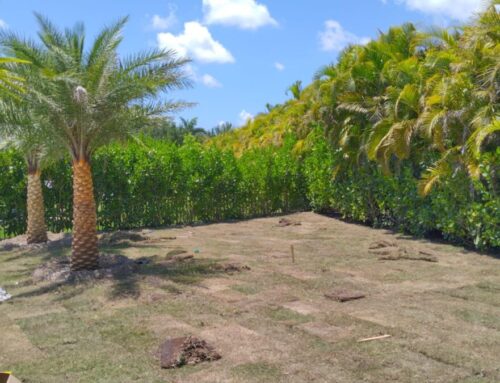
Standing water is one of the clearest signs that a Florida yard needs prep work before new sod goes down. Fresh sod can transform a bare or patchy lawn quickly, but if the soil stays soggy after normal rain, the new roots may struggle before they ever knit into the yard.
For homeowners in Sarasota, Bradenton, Parrish, Venice, North Port, Tampa Bay, and other Southwest Florida service areas, the best result usually starts with a simple question: should the yard be graded before sod installation? This guide explains what to look for, when topsoil and grading matter, and how to plan the project so new grass has a better chance to root evenly.
Why Standing Water Matters Before New Sod
New sod needs moisture, but it also needs oxygen around the roots. When water sits on top of the soil for hours or days, the lawn can become soft, uneven, and prone to root problems. Low spots can also collect grass clippings, leaves, and sediment that smother young turf.
If the yard already has puddles, ruts, or soil that feels spongy underfoot, ordering pallets first may not solve the real problem. A better buyer path is to pair Sod Installation in Florida with the right prep work so the new lawn is installed on a stable surface.
Common Causes of Water Pooling in Florida Lawns
Low Spots Around Patios, Driveways, and Walkways
Hardscape edges often create small bowls where runoff collects. This is common after pool work, paver projects, driveway repairs, or years of soil settling.
Compacted Soil From Construction or Heavy Use
New construction lots, equipment paths, and high-traffic side yards can compact the ground. Compacted soil sheds water instead of letting it move through the root zone.
Poor Slope Away From the Home
The lawn should generally move water away from structures and toward appropriate drainage areas. If the slope is wrong, sod may hide the issue briefly, but rain will reveal it again.
Thin or Uneven Topsoil
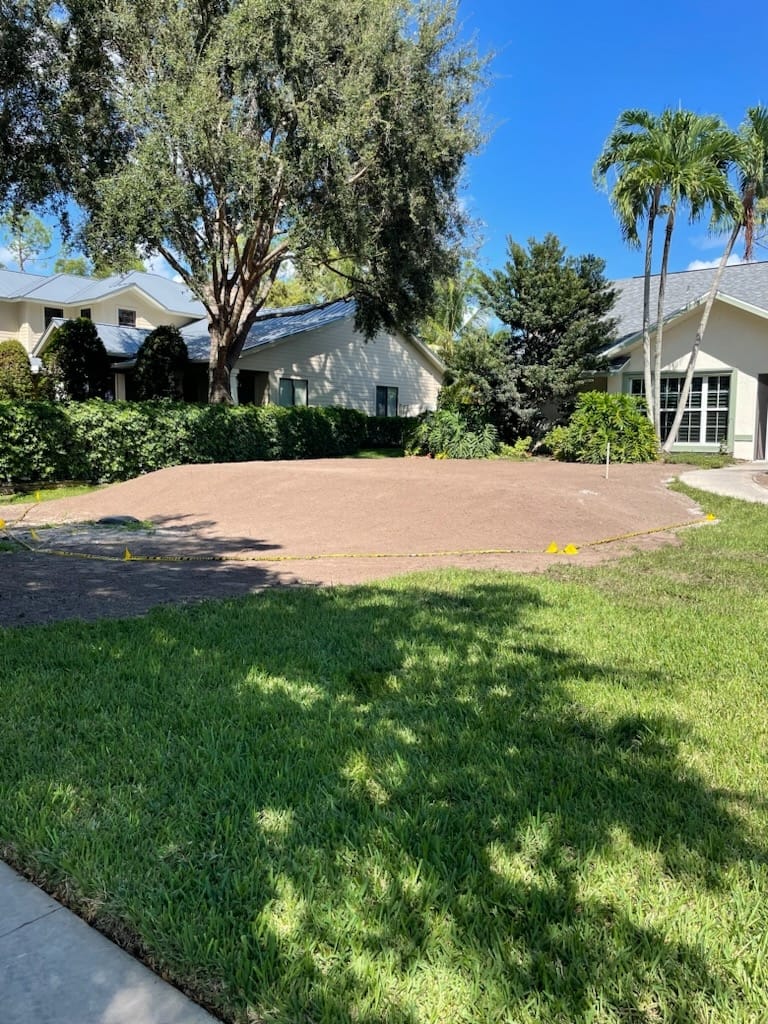
Some yards need clean topsoil to smooth the surface and improve the installation bed. Sunshine Sod can help homeowners think through Topsoil and Grading Services before the sod arrives.
When to Grade Before Sod Installation
Consider grading before sod if you see any of these warning signs:
- Puddles remain long after a normal afternoon storm.
- The mower scalps some areas and sinks into others.
- Water runs toward the house, garage, patio, or pool deck.
- Old sod failed in the same low or soggy areas.
- You can see tire ruts, construction tracks, or washed-out soil.
Grading does not need to be complicated for every lawn. Sometimes the fix is a light topsoil adjustment and smoothing. Other times, the yard needs more detailed prep before installation. The key is to address the surface before covering it with new grass.
How Sod Delivery and Grading Work Together
Sod is a perishable, living product. The schedule works best when the yard is ready before the truck arrives. If the lawn still needs soil work, it is usually smarter to handle that first and then coordinate Fresh Sod Delivery for the installation window.
That sequence helps reduce delays, keeps pallets from sitting too long, and gives installers a cleaner surface to work with. It also helps homeowners avoid paying for new grass only to discover the same low spots after the next rain.
What About Artificial Turf or Problem Areas?
Some homeowners use synthetic turf in small, high-use, or difficult-to-maintain areas while keeping natural sod across the main lawn. If a side yard, pet area, or shaded access path keeps failing, compare natural sod prep with Turf Installation before deciding on the best surface.
Best Time to Fix Drainage and Install Sod in Florida
Florida lawns can be installed during much of the year, but rainy-season timing makes prep especially important. Afternoon storms can expose low spots quickly. If you are planning a curb-appeal upgrade, a listing photo deadline, or post-construction lawn repair, inspect the yard after rain before scheduling the work.
Homeowners can also review Sunshine Sod’s Sod Installation Guide and Sod Maintenance Tips to understand watering, rooting, and early care expectations after installation.
Related Sunshine Sod Resources
- Sod Installation in Florida
- Fresh Sod Delivery
- Topsoil and Grading Services
- Turf Installation
- Bahia Sod for Large Sunny Yards in Southwest Florida: When It Makes Sense
- Storm-Damaged Lawn? When Sod Replacement Makes Sense in Southwest Florida
- Contact Sunshine Sod
FAQ: Standing Water and New Sod
Can I install sod over a wet or low area?
It is better to fix the low or poorly draining area first. Sod may cover the spot temporarily, but standing water can weaken new roots and create uneven growth.
Do I always need grading before sod installation?
No. Many lawns only need normal site prep. Grading becomes more important when the yard has visible low spots, compacted soil, slope issues, or recurring puddles.
Should topsoil be added before sod?
Topsoil can help smooth uneven areas and create a better installation surface when existing soil is thin, rutted, or inconsistent. The right amount depends on the yard.
Who should I contact for sod and grading help?
Contact Sunshine Sod to discuss your yard, service area, sod delivery, installation, and whether grading should be handled before new grass is installed.
Plan the Yard Before the Pallets Arrive
If your lawn holds water after rain, do not treat sod as a cover-up. Treat it as the final step after the soil is ready. Sunshine Sod can help Florida homeowners plan sod delivery, grading, installation, and lawn repair so the finished yard looks better and performs better after the next storm.