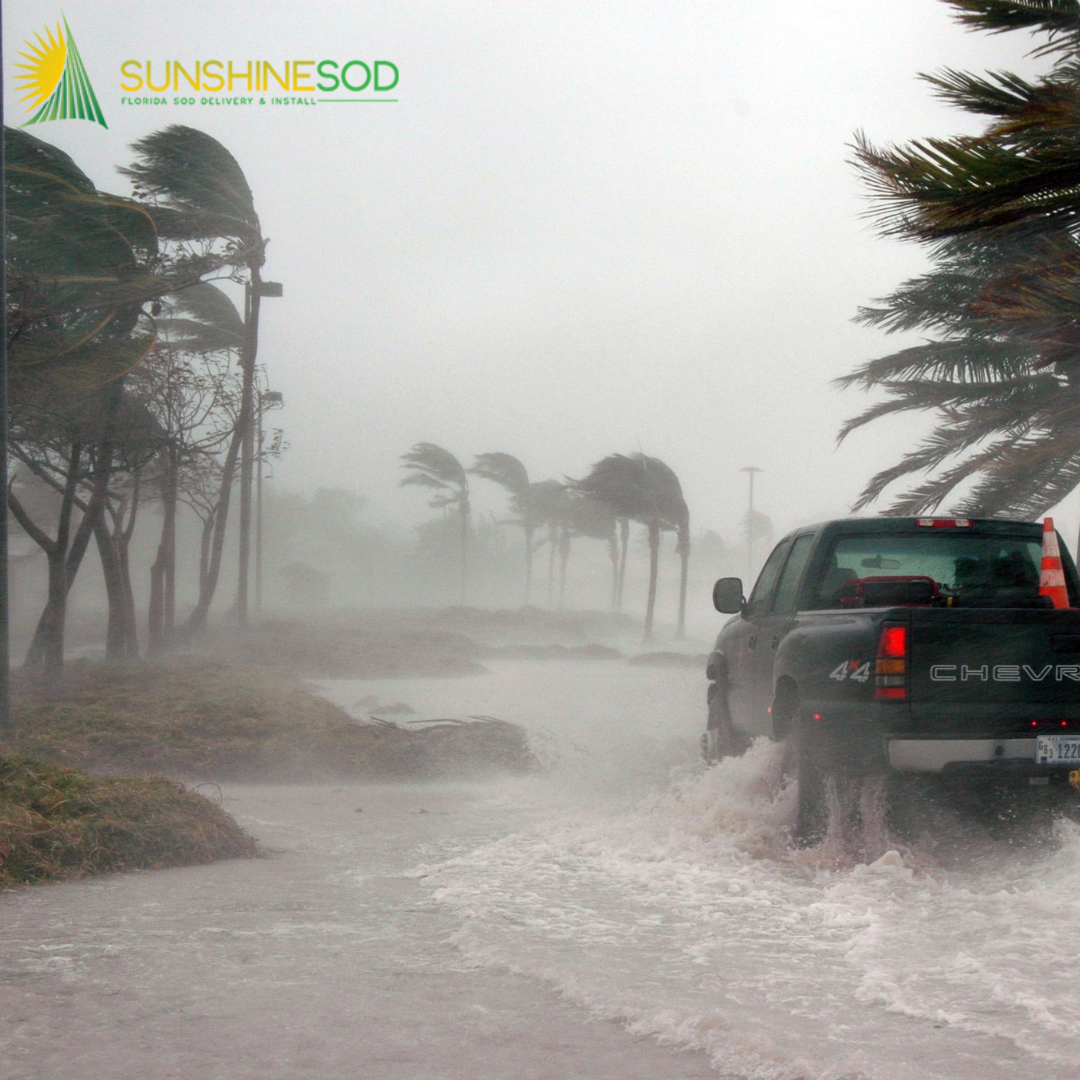
Southwest Florida lawns can look completely different after a week of heavy rain, tropical moisture, or a storm moving through the Gulf. A yard that was thin but manageable may suddenly have washed-out areas, standing water, exposed roots, ruts, mud, weeds, or dead patches where grass no longer recovers.
Not every storm-damaged lawn needs full replacement. Some yards only need time to dry out, targeted Florida Lawn Patch Repair, or minor soil correction. But when water exposes deeper problems, replacing the sod can be the cleanest way to restore curb appeal and prevent the same weak areas from coming back.
For homeowners in Cape Coral, Fort Myers, Bonita Springs, Port Charlotte, Punta Gorda, Estero, Naples, Lehigh Acres, North Port, and nearby Southwest Florida communities, here is how to decide what to do after storm or heavy-rain lawn damage.
Start by letting the yard drain
The first mistake many homeowners make is judging the lawn while it is still saturated. After a major storm or several days of rain, the soil may be too soft to walk on, mow, rake, or repair. Stepping on wet sod can create ruts and compact the soil, which makes future rooting even harder.
Before making a repair plan, give the yard time to drain if conditions allow. Once the surface is firm enough to walk without sinking, look for:
- areas where grass was lifted, floated, or shifted;
- muddy low spots that hold water longer than the rest of the yard;
- washed-out edges near driveways, sidewalks, patios, or pool decks;
- ruts from vehicles, trailers, equipment, or cleanup work;
- dead patches that were already weak before the storm;
- weeds or mixed grass taking over bare areas; and
- drainage paths that now cut across the lawn.
A soggy lawn can sometimes recover. A lawn with repeated low spots, compacted soil, or broad bare areas usually needs a more deliberate repair plan.
When patch repair may be enough
Patch repair can make sense when the damage is limited and the surrounding grass is healthy. For example, a small washed-out area near a downspout, gate, pool deck, or driveway may not justify replacing the entire lawn.
Patch repair is usually worth considering when:
- the damaged area is small and clearly defined;
- the surrounding turf is thick and healthy;
- the grade is still mostly correct;
- the problem was a one-time washout, not a recurring drainage issue;
- the existing grass type is known and can be matched reasonably well; and
- the homeowner is comfortable with a short-term visual difference while the patch blends in.
In these cases, Sunshine Sod can help evaluate whether fresh sod pieces, soil adjustment, and watering will restore the area without a full lawn replacement.
When full sod replacement is the better move
Full sod replacement becomes more attractive when storm damage reveals larger lawn problems. If the lawn was already thin, uneven, weedy, or mixed with several grass types, heavy rain may simply expose what was already failing.
Replacement may be the better choice when:
- large sections are bare, muddy, or dead;
- the yard has widespread weeds or mixed turf;
- water sits in the same areas after every storm;
- cleanup equipment created ruts across the lawn;
- the old sod is separating from the soil;
- the grade needs correction before grass can establish;
- the property needs a clean curb-appeal reset before selling, renting, or hosting guests; and
- patch repair would leave the lawn looking inconsistent.
A full replacement gives the installer a chance to remove weak turf, correct uneven areas, add or adjust soil where needed, and install fresh sod on a more stable base. If the whole lawn needs a clean reset, start with Sunshine Sod’s Sod Installation in Florida service path.
Drainage and grading matter more than the sod type
After storm damage, it is tempting to focus only on which grass to install. Grass choice matters, but drainage and grading usually decide whether the repair lasts.
If the same corner floods every time it rains, new sod may fail no matter which variety is used. If water runs off the driveway and cuts through the yard, the new lawn needs a better grade or edge plan. If soil was compacted by trucks, trailers, or construction equipment, roots may struggle unless the surface is prepared before installation.
Before installing new sod, look at how water moves across the property. Common Southwest Florida problem areas include:
- low spots beside pool cages or patios;
- side yards between houses with narrow drainage paths;
- canal lots where runoff moves toward the seawall or backyard;
- new construction yards with compacted fill;
- driveway edges where water concentrates;
- downspouts that empty directly onto lawn areas; and
- gate entries used by mowers, trailers, or cleanup crews.
Fixing the grade first can make the difference between a lawn that looks good for a few weeks and a lawn that roots properly. For low spots, ruts, and washed-out areas, Sunshine Sod’s Topsoil and Grading Services can help prepare a better base before new sod goes down.
Watch for hidden damage after cleanup work
Storm cleanup can damage lawns as much as the storm itself. Branch removal, roof work, pool cage repairs, paver repairs, fence work, and debris hauling can leave tracks, compacted soil, and bare paths.
If contractors or equipment crossed the yard, inspect those routes carefully. Even if the grass is still green, repeated weight on wet soil can create compaction underneath. Over time, those paths may become thin, dry, or uneven.
Sod replacement after cleanup work often works best when it is paired with light grading or soil correction. Sunshine Sod’s guide to Sod Repair After Pool, Patio, or Paver Work is also useful when equipment damage, construction access, or hardscape repairs caused the weak spots.
Do not install new sod into standing water
Fresh sod needs moisture, but it also needs soil contact and oxygen. Installing sod into standing water, mud, or unstable soil can lead to shifting, uneven rooting, disease pressure, and poor establishment.
A better sequence is:
- Let the yard drain enough to evaluate the surface.
- Remove dead grass, debris, and weak turf.
- Correct obvious low spots, ruts, or washouts.
- Prepare the soil for firm sod-to-soil contact.
- Install fresh sod when conditions allow proper placement.
- Water carefully after installation, adjusting for rainfall.
In rainy-season conditions, watering should be adjusted to the actual weather. New sod still needs consistent moisture, but overwatering a saturated lawn can create more problems. Sunshine Sod’s New Sod Watering Schedule explains how the first 30 days should be managed after installation.
How to protect new sod during storm season
The Atlantic hurricane season runs from June 1 to November 30, according to NOAA’s National Hurricane Center. In Southwest Florida, that overlaps with heat, humidity, afternoon storms, and the rainy season. New sod can still be installed during this window, but timing and aftercare matter.
To protect a new lawn during storm season:
- keep foot traffic off the sod while it roots;
- avoid mowing until the sod is firmly rooted enough for a clean cut;
- watch low spots after heavy rain and address them early;
- adjust irrigation when rainfall is already soaking the yard;
- keep debris, furniture, and equipment off wet sod;
- check edges near sidewalks, patios, and driveways after storms; and
- call for help if sod shifts, floats, or dries unevenly.
The goal is not to avoid every rainy day. The goal is to install on a prepared surface and manage the first few weeks so the sod can root.
Related Sunshine Sod resources
- Sod Installation in Florida for full lawn replacement after storm or drainage damage.
- Topsoil and Grading Services for ruts, low spots, soil correction, and site preparation.
- Florida Lawn Patch Repair for smaller washed-out or damaged sections.
- Residential Sod Installation for Florida homeowners who want a cleaner curb-appeal reset.
- How to Fix a Wet, Soggy Yard Before Installing Sod for drainage-heavy yards.
- Topsoil and Grading Before Sod in Florida Rainy Season for rainy-season prep.
FAQ: storm-damaged lawn sod replacement
Should I replace sod right after a storm?
Usually, wait until the yard drains enough to evaluate the surface safely. If the lawn is still muddy or holding standing water, the first step is drainage assessment and soil preparation, not immediate installation.
Can a storm-damaged lawn recover on its own?
Some lawns recover when the damage is minor and the surrounding turf is healthy. Broad dead areas, repeated low spots, exposed soil, mixed weeds, and ruts are signs that patch repair, grading, or full sod replacement may be a better plan.
Is grading necessary before replacing storm-damaged sod?
Grading is not always necessary, but it is important when water keeps collecting in the same area, the soil washed out, or cleanup equipment left ruts. Correcting the base helps new sod root more evenly.
What type of sod is best after storm damage?
The best grass depends on sun exposure, soil conditions, irrigation, traffic, and the surrounding lawn. Before choosing a variety, make sure drainage and soil contact are addressed so the new sod has a fair chance to establish.
Need help with a storm-damaged Southwest Florida lawn?
A storm-damaged lawn can be frustrating because the visible damage is only part of the problem. The real question is whether the yard needs a small patch, grading and soil correction, or a full sod replacement.
Sunshine Sod helps Southwest Florida homeowners repair and replace lawns damaged by heavy rain, drainage issues, pool and patio work, cleanup equipment, construction, and normal Florida weather. If your yard is holding water, washing out, turning muddy, or failing to recover after a storm, Contact Sunshine Sod to talk through sod options, grading needs, delivery timing, and installation before the next round of heavy rain makes the problem worse.