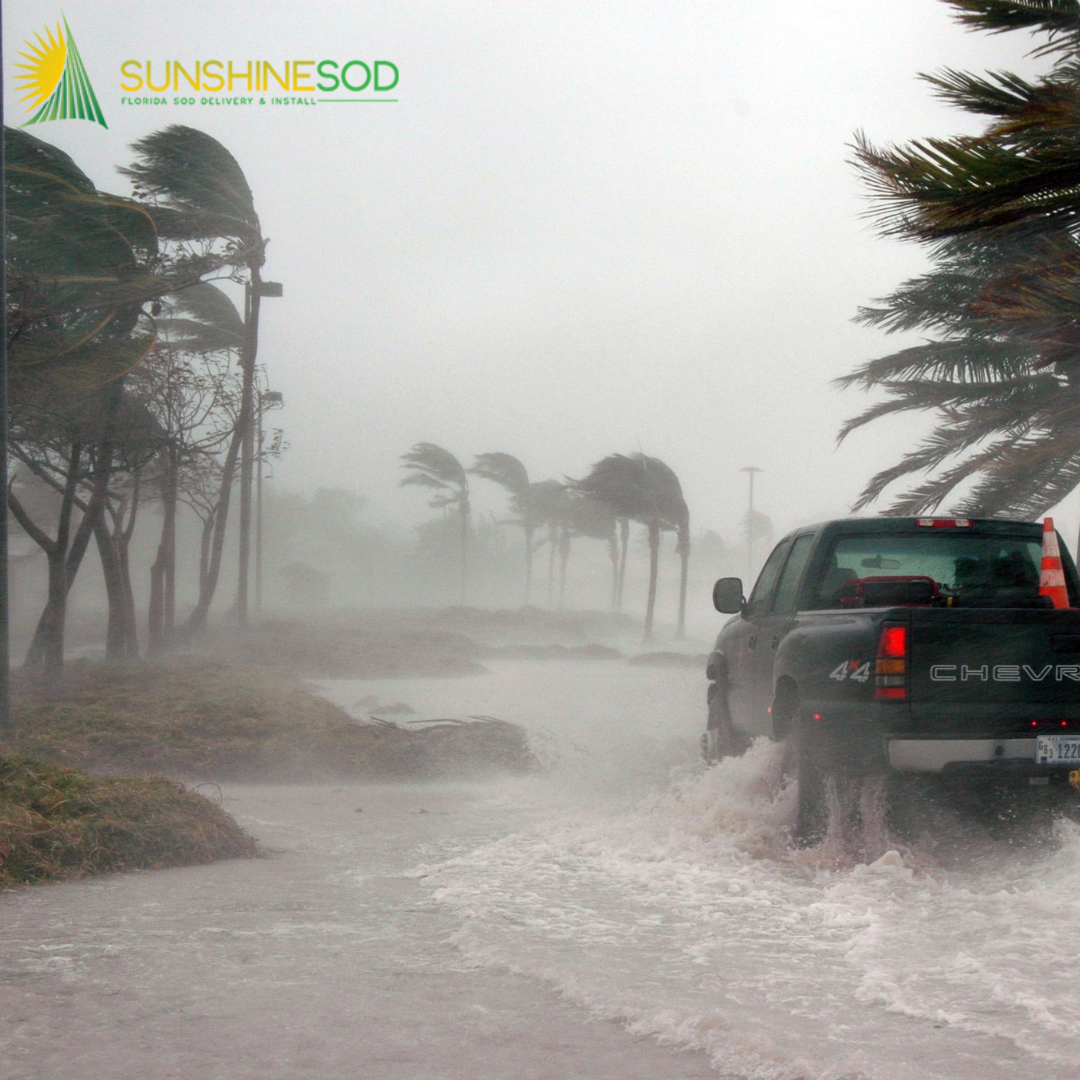
Southwest Florida lawns see two very different water problems during the year: dry stretches that make turf thirsty and rainy-season downpours that leave low spots wet for days. If you are planning sod installation in Fort Myers, Cape Coral, Lehigh Acres, Bonita Springs, Naples, or nearby areas, that second problem matters just as much as choosing the right grass.
New sod needs consistent moisture while it roots. But it does not perform its best when it is placed over soil that stays muddy, compacted, or uneven after every afternoon storm. A soggy yard can lead to ruts during delivery, poor root contact, washouts, weeds, fungus pressure, and thin areas that never look as even as the rest of the lawn.
Before you schedule sod delivery or installation, take a little time to understand where water is going on your property. A few smart preparation steps can help your new lawn start cleaner, drain better, and look more finished from the curb.
Why soggy soil is a problem for new sod
Sod is a living product. Each piece needs firm contact with the soil underneath so roots can grow down and start pulling water and nutrients from the ground. When the base is too wet or soft, several things can go wrong.
First, installers and equipment can leave depressions in the lawn area. Those low spots collect even more water later. Second, saturated soil may smear instead of crumbling, which reduces the small air spaces roots need. Third, if heavy rain hits before sod has rooted, loose edges can shift or wash out on slopes and along driveways.
Excess moisture can also make weeds and disease more difficult to manage. UF/IFAS lawn guidance commonly emphasizes matching water to the turf’s needs, and established turf generally needs far less supplemental water than many homeowners think. New sod is different because it needs frequent moisture at first, but the goal is still healthy rooting, not a permanently soaked lawn.
Signs your yard needs drainage attention before sod
You do not need engineering equipment to spot many common yard drainage issues. Walk the property after a normal summer rain and look for these warning signs:
- Water standing for more than 24 hours in the same low areas
- Soil that stays soft or leaves deep footprints long after the rain stops
- Mulch, sand, or soil washing across sidewalks, driveways, or the street
- Bare areas where grass repeatedly thins out
- A musty smell or algae on the soil surface
- Downspouts that dump roof water directly into the future sod area
- Sprinkler zones running even after heavy rainfall
One puddle immediately after a cloudburst is not always a serious problem. But repeated standing water tells you the lawn area may need grading, soil correction, downspout adjustments, or irrigation changes before new sod goes down.
Check the grade before ordering sod
Grading is the shape of the soil surface. Good grading moves water away from the house and toward appropriate drainage areas without creating erosion. In Southwest Florida neighborhoods, especially newer construction areas, the final grade can be uneven after building, utility work, pool installation, or repeated vehicle traffic.
Before sod installation, low pockets should be filled and rough areas should be leveled. The goal is not to make the yard perfectly flat. In fact, a totally flat yard can hold water. The goal is a smooth, gentle surface that drains in the right direction.
Pay close attention to:
Areas near the foundation
Soil should not encourage water to sit against the home. If water is collecting beside the slab, fix that before covering the area with new grass.
Driveway and sidewalk edges
These edges often collect runoff. If the soil is too low beside concrete, sod may sit below grade and catch water.
Fence lines and side yards
Side yards can be narrow, shaded, and compacted. They are common trouble spots for mud and thin turf.
Swales and drainage paths
Many Florida lots rely on shallow swales to move stormwater. Do not fill or block a swale just to make the lawn look level. If you are unsure, check local requirements or ask a qualified drainage professional.
Improve soil contact without overworking wet ground
Soil preparation is one of the biggest differences between a quick sod drop and a lawn that roots evenly. Old weeds, dead turf, rocks, construction debris, and high spots should be removed before installation. The surface should be loosened enough for root contact, then firmed so the sod does not sink.
The timing matters. Working soil when it is too wet can create clumps and compaction. If your yard is saturated after a storm, it may be better to wait until the surface is workable instead of rushing the installation. Sod is perishable, so coordinate timing before delivery rather than having pallets sit while the yard is not ready.
For many homes, preparation may include:
- Removing existing dead or patchy grass
- Raking out rocks, roots, and debris
- Filling low spots with appropriate soil
- Lightly grading the surface for smooth drainage
- Checking irrigation coverage before sod arrives
- Making sure the installation area is accessible for delivery
Do not let irrigation make a drainage problem worse
Rainy season can trick homeowners into overwatering. A new lawn does need careful watering during establishment, but automatic irrigation should be adjusted for actual weather. If the system runs after every afternoon storm, the soil may stay soaked and oxygen-starved.
UF/IFAS notes that established turf often needs only about 1/2 to 3/4 inch of water per week from rain, irrigation, or both. New sod has a separate establishment period, but that does not mean the sprinklers should ignore rainfall. A working rain sensor or moisture shutoff device can help prevent unnecessary watering, and a simple rain gauge can show how much water the yard is already receiving.
Before sod installation, run each irrigation zone and look for:
- Broken heads
- Overspray onto pavement
- Dry corners that do not receive coverage
- Low areas getting too much water
- Heads blocked by shrubs or landscape edging
It is easier to fix these issues before fresh sod is on the ground.
Choose turf that fits the site
Drainage is only one part of sod success. Sun, shade, salt exposure, foot traffic, maintenance expectations, and irrigation all matter. St. Augustinegrass is widely used in Florida and establishes quickly as sod, but it still needs the right site conditions and care. Bahia may make sense for some lower-maintenance areas. Zoysia can offer a dense look where the site and maintenance plan fit.
The best grass for a front yard in Cape Coral may not be the same choice as a shaded side yard in Fort Myers or a larger open property in Lehigh Acres. If your lawn has both sunny and wet trouble spots, talk through those conditions before ordering. The right recommendation starts with the property, not just the price per pallet.
When to call for help before sod delivery
Some soggy-yard problems are simple, such as a sprinkler zone running too long or a downspout aimed at a low spot. Others need a professional look, especially if water flows toward the home, pools over a large section of the yard, or crosses from neighboring properties.
Call before scheduling sod if:
- The lawn stays wet for several days after typical rain
- You need significant grading or debris removal
- The yard has erosion lines or washouts
- New construction soil is uneven or full of debris
- You are unsure how much sod to order after reshaping the area
Sunshine Sod can help homeowners plan sod delivery and installation with the real job site in mind. A better-prepared lawn area can reduce surprises on installation day and give the new turf a stronger start.
Final checklist for a better sod installation after heavy rain
Before the pallets arrive, walk the yard and confirm:
- Low spots have been identified and corrected where practical
- The surface is smooth, firm, and free of debris
- Water drains away from the home and does not sit in the installation area
- Irrigation zones work and can be adjusted for rainfall
- The selected grass fits the site’s sun, shade, and maintenance needs
- Delivery access is clear and the installation schedule matches the weather
A beautiful lawn starts below the grass. If your Southwest Florida yard is holding water, solve the drainage and preparation issues first. Then your new sod has a cleaner surface, better root contact, and a better chance to become the curb-appeal upgrade you wanted.
For sod delivery or professional sod installation in Southwest Florida, contact Sunshine Sod to discuss your lawn, grass options, and timing before your next project.
Local lawn note: UF/IFAS guidance emphasizes matching irrigation to rainfall and turf needs; use a rain gauge and adjust irrigation during wet weeks.
Related Sunshine Sod Resources
For more help planning the right sod project, use these Sunshine Sod resources: