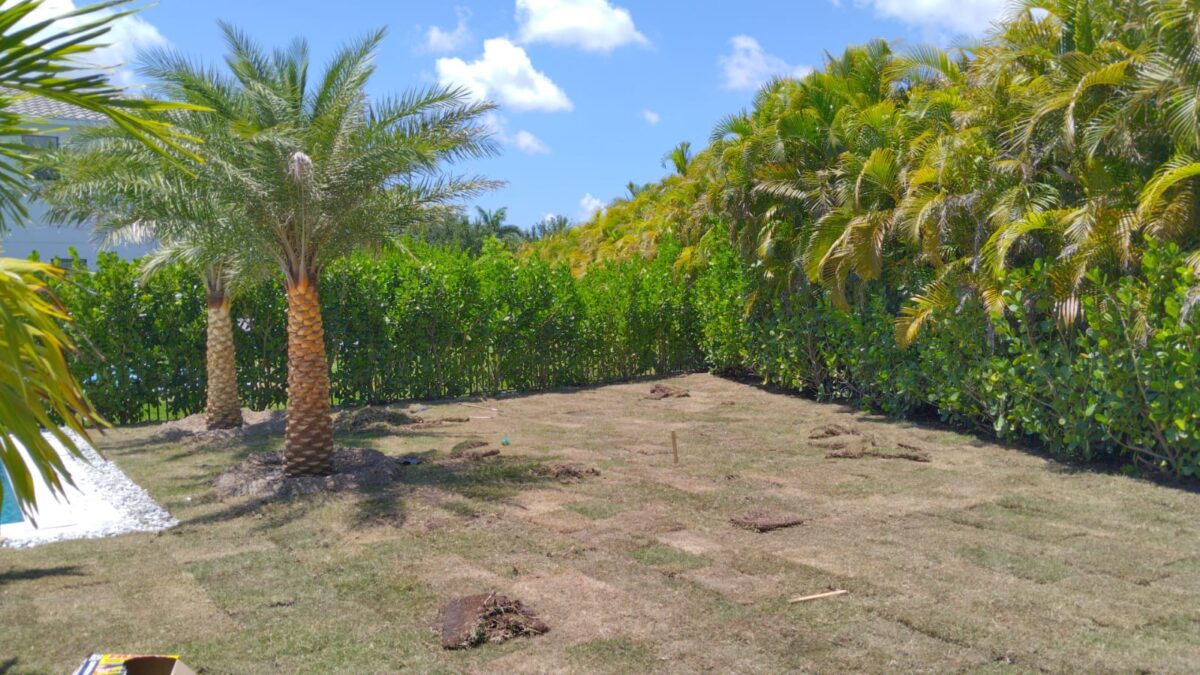
Backyard upgrades are common in Southwest Florida. A new pool, screen enclosure, patio, driveway extension, outdoor kitchen, or paver walkway can make a home more useful and more valuable. The problem is what happens around the construction zone: equipment tracks, piles of sand, compacted soil, broken sprinkler heads, and grass that gets buried or burned out before the project is finished.
For many homeowners, the final step is not just cleaning up debris. It is getting the lawn back to a smooth, green, finished look. That is where Florida Lawn Patch Repair or broader sod replacement comes in.
If your yard in Cape Coral, Fort Myers, Lehigh Acres, North Fort Myers, Bonita Springs, Estero, or nearby Southwest Florida has been torn up by pool or patio work, here is how to think through the next move.
Why Construction Damages Florida Lawns So Quickly
Florida lawns are tough in some ways, but construction stress can overwhelm them fast. Even a healthy St. Augustine, Bahia, or Zoysia lawn can decline when several problems happen at once.
Common construction-related lawn damage includes:
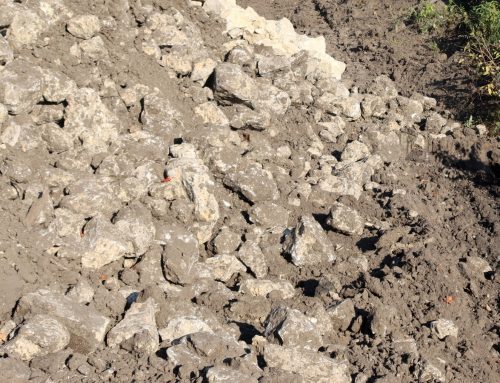
- Compacted soil from skid steers, trailers, dump trucks, and repeated foot traffic
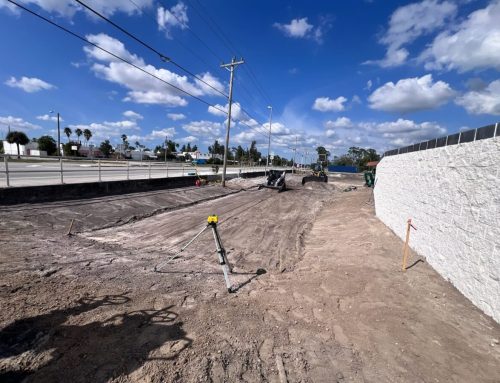
- Ruts and low spots where tires crossed wet or sandy areas
- Buried turf under fill, paver base, concrete dust, or construction sand
- Irrigation damage from cut pipes, broken heads, or zones that were shut off during work
- Shade changes from a new screen cage, patio cover, fence, or landscape layout
- Drainage changes caused by new hard surfaces that move water differently across the yard
In Southwest Florida, these issues are more noticeable during the rainy season. A low area that looked minor during dry weather can turn into a puddle after one heavy afternoon storm. A compacted strip near the pool cage can stay thin because roots cannot establish well. A sprinkler zone that was damaged during construction may not show up until new sod starts drying at the edges.
Sod Patch Repair vs. Full Sod Replacement
Not every damaged yard needs a full replacement. Sometimes a focused lawn patch repair is the cleanest, most cost-effective option. Other times, trying to patch a badly uneven or stressed lawn only makes the yard look pieced together.
Patch repair may be enough when:
- Damage is limited to a few equipment paths or staging areas
- The existing lawn is still healthy and mostly level
- Irrigation is working correctly in the repair area
- The soil can be cleaned up and graded without disturbing the entire yard
- The new sod type can be matched closely to the existing grass
Full replacement may make more sense when:
- Large sections were rutted, compacted, or buried
- The existing lawn was already thin, weedy, or uneven before construction
- Drainage or grading needs to be corrected across a wider area
- The yard needs a uniform look for HOA compliance or resale curb appeal
- The old grass type is not performing well for the property’s sun, shade, or traffic
A good rule of thumb: if the repair area is small and the surrounding grass is strong, patching can work. If the lawn already had problems and the project made them worse, a larger sod replacement may give a cleaner result.
Check Irrigation Before New Sod Goes Down
One of the biggest mistakes after pool or paver work is installing new sod before the sprinkler system has been checked. Fresh sod needs consistent moisture while roots establish; Sunshine Sod’s guide to watering new sod in Florida is a helpful companion after the repair is installed. If one zone has low pressure, a capped line, a broken head, or poor coverage near a new hardscape edge, the sod may struggle even if the installation was done correctly.
Before delivery or installation, walk the yard while each zone is running and look for:
- Dry corners near patios, lanais, driveways, and pool cages
- Heads blocked by new edging, plants, or pavers
- Broken risers or heads spraying sideways
- Overspray onto the patio while the grass edge stays dry
- Low spots where water collects and sits
University of Florida IFAS turf guidance emphasizes that watering practices are critical for Florida lawns and that new turf should be managed so the root zone gets moisture without staying excessively wet. For a homeowner, the practical takeaway is simple: make sure the system is functional before the sod is installed, not after the grass starts browning.
Grade the Repair Area So Water Moves the Right Way
Pool and patio projects often change how water travels through the yard. New concrete, pavers, drains, coping, or retaining edges may redirect runoff into areas that used to stay dry. If sod is installed over a low, uneven, or compacted surface, it may look good for a short time but fail when the first stretch of heavy rain hits. For yards with drainage or elevation problems, review Sunshine Sod’s Topsoil and Grading Services before ordering replacement sod.
Before new sod is installed, the area should be cleared of debris and shaped so water moves away from structures and does not sit in the turf. This is especially important around:
- Pool cage perimeters
- Patio and lanai edges
- Walkways and side yards
- Driveway extensions
- Downspout discharge areas
- Canal lots and lower backyard sections
The goal is not to create a perfectly flat yard. The goal is a smooth, workable grade that lets sod make contact with the soil while reducing puddles, washouts, and scalped mowing spots.
Match the Grass to the Yard Conditions
After construction, the yard may not have the same growing conditions it had before. A new screen enclosure may create more filtered light. A patio extension may increase heat around the lawn edge. A side yard may now carry more foot traffic from pool equipment, trash cans, or service access.
That matters when choosing sod.
- St. Augustine is common for a lush Florida lawn look and performs well in many residential settings when irrigation and maintenance are right.
- Bahia can be a practical choice for larger, more open areas where a lower-input look is acceptable.
- Zoysia may fit certain curb appeal goals, but it should be matched carefully to site conditions and maintenance expectations.
No grass type is magic. The right choice depends on sun exposure, irrigation, soil condition, drainage, traffic, and how polished the homeowner wants the finished lawn to look.
Timing Matters After Construction
It is tempting to order sod the moment the contractor leaves. Sometimes that is the right move, especially if the yard is exposed, muddy, or under HOA pressure. But the better sequence is:
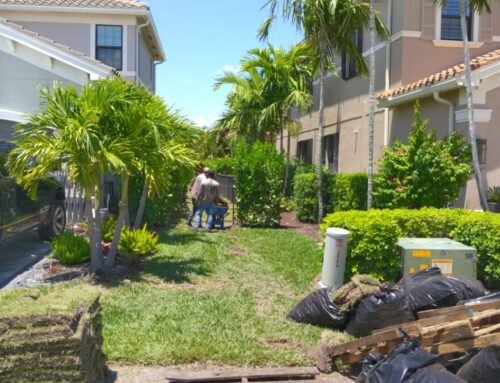
1. Finish the construction and remove leftover debris. 2. Confirm irrigation repairs and coverage. 3. Correct grading, ruts, and low spots. 4. Decide whether patch repair or broader replacement is the better fit. 5. Schedule sod delivery or installation close to when the site is ready.
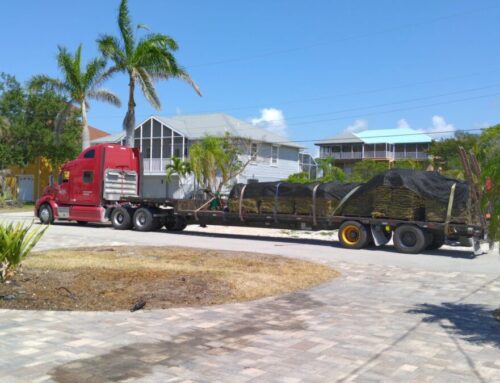
Fresh sod should not sit on pallets longer than necessary in Florida heat, so coordinate Residential Sod Installation or delivery timing after the site is ready. UF/IFAS notes that sod life on pallets during summer can be less than 48 hours, which is why coordination matters. The site should be ready before the truck arrives.
What Homeowners Should Do Before Calling for Sod
You do not need to solve every detail before requesting help, but a few photos and notes make the process smoother.
Helpful information includes:
- Photos of the damaged areas from several angles
- The city or neighborhood where the property is located
- Whether the project was a pool, patio, paver, driveway, or construction cleanup
- Approximate size of the repair area
- Existing grass type if you know it
- Whether irrigation is working
- Whether the area holds water after rain
- Any HOA deadline or closing/listing timeline
This helps Sunshine Sod recommend whether delivery, patch installation, grading prep, or a larger lawn replacement is the better next step.
Related Sunshine Sod Resources
- Florida Lawn Patch Repair
- Topsoil and Grading Services
- How to Fix a Wet, Soggy Yard Before Installing Sod
- Why Topsoil and Grading Matter Before Sod Installation in Florida’s Rainy Season
The Bottom Line
Pool, patio, and paver projects can leave a Southwest Florida yard looking unfinished even when the main construction work is complete. New sod can restore curb appeal quickly, but the best results come from solving the basics first: clean soil, working irrigation, proper grade, and the right grass choice for the yard.
If your lawn was damaged after construction, Sunshine Sod can help with Turf Installation, sod delivery, and installation options across Southwest Florida. Send photos of the affected area, the property location, and your timeline, and the team can help you decide whether a focused sod repair or a fuller lawn replacement makes the most sense.
Need sod repair after pool, patio, or paver work? Contact Sunshine Sod for sod delivery and installation help in Southwest Florida.