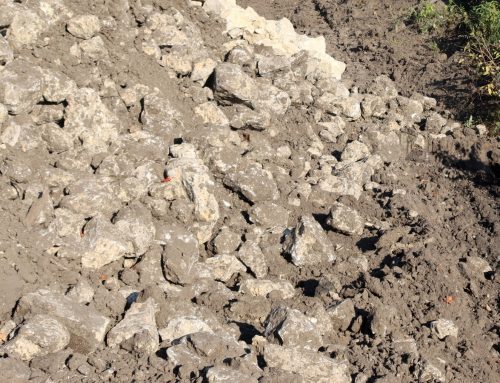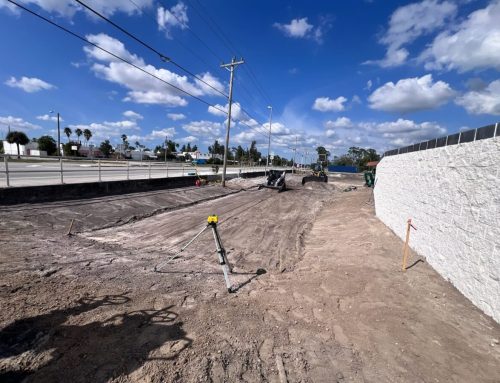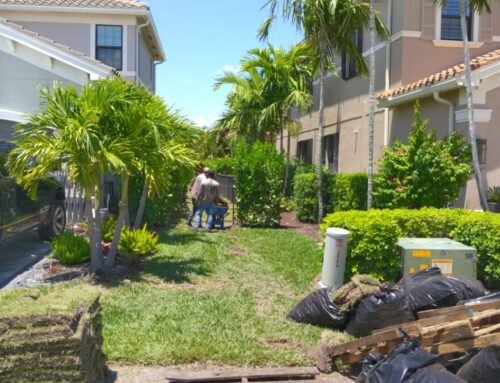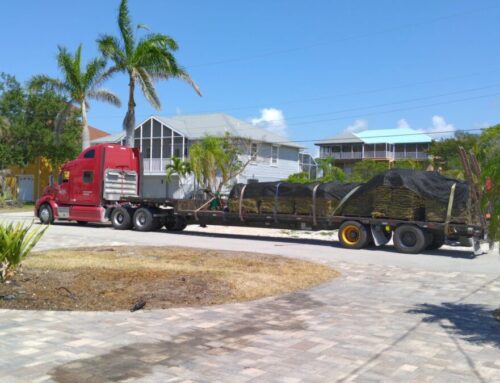
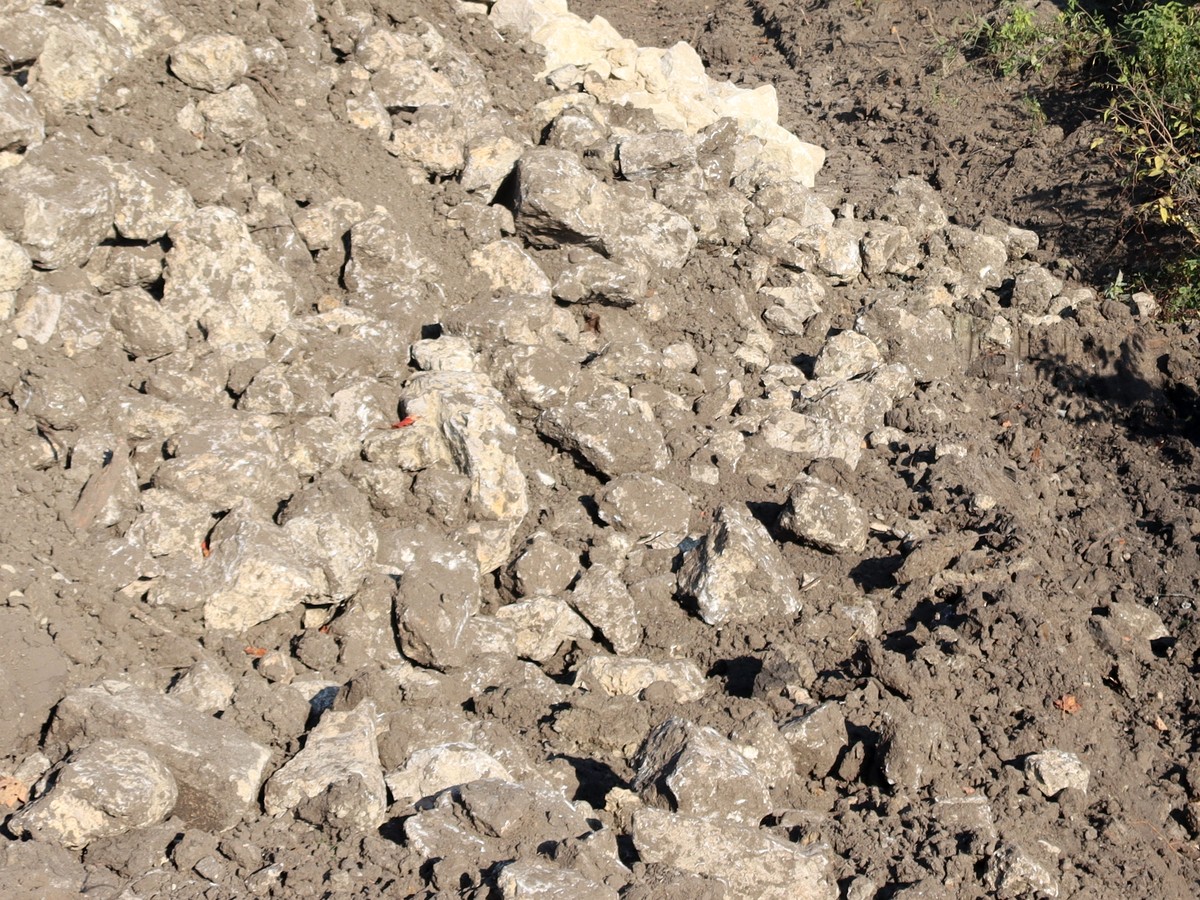
New construction lawns in Southwest Florida can look simple from the street: finish the house, smooth the yard, roll out sod, and wait for green. In reality, the yard around a new home often has the hardest conditions a lawn will ever face. Builder-grade soil may be compacted by equipment, mixed with construction debris, low in organic matter, uneven around drainage points, or dry on top while holding water underneath.
That does not mean a new-construction lawn is a problem. It means the work before the sod arrives matters as much as the grass itself. For homeowners in Fort Myers, Cape Coral, Lehigh Acres, Naples, Port Charlotte, Venice, and nearby Southwest Florida communities, good planning can prevent many of the most common complaints after sod installation: brown edges, puddling, uneven rooting, scalped high spots, and sections that never seem to take.
Why builder-grade dirt is different from an established lawn
A finished homesite is not the same thing as a prepared lawn bed. During construction, trucks, dumpsters, concrete crews, roofers, and material deliveries all move across the lot. That traffic can compact the soil. Compacted soil limits root growth and makes water move unevenly, which is a major issue for fresh sod.
Southwest Florida adds its own complications. Many neighborhoods have sandy fill, swales, canal lots, high summer rainfall, irrigation restrictions, and strict HOA curb appeal standards. A lawn that is installed quickly but not prepared correctly may look green for the first few days, then begin showing stress once the sod has to root into the soil below.
UF/IFAS guidance on Florida lawn establishment emphasizes that proper soil preparation is essential no matter how turfgrass is planted. St. Augustinegrass, one of the most common Florida lawn grasses, can establish quickly from sod, but it still needs suitable soil contact, moisture, and site conditions to perform well.
Step 1: Walk the yard before ordering sod
Before scheduling sod delivery or installation, walk the full property after irrigation runs or after a rain. Look for:
- Low spots that hold water longer than surrounding areas
- Hard-packed tire paths from construction traffic
- Concrete washout, rocks, roots, or leftover building debris
- High areas that may scalp when mowed
- Soil pulled too high against stucco, siding, pavers, or driveway edges
- Downspout discharge areas that may wash out new sod
- Swales that need to drain freely instead of being filled flat
This walk-through is especially important on new homes because the final grade can look smooth when dry but still move water poorly. If a low spot already holds water before sod is installed, sod usually will not fix it. The grass may hide the problem temporarily, but the roots will still be sitting in a weak drainage zone.
Step 2: Clean up debris and rough material
Fresh sod needs direct contact with the soil. Pieces of concrete, broken tile, plastic straps, nails, thick roots, and clumps of construction material create air pockets and dead zones under the sod. Those gaps can cause corners to dry out or make individual pieces settle unevenly.
Before installation, the surface should be raked clean and shaped so the sod can lie flat. This does not mean every yard needs a major grading project. It does mean the lawn area should be clean enough that the grass touches soil throughout the root zone.
Step 3: Correct grading and drainage before the sod arrives
Many new-construction yards need some level of grading adjustment. In Southwest Florida, that may mean preserving the intended swale, lowering high spots near hardscape, adding topsoil where the lawn is too low, or smoothing rough areas left by equipment.
The key is to make drainage decisions before the sod is on site. Once pallets are delivered, there is pressure to install quickly while the sod is fresh. That is not the right moment to discover a yard needs additional soil, machine work, or drainage correction.
If water is standing near the foundation, driveway, walkway, lanai, or property line, address that first. Sunshine Sod can help homeowners think through whether the project is a straightforward sod installation or whether the yard should be improved with topsoil and grading before grass goes down.
Step 4: Match the grass to the property, not just the neighborhood
A builder or HOA may point homeowners toward a grass type, but the right choice still depends on the actual yard. St. Augustine varieties are common across Florida and are valued for fast establishment and a dense appearance. Bahia can make sense for larger, sunnier, more budget-conscious areas. Zoysia may be attractive for certain higher-end lawns where expectations, maintenance, and site conditions line up.
Shade, salt exposure, foot traffic, pets, irrigation coverage, and mowing expectations all matter. A sunny front yard and a shaded side yard may not perform the same way even if they receive the same sod. Homeowners should ask what grass type fits the soil, use pattern, and maintenance plan—not just what looks best on day one.
Step 5: Test irrigation coverage before installation day
Fresh sod needs consistent moisture while it begins rooting, but more water is not always better. New construction irrigation systems can have misdirected heads, clogged nozzles, dry corners, overspray onto pavement, or zones that do not match the lawn layout.
Run every zone before installation day. Watch the spray pattern, not just the timer. Mark dry strips, broken heads, and areas that flood quickly. If the system misses a corner before sod is installed, that corner is likely to struggle after installation.
For homeowners moving into a new home, it is also important to know how to operate the controller before sod arrives. Waiting until the grass is already down to learn the irrigation schedule can waste the first critical days of establishment.
Step 6: Time delivery so sod is installed fresh
Sod is a living product. It should not sit on pallets longer than necessary, especially in Florida heat. When ordering fresh sod delivery, coordinate site prep, access, irrigation readiness, and installation labor before the truck arrives.
For DIY projects, make sure there is enough help to install the sod quickly. For larger or more complex new-construction yards, professional installation may be worth it because the crew can manage layout, seams, cutting, and contact with the prepared soil more efficiently.
Step 7: Protect the lawn during the first few weeks
After installation, avoid treating the new lawn like an established yard. Keep foot traffic light, prevent vehicles or trailers from crossing the sod, and monitor edges and seams closely. New sod can dry first along pavement, driveways, curbs, and sunny corners.
Mowing should wait until the sod has rooted enough to resist lifting and should be done with sharp blades at an appropriate height for the grass type. Cutting too low too soon can stress a lawn that is still establishing.
Common new-construction sod mistakes to avoid
Installing over compacted soil
If the ground is hard from construction traffic, sod roots may stay shallow. Loosening and preparing the surface helps the grass knit into the soil instead of sitting on top like a temporary mat.
Ignoring low spots
Sod is not a drainage system. Low, wet areas should be corrected before installation when possible.
Letting pallets sit too long
Freshness matters. Schedule delivery and labor so sod is installed promptly.
Assuming the irrigation system is ready
A new irrigation system still needs to be checked. Coverage problems often show up only after the sod starts drying unevenly.
Choosing grass based only on curb appeal
The best lawn is the one that fits the property, maintenance expectations, sun exposure, and budget.
When to call Sunshine Sod
If you are closing on a new home or trying to fix a builder-grade yard in Southwest Florida, Sunshine Sod can help with sod delivery, sod installation, grass selection, and prep conversations before the project starts. The goal is not just to make the yard green for a week. The goal is to give the new lawn a better chance to root, drain, and look finished after the moving trucks are gone.
Call Sunshine Sod at (239) 451-4930 or request a quote through the website before ordering pallets. A short planning conversation before delivery can prevent expensive rework after the sod is already on the ground.
Related Sunshine Sod Resources
- Sod Installation in Florida for full-service site prep and installation planning.
- Topsoil and Grading Services for builder-grade dirt, low spots, and drainage corrections.
- Fresh Sod Delivery for pallet timing and jobsite delivery coordination.
- Residential Sod Installation for new-home lawns and curb appeal projects.
- New Construction Sod Installation in Southwest Florida for a related checklist before delivery day.
- Standing Water Before Sod Installation for drainage questions before laying new grass.
- Sod Installation Guide and Sod Maintenance Tips for after-care once the lawn is installed.
- Contact Sunshine Sod to plan a new-construction sod project.