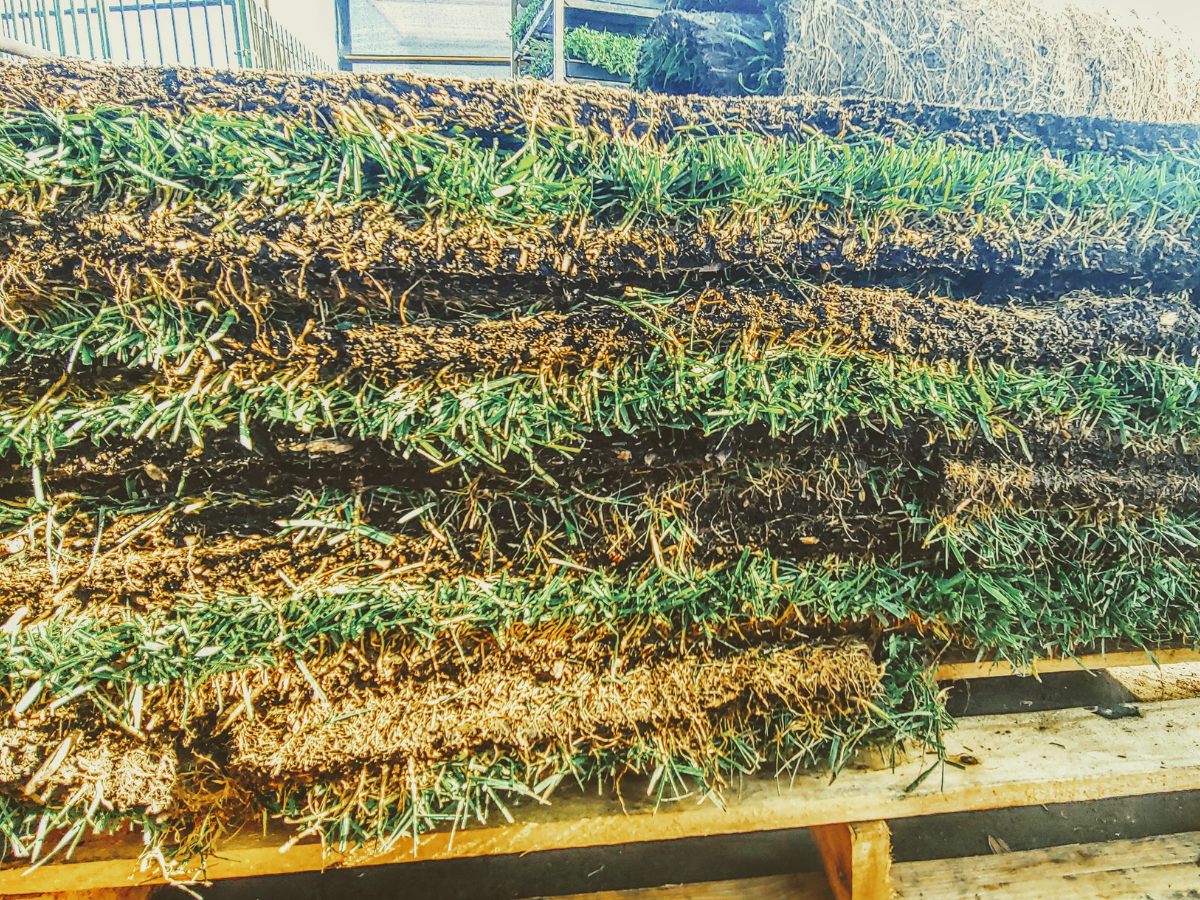
A new lawn can look perfect the day sod is installed and still struggle two weeks later if the irrigation system was not ready. In Southwest Florida, fresh sod has to handle heat, sandy soil, afternoon storms, HOA expectations, and sometimes tight watering windows. That makes sprinkler coverage one of the most important things to check before the first pallet is delivered.
For homeowners in Fort Myers, Cape Coral, Naples, Bonita Springs, Bradenton, Sarasota, Parrish, and nearby communities, the question is not just “What type of sod should I buy?” It is also “Can my yard water that sod evenly enough for roots to establish?” A professional sod installation can help with grading, soil prep, pallet staging, and clean seams, but new grass still needs consistent moisture after installation.
Below is a practical pre-sod sprinkler checklist for Florida homeowners planning lawn replacement, new construction sod, or sod delivery and installation.
Why irrigation matters so much for new Florida sod
Fresh sod is a living plant with a shallow root system when it first arrives. Until the roots knit into the soil below, the sod depends on moisture near the surface. UF/IFAS guidance for establishing Florida lawns emphasizes frequent, light irrigation right after planting, followed by a gradual shift toward deeper, less frequent watering as the turf establishes.
That transition only works if the irrigation system is reaching the whole lawn. One dry strip along the driveway, one clogged head near the mailbox, or one zone with poor pressure can create brown corners, shrinking seams, and weak rooting. In sandy Southwest Florida soil, the problem can show up quickly because water drains fast and exposed edges dry faster than the middle of the lawn.
The best time to check sprinklers is before sod is delivered
The easiest time to fix an irrigation issue is before the yard is covered in fresh sod. Once the sod is down, every repair becomes more stressful. You may have to walk on newly laid grass, lift pieces, dig near fresh seams, or delay watering while a broken head is repaired.
Before installation day, run every irrigation zone long enough to see what is actually happening. Do not assume the system works because the controller turns on. Watch the heads. Look for broken spray patterns. Check the corners. Make sure the zones that cover the new sod area are operating, not just the front planting beds.
This is especially important for new construction homes. Builder-grade irrigation layouts may not match the final driveway, pool cage, side-yard access, utility boxes, or landscape beds. A sprinkler head that made sense before the final grading may be blocked or too low after the lot is finished.
Pre-sod sprinkler checklist for Southwest Florida yards
1. Run each zone separately
Turn on each zone and walk the property. Note which areas each zone covers and whether the sod area is included. It is common to find a side yard, narrow strip, or driveway edge that receives less water than the main lawn.
2. Look for clogged, tilted, or sunken heads
Sprinkler heads can get buried by sand, crushed by equipment, or tilted by settlement. A head that is too low may water only a small circle. A tilted head can spray the street, sidewalk, house, or fence instead of the lawn. Fix these before the sod crew arrives.
3. Check for dry corners and overspray
Dry corners are a major problem for new sod because edges dry out first. At the same time, overspray wastes water and may violate local watering rules or create runoff. The goal is even coverage across the lawn area, not the longest possible run time.
4. Test real coverage, not just spray distance
UF/IFAS recommends simple irrigation checks such as placing straight-sided cans across the lawn to see how evenly water is being applied. Homeowners can do a basic version before sod installation by setting several small cans or cups in different parts of a zone and running the sprinklers for the same amount of time. If one area gets much less water than the others, that zone needs attention.
5. Make sure the controller is programmed for establishment
New sod usually needs a temporary establishment schedule, then a step-down schedule once roots begin to take. The exact schedule depends on grass type, weather, soil, shade, and local watering rules, but the key point is simple: do not leave the controller on the old, established-lawn program and expect fresh sod to perform.
6. Watch for drainage problems
Irrigation problems are not always about too little water. Low spots, compacted soil, downspout discharge, and poor grading can leave areas wet for too long. Soggy areas can delay rooting and make the yard difficult to maintain. If water sits after irrigation or storms, address the grade or drainage before installing sod.
Grass type does not eliminate the need for good coverage
St. Augustine, Bahia, Zoysia, and other Florida turf options have different strengths, but no sod variety is immune to poor establishment. St. Augustine is popular for many Florida homes and can perform well with proper care. Bahia can be a practical choice for some lower-input situations. Zoysia can offer a dense appearance when managed correctly. But all new sod needs appropriate moisture while it roots.
Choosing the right sod helps, but it does not fix a dry irrigation zone. If a homeowner is replacing a lawn because the old grass failed, Sunshine Sod often recommends looking at the cause before ordering new pallets. Was the previous lawn damaged by chinch bugs, shade, drainage, compaction, construction traffic, or irrigation gaps? If the cause remains, the replacement lawn starts with the same disadvantage.
What homeowners should do the week before installation
A few simple steps can prevent delays and callbacks:
- Run each irrigation zone and flag broken heads.
- Clear access for the delivery truck, pallets, and installation crew.
- Confirm that spigots, valves, and the controller are accessible.
- Trim back landscape plants that block spray patterns.
- Identify low spots, washouts, or areas where water pools.
- Ask whether the sod area needs grading, debris removal, or soil preparation before installation.
- Plan the first week of watering before the sod is installed, not after it starts drying out.
This preparation is especially valuable for HOA communities where curb appeal matters and dead patches can trigger notices. It is also important for rental properties, new builds, and homes being prepared for sale, where the lawn needs to establish quickly and look consistent from the street.
When sod delivery alone may not be enough
Some homeowners only need sod delivery because they have a ready site, working irrigation, and the labor to install quickly. Others are better served by full sod installation because the yard needs prep work, seams need to be tight, pallets need to be staged correctly, and the watering plan needs to match the property.
If the yard has uneven grade, irrigation uncertainty, old dead turf, weeds, construction debris, or drainage issues, it is worth discussing installation instead of treating the project as a simple pallet drop. The cheapest delivery option can become expensive if the sod sits too long, dries out, or is installed over unresolved site problems.
Sunshine Sod can help you plan the lawn before pallets arrive
A successful Florida sod project starts before the grass is on the truck. Sunshine Sod helps Southwest Florida homeowners think through sod delivery, lawn replacement, installation timing, site preparation, and practical aftercare. If your sprinkler system has dry zones, low pressure, drainage issues, or unknown coverage, it is better to identify that before installation day.
If you are planning sod installation in Southwest Florida, contact Sunshine Sod before ordering pallets. We can help you choose the right sod for the site, schedule delivery or installation, and make sure the yard is ready for the first critical days of establishment.
Research notes: This article was informed by UF/IFAS guidance on establishing Florida lawns, St. Augustinegrass management, and Florida turf irrigation recommendations, including the importance of frequent light watering during establishment and checking irrigation uniformity.
Related Sunshine Sod Resources
- Sod Installation in Florida for full-service lawn replacement and job-day planning.
- Fresh Sod Delivery for pallet scheduling when the yard is ready for installation.
- Topsoil and Grading Services when sprinkler coverage reveals low spots, runoff, or uneven soil before sod.
- Sod Maintenance Tips for watering and aftercare once the new lawn is installed.
- Rainy Season Sod Installation in Southwest Florida for timing irrigation around afternoon storms.
- Contact Sunshine Sod to plan sprinkler checks, sod delivery, and installation.