

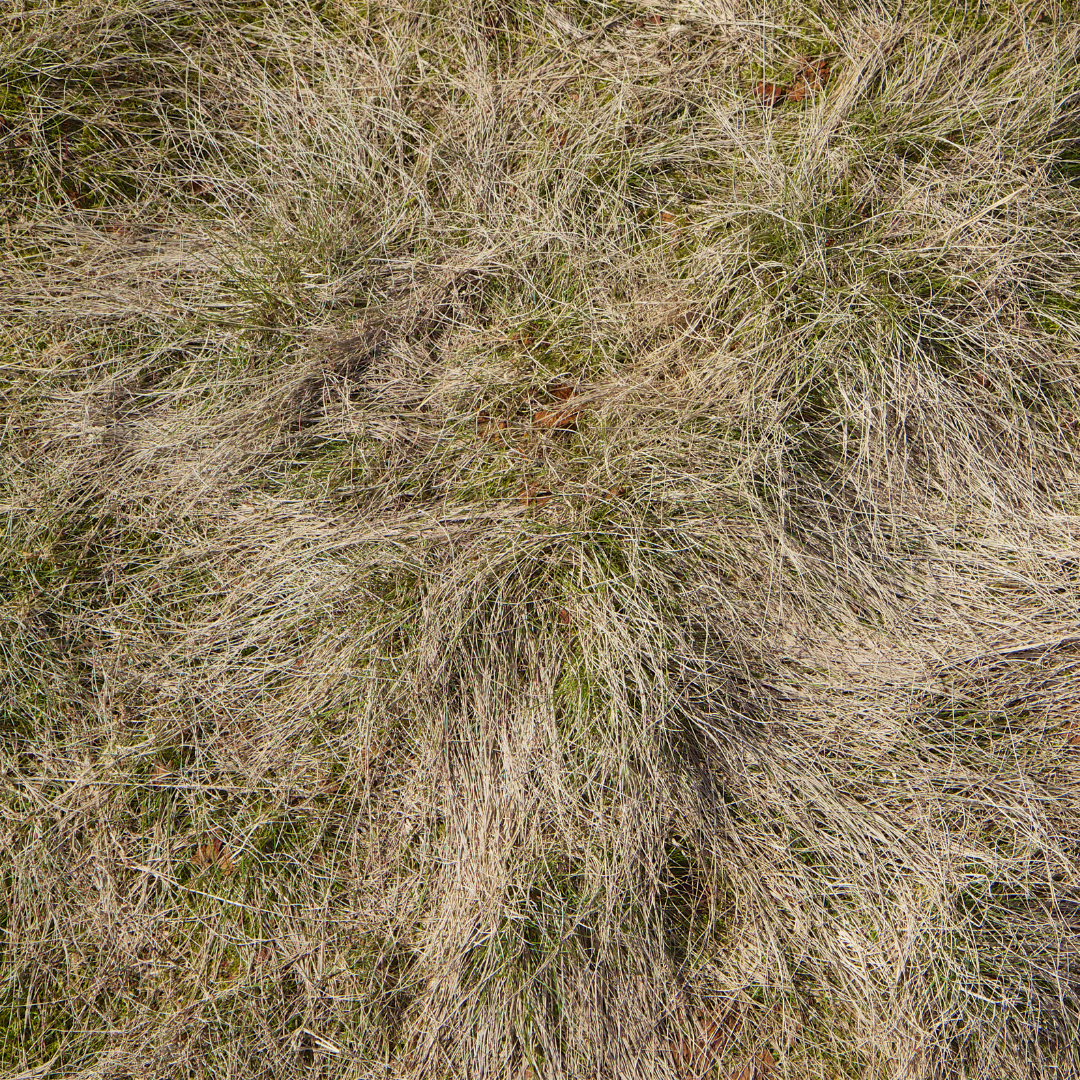
Top 5 Signs Your Sod Isn’t Getting Enough Water (and What to Do)
Proper watering is critical to establishing and maintaining a healthy Florida lawn . When sod doesn’t receive enough water—especially in the early weeks—it can fail to root, become stressed, or even die. Recognizing the warning signs early allows you to adjust your watering routine and save your investment.
Here are the top 5 signs your sod isn’t getting enough water—and how to fix it:
- Grass Blades are Wilting or Curling One of the earliest signs of dehydration is curled or folded blades of grass. This is the turf’s natural response to reduce surface area and conserve moisture.
- Fix : Increase the frequency and duration of your watering sessions. For new sod, water 2–3 times per day in the first week.
- Blue-Gray Tint or Dull Color Healthy grass is typically vibrant green. When sod begins to dry out, it often takes on a blue-gray or smoky hue.
- Fix : Walk the lawn in early morning. If you see color changes, water immediately. Be sure your irrigation is reaching all areas evenly.
- Footprints Stay Visible If your footprints remain imprinted in the grass after walking across it, your sod is likely dehydrated. Healthy, hydrated grass springs back quickly.
- Fix : Adjust your sprinkler timing to provide more consistent moisture. Water early in the morning for best absorption.
- Sod Pulls Up Easily New sod should begin rooting within a week. If it lifts easily and feels dry underneath, it’s not receiving enough moisture to develop roots.
- Fix : Increase watering immediately. Consider applying a light layer of compost to help retain moisture and cool the soil.
- Yellowing Edges or Dry Cracks Between Seams When sod seams begin to pull apart or turn yellow around the edges, the underlying soil is likely dry.
- Fix : Deep-water affected areas and ensure sprinklers are not missing border zones.
Watering Best Practices in Florida
- Water in the early morning (5–8 a.m.) to minimize evaporation and fungal risk. Avoid evening watering which can promote disease in Florida’s humid climate. For established lawns, water deeply 2–3 times per week. Monitor rainfall and adjust irrigation accordingly.
Bonus Tip: Use a screwdriver or soil probe to test moisture. If it doesn’t penetrate easily or comes up dry, it’s time to water.
Staying ahead of these signs will help your Florida sod lawn thrive year-round. A small adjustment in your routine can prevent big problems later.
Helpful Sunshine Sod Links
Sod DeliverySod InstallationResidential Sod InstallationCommercial Sod InstallationFlorida Topsoil & GradingContact Sunshine SodPlan a Better Florida Lawn
Use this resource for planning, then confirm sod variety, soil preparation, watering requirements, delivery timing, and installation details with Sunshine Sod before starting your project.
- Compare sod varieties
- Prepare the soil
- Review watering needs
- Request a project quote
Assess the Existing Lawn
Use the page guidance to identify current soil, grass, and site-preparation conditions.
Prepare Irrigation
Check coverage and watering readiness before scheduling fresh sod delivery or installation.
Plan Establishment
Allow for the early watering and care that helps new sod root into the prepared soil.