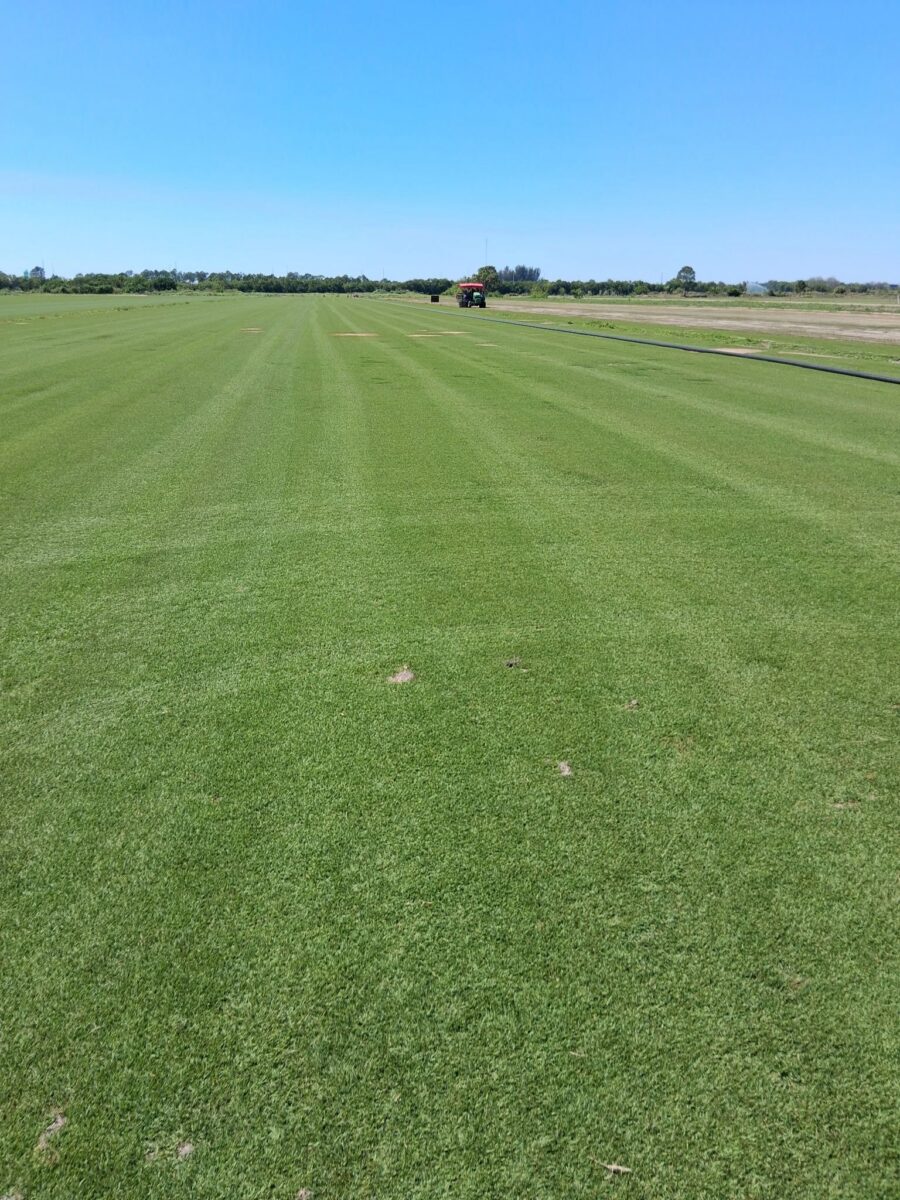
Southwest Florida lawns have to deal with more than heat. In coastal communities, canal neighborhoods, barrier-island areas, and yards close to brackish water, turf can also face salt exposure, sandy soil, wind, heavy summer rain, and irrigation water that is not always ideal. That combination is one reason a lawn can look good for a short time after installation and then thin out, yellow, or develop weak areas a few months later.
If you are replacing a lawn in Bonita Springs, Naples, Cape Coral, Fort Myers, Estero, Sarasota, Bradenton, or another coastal Southwest Florida market, the best sod choice starts with the site conditions. Salt tolerance matters, but it is only one piece of the decision. Drainage, sun, shade, soil preparation, irrigation coverage, foot traffic, and HOA curb appeal all affect whether the new sod establishes cleanly.
Sunshine Sod helps homeowners and contractors plan sod delivery and installation around those details so the lawn has a better chance from day one.
Why coastal yards are harder on new sod
Coastal yards can stress turf in several ways at once. Salt spray from wind, occasional saltwater intrusion, reclaimed or mineral-heavy irrigation water, and sandy soil can all make it harder for grass roots to stay healthy. After summer storms, low areas may also hold water. When wet soil is followed by intense heat, weak sod can decline quickly.
That does not mean coastal homes cannot have strong lawns. It means the grass type and the prep work need to match the property. A canal-front home in Cape Coral may have different needs than a shaded pool yard in Naples or a sunny Bahia replacement in Bonita Springs. Before ordering sod, look at the actual lawn conditions instead of choosing only by price or by what a neighbor installed.
Grass types to consider for salt-exposed Florida lawns
St. Augustine sod
St. Augustine is one of the most common lawn grasses in Florida because it performs well in warm, humid conditions and creates a dense, attractive turf. UF/IFAS notes that St. Augustinegrass is widely used across Florida and has relatively good salt tolerance, with some cultivars offering better shade tolerance than others.
For many Southwest Florida homeowners, St. Augustine sod is a strong fit when the goal is a thick, curb-appeal lawn around the front yard, pool cage, or HOA-facing areas. It can be a practical choice where the yard has a mix of sun and moderate shade, as long as irrigation and drainage are managed correctly.
The caution: St. Augustine still needs proper watering, mowing height, pest monitoring, and soil preparation. If the yard already has chinch bug pressure, compacted soil, or standing water, new sod can struggle unless those issues are addressed first.
Zoysia sod
Zoysia can be attractive for homeowners who want a dense, refined lawn. UF/IFAS describes zoysiagrasses as adaptable to a variety of soil types with good tolerance to shade, salt, and traffic when properly managed. That can make Zoysia worth considering for some coastal properties, especially where the homeowner wants a tighter-textured lawn and is willing to maintain it correctly.
Zoysia is not automatically the best answer for every coastal yard. It can require careful mowing and maintenance, and it may not be the most budget-friendly option for large areas. But for the right site and expectations, it can be a good candidate for Southwest Florida homeowners comparing premium sod options.
Bahia sod
Bahia is often used for larger sunny areas, rural lots, and budget-conscious projects. It is known for handling heat and lower-input conditions better than many homeowners expect. In a coastal setting, Bahia may make sense for open, full-sun areas where the owner wants functional green coverage more than a manicured, high-end turf appearance.
The tradeoff is curb appeal. Bahia generally has a more open look than St. Augustine or Zoysia and can produce seed heads. For highly visible HOA front yards, many homeowners prefer St. Augustine or Zoysia. For larger sunny sections, Bahia may still be the practical choice.
Soil preparation matters as much as salt tolerance
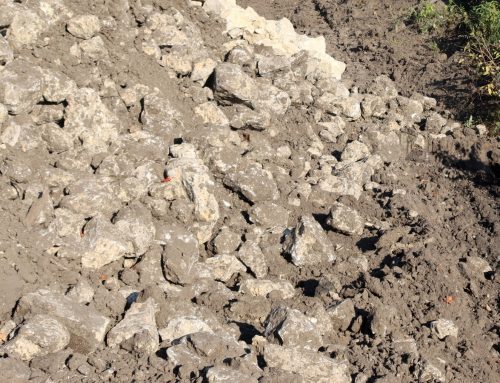
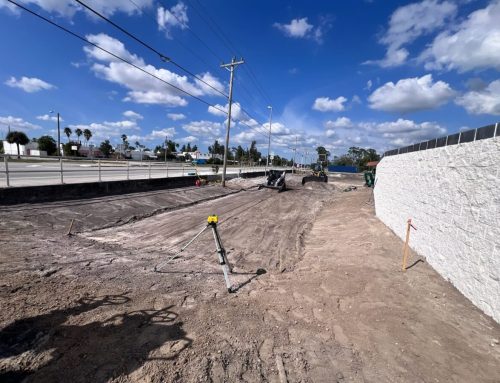
A salt-tolerant grass can still fail if the base is wrong. UF/IFAS emphasizes that proper soil preparation before planting is critical for establishing quality turf and reducing long-term maintenance problems. For Southwest Florida lawns, that usually means removing old turf, weeds, rocks, and construction debris; correcting low spots; and creating a smooth grade before sod is delivered.
On coastal properties, sandy soil may drain quickly in some areas while compacted or low sections hold water after storms. Both problems matter. Dry, hydrophobic sand can keep roots from getting consistent moisture. Low, soggy areas can suffocate roots and invite disease problems. The goal is not just to make the yard flat. The goal is to create a root zone where fresh sod can knit into the soil evenly.
If your lawn has puddles after a normal rain, fix that before installation. If irrigation heads miss corners or spray too much against the driveway, adjust them before the new sod arrives. Sod is perishable, and installation day is not the time to discover that the yard is not ready.
Irrigation checks before coastal sod delivery
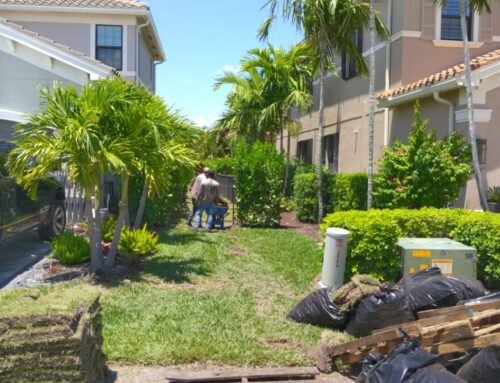
Salt exposure makes consistent irrigation even more important. New sod needs moisture at the root zone while it is establishing, but overwatering can create its own problems. Homeowners should check sprinkler coverage before delivery, not after. Walk the yard and look for dry strips, broken heads, clogged nozzles, overspray onto pavement, and zones that run unevenly.
In the rainy season, irrigation should be adjusted around actual rainfall. A new lawn may still need help during the first establishment period, but it should not sit in saturated soil. After the sod is rooted, watering should transition from frequent light watering to deeper, less frequent irrigation based on local conditions, grass type, and any watering restrictions.
When full replacement beats patching
Patch repair can work when damage is small and the surrounding lawn is healthy. But coastal lawns often decline unevenly because the underlying issues are spread across the whole yard: poor grade, thin soil, pest damage, irrigation gaps, construction disturbance, or salt-stressed turf. In those cases, patching a few squares can leave the lawn looking mismatched and may not fix the real problem.
Full lawn replacement makes more sense when large areas are thin, weeds have taken over, the surface is bumpy, or an HOA notice requires a cleaner curb-appeal fix. It is also worth considering after pool, patio, paver, driveway, septic, or construction work has damaged the grade.
A homeowner checklist before ordering sod
Before scheduling sod delivery or installation, take a few practical steps:
- Identify full-sun, partial-shade, and heavy-shade areas.
- Note any salt exposure from canals, coastal wind, or irrigation water.
- Check for standing water after rain.
- Confirm sprinkler coverage across the entire lawn.
- Remove debris, weeds, and failing turf.
- Decide whether the goal is premium curb appeal, durable coverage, or budget-friendly replacement.
- Measure the area carefully so the order is accurate.
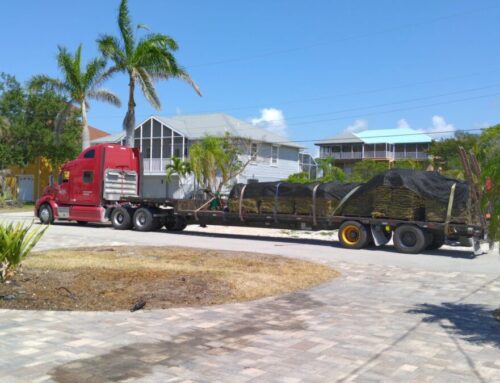
- Plan delivery timing so sod can be installed fresh.
These steps help Sunshine Sod recommend the right grass type and installation approach for the property.
Get help choosing sod for a coastal Southwest Florida lawn
There is no single best sod for every coastal yard. St. Augustine, Zoysia, and Bahia can all make sense in different Southwest Florida situations. The right answer depends on the site, the budget, the desired look, and how the lawn will be maintained after installation.
If your lawn is near the coast, a canal, or a salt-exposed area, Sunshine Sod can help you compare options, plan delivery, and prepare for installation. Whether you are replacing an HOA front yard, repairing a construction-damaged lawn, or improving curb appeal before selling, the best time to solve soil, drainage, and irrigation problems is before the sod goes down.
Contact Sunshine Sod to discuss sod delivery and installation for your Southwest Florida property and get a lawn plan that fits the conditions on the ground.