HOA Lawn Notice in Southwest Florida? When Sod Replacement Is the Smart Fix
If the HOA letter just showed up, the first instinct is usually to buy seed, fertilizer, or a few small plugs and hope the lawn greens up before the next drive-by inspection. In Southwest Florida, that approach often wastes time. Heat, sandy soil, heavy summer rain, irrigation gaps, chinch bug history, and construction damage can leave a lawn too thin or uneven for small fixes to make it look uniform again.
For homeowners in Fort Myers, Cape Coral, Lehigh Acres, Naples, Port Charlotte, Punta Gorda, Bradenton, Sarasota, and nearby communities, a clean sod replacement can be the fastest path back to curb appeal when the existing turf is already past the point of easy recovery. The key is knowing when a repair makes sense, when replacement is smarter, and how to prepare the area so the new grass has the best chance to root evenly.
Why HOA lawn notices are common in Florida neighborhoods
Florida lawns work hard. They deal with intense sun, sudden downpours, fast weed pressure, irrigation restrictions in some communities, and soils that can dry out quickly between rains. A lawn can go from acceptable to patchy in one season if watering coverage is uneven or if old turf has been stressed by pests, shade, vehicles, pets, or drainage problems.
HOA notices usually focus on visible issues: brown patches, bare dirt, weeds, uneven frontage, or a lawn that no longer matches neighborhood standards. Even if the problem started with irrigation or drainage, the violation is usually judged by appearance. That is why homeowners often need a practical lawn-replacement plan, not just a bag of fertilizer.
UF/IFAS turfgrass guidance consistently emphasizes proper establishment, watering, mowing height, and site conditions for Florida lawns. Sunshine Sod uses that same practical lens in the field: choose the right sod for the site, prep the ground correctly, install fresh material promptly, and make sure the homeowner understands early watering.
When patch repair may be enough
Not every HOA notice requires a full tear-out. Smaller repairs can work when the damaged area is isolated and the surrounding turf is still thick, healthy, and consistent. Patch work may be reasonable if:
- The damaged area is small and clearly defined.
- The rest of the lawn has good color and density.
- Irrigation coverage reaches the area evenly.
- The issue was a one-time event, such as a temporary vehicle mark or a small utility repair.
- The existing grass type is known and matching sod is available.
The risk with patching is mismatch. A few new squares of sod can look brighter, cleaner, or slightly different from older turf. In a backyard, that may be fine. In a front yard facing an HOA deadline, mismatched patches can still look unfinished.
Signs sod replacement is the better fix
Full or partial sod replacement becomes the smarter move when the lawn has widespread decline instead of one clean problem spot. Homeowners should consider replacing larger sections when they see:
- Multiple bare or thinning areas across the front yard.
- Weeds filling in where turf used to be.
- Old grass that pulls up easily or has weak roots.
- Rutting, washouts, or low spots that collect water.
- Construction or pool-project damage across a broad area.
- A lawn that has been patched several times but still looks uneven.
- An HOA deadline where appearance matters quickly.
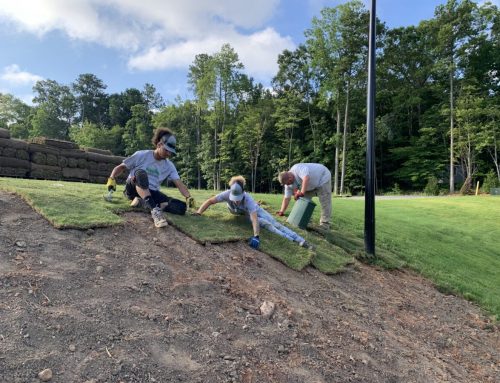
Replacement gives you a reset. Instead of fighting a weak lawn one spot at a time, the old problem turf can be removed, the grade can be cleaned up, and fresh sod can be installed in a way that looks intentional from the street.
Choose the grass around the site, not just the neighborhood
Many Southwest Florida communities use St. Augustinegrass because it gives a broad-bladed, traditional Florida lawn look. Bahia can be a practical option for some larger or lower-input areas. Zoysia and specialty turf types may fit certain properties where expectations, maintenance, and site conditions line up.
The right answer depends on the yard. Sun exposure, shade from palms or oaks, irrigation reliability, foot traffic, salt influence near coastal areas, and HOA appearance standards all matter. A grass that looks great on one side of a subdivision may struggle under a shaded oak canopy or beside a wet swale.
Before ordering sod, look at the actual site. How much direct sun does the front yard get? Does the irrigation hit the corners and parkway strip? Are there low areas that stay wet after storms? Does the HOA require a certain appearance or grass type? Those questions are more useful than simply copying a neighbor.
Do the prep before the pallets arrive
The biggest mistake in urgent HOA lawn projects is rushing to install sod over the same conditions that killed the previous lawn. Fresh sod can improve appearance immediately, but it still needs soil contact, water, and a reasonably smooth base.
Good preparation usually includes removing dead turf and heavy weed growth, cleaning construction debris, loosening or grading compacted areas, and correcting obvious low spots where water sits. If irrigation coverage is poor, it should be checked before installation day. New sod needs consistent moisture during establishment; a dry corner or broken head can show up quickly in Florida heat.
This is also the time to think about drainage. Summer rain can help a new lawn, but standing water can create another problem. A yard that holds water at the driveway, sidewalk, or front entry may need grading attention before sod goes down.
Plan installation around rain and watering
Southwest Florida homeowners often ask whether rainy season is good or bad for sod. The honest answer is that it can be both. Rain can support establishment, but heavy storms can delay prep, soften access areas, or move soil before roots knit in. The best plan is flexible: install when the site is ready, avoid working saturated ground when possible, and water based on actual conditions rather than assuming rain will do the whole job.
After installation, the goal is to keep the sod and upper soil profile consistently moist while roots establish. That does not mean flooding the lawn. It means checking edges, corners, and sunny areas, then adjusting irrigation so the new sod does not dry out. Once rooted, watering should shift toward deeper, less frequent irrigation that fits local rules and turf needs.
How Sunshine Sod helps homeowners solve HOA lawn problems
Sunshine Sod can help Southwest Florida homeowners move from HOA notice to a cleaner, more presentable lawn with sod delivery, installation, and replacement planning. For many customers, the value is not only the grass. It is having someone look at access, square footage, site prep, grass options, timing, and the practical details that make the finished lawn look right from the curb.
If your notice has a deadline, take photos of the front yard, side yard, irrigation problem areas, and any HOA language about lawn condition. That makes it easier to estimate the right amount of sod and decide whether you need a full front-yard replacement, a parkway strip, a side-yard repair, or a larger renovation.
Quick homeowner checklist before requesting a quote
Before you call for sod replacement, gather a few details:
- Your city or community name.
- Photos from the street and close-ups of damaged areas.
- Approximate square footage or rough dimensions.
- Whether the area is full sun, mixed sun, or shade.
- Any irrigation issues you already know about.
- The HOA deadline or reinspection date.
- Preferred timing for delivery or installation.
Those details help Sunshine Sod give better guidance and avoid under-planning the job. A rushed project can still be a smart project if the right questions are answered up front.
Bottom line
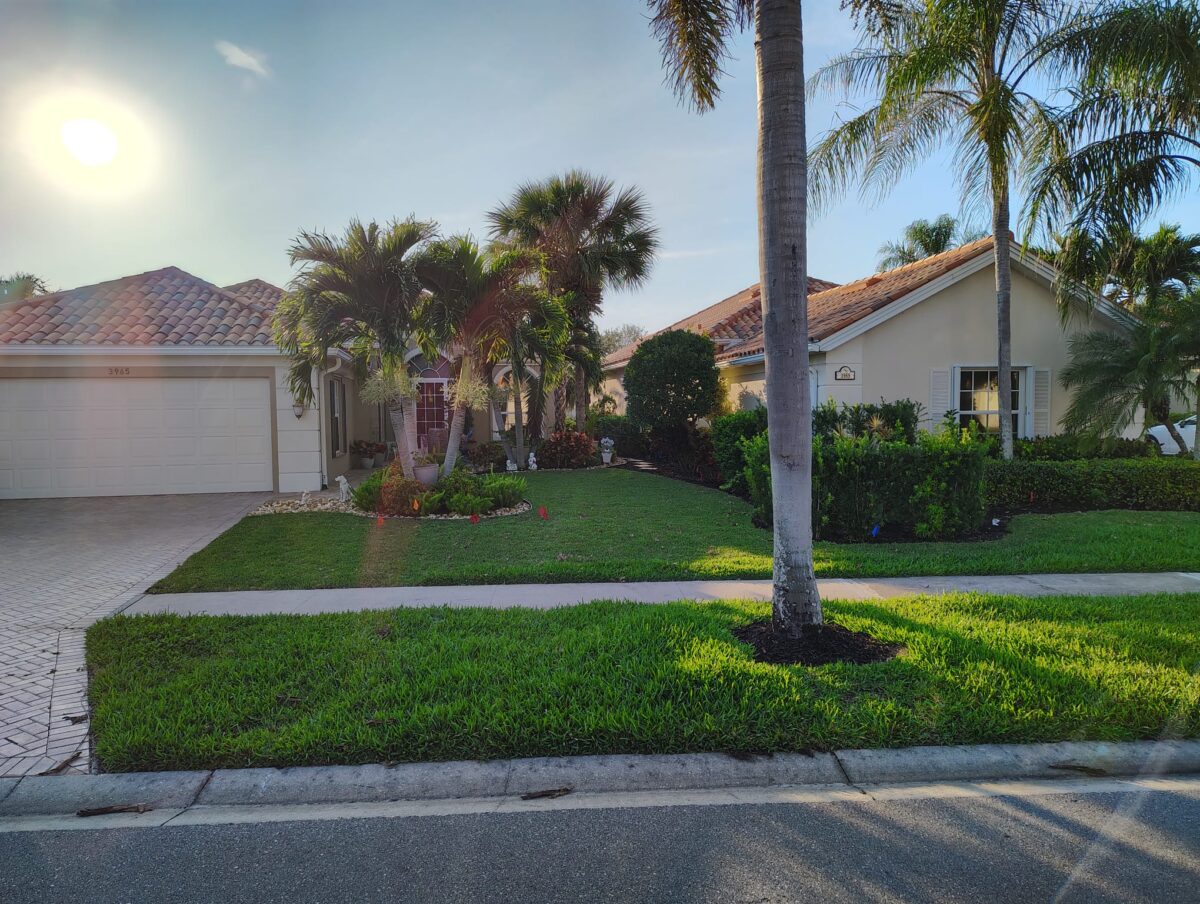
An HOA lawn notice is frustrating, but it can also be the push to fix a lawn that has been struggling for months. If the problem is small and the surrounding turf is strong, a patch may be enough. If the front yard is thin, weedy, uneven, or repeatedly failing, sod replacement is often the cleaner and more dependable way to restore curb appeal.
Sunshine Sod helps homeowners across Southwest Florida with sod delivery, sod installation, and lawn replacement planning. If your lawn needs to look better quickly, contact Sunshine Sod and send a few photos so the team can recommend the right next step for your property.
Related Sunshine Sod Resources
- Residential Sod Installation for replacing an HOA-visible front yard with a cleaner, uniform lawn.
- Florida Lawn Patch Repair when only smaller damaged areas need attention.
- Sod Installation in Florida for full-service planning, prep, and installation.
- Topsoil and Grading Services when low spots, bumpy soil, or drainage problems are part of the HOA issue.
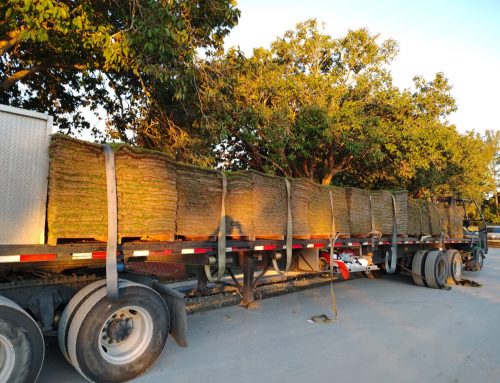
- Fresh Sod Delivery for coordinated material timing before installation day.
- Sod Maintenance Tips for keeping new grass healthy after the notice is resolved.
- Contact Sunshine Sod to plan the fastest practical fix for your property.